Context
Russia’s Burevestnik cruise missile recently attracted global attention after a new study suggested that its nuclear-powered propulsion system may release radioactive material during flight.
About Burevestnik Missile
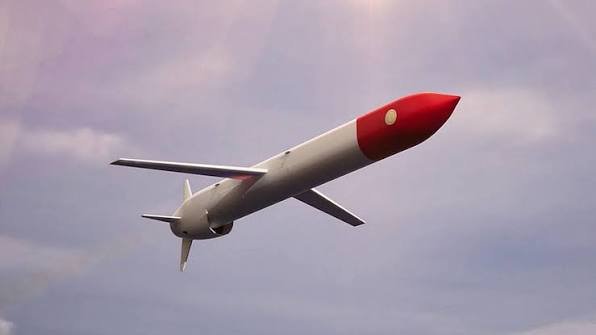
- Burevestnik (meaning “Storm Petrel”) is a ground-launched, nuclear-powered, nuclear-capable cruise missile developed by Russia.
- It is regarded as the world’s first nuclear-powered cruise missile and was unveiled by the Russian President in 2018 as one of six advanced strategic weapon systems.
- The missile is designated SSC-X-9 Skyfall under the NATO reporting system.
- Powered by a compact nuclear reactor, it is designed for long-endurance missions, enabling it to remain airborne for prolonged periods and approach targets from unexpected directions.
- It flies at very low altitudes, making detection by radar and interception by enemy air-defence systems more difficult.
- The combination of nuclear propulsion and a low-altitude flight profile enhances its ability to penetrate advanced air-defence networks.