Context
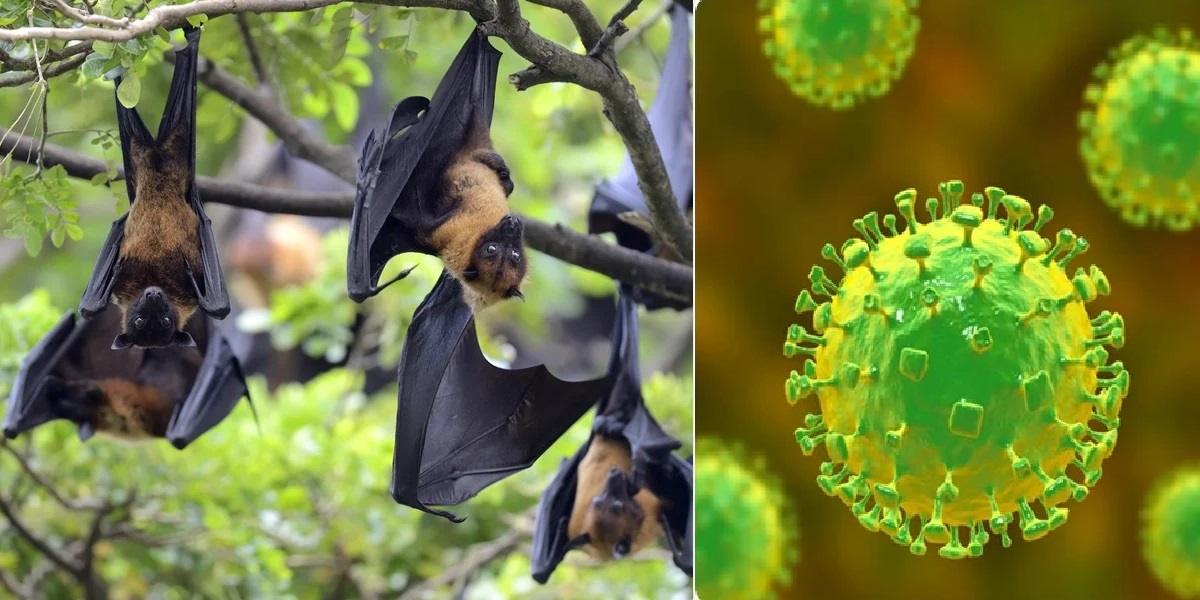
Nipah Virus (NiV) is a zoonotic viral disease with a high case-fatality rate, transmitted primarily from infected fruit bats to humans and, in some cases, through human-to-human transmission.
A recent Nipah Virus case in Kozhikode has once again highlighted Kerala’s vulnerability to this disease. Since the first outbreak in 2018, the state has witnessed multiple spillover events, indicating the continued presence of the virus in its ecological environment.
Factors Contributing to Nipah Outbreaks in Kerala
- Natural Reservoir
- The Indian Flying Fox (Pteropus medius) is the principal natural reservoir of Nipah virus in India.
- Repeated surveillance has detected the virus in bat populations across Kerala, suggesting that the pathogen is established in the local ecosystem.
- Human–Wildlife Interface
- Many bat roosting sites are located close to human settlements.
- Frequent interaction between humans, livestock, and wildlife increases the risk of zoonotic transmission.
- Ecological Factors
Several environmental conditions contribute to recurring spillover events:
- Seasonal abundance of fruit-bearing trees that attract bats.
- Increased bat activity during breeding and foraging periods.
- Habitat fragmentation due to urbanisation and land-use changes.
- Expansion of agricultural and plantation activities near forest areas.
- Western Ghats Factor
- Kerala lies along the Western Ghats, one of the world’s richest biodiversity hotspots.
- Growing settlements and economic activities near forest fringes have intensified human–wildlife interactions, creating favourable conditions for disease emergence.
Kerala’s Zoonotic Disease Profile
The recurrence of Nipah reflects Kerala’s broader vulnerability to zoonotic and vector-borne diseases, including:
- Kyasanur Forest Disease (KFD)
- Leptospirosis
- Scrub Typhus
- Japanese Encephalitis
- West Nile Fever
- Rabies
- Avian Influenza
The World Health Organization (WHO) has identified Nipah, Avian Influenza (H5N1), and KFD as high-priority pathogens requiring continuous surveillance due to their significant public health risks.
Kerala’s Public Health Response
- Lessons from the 2018 Outbreak: The first outbreak exposed gaps in disease surveillance, diagnostics, and infection-control systems, particularly within healthcare settings.
Strengthening Preparedness
Since then, Kerala has undertaken several measures:
- Strengthened diagnostic and laboratory infrastructure, including expansion of the Virus Research and Diagnostic Laboratory (VRDL) network.
- Enhanced surveillance of Acute Encephalitis Syndrome (AES) and severe respiratory illnesses.
- Improved hospital infection-control practices and outbreak-response protocols.
- Built capacity among healthcare professionals for early detection and rapid containment of outbreaks.
These measures have significantly improved the state’s preparedness and response capabilities.
One Health Approach
Kerala has adopted the One Health framework, which promotes an integrated approach to human, animal, and environmental health for preventing and managing zoonotic diseases.
Key Initiatives
- Community-based surveillance through trained volunteers for early detection of unusual disease events.
- Establishment of the One Health Centre for Nipah Research and Resilience in Kozhikode.
- Systematic documentation and research on Nipah outbreaks.
- Collaboration with the National Institute of Virology (NIV) for developing indigenous therapeutic and diagnostic solutions.
Way Forward
- Strengthen integrated surveillance at the human-animal-environment interface.
- Promote habitat conservation and minimise ecological disturbances.
- Enhance community awareness to reduce zoonotic transmission risks.
- Expand research on viral evolution, reservoirs, and outbreak dynamics.
- Institutionalise the One Health framework across public health, veterinary, and environmental sectors.
Conclusion
The recurring Nipah outbreaks in Kerala underscore the growing link between ecological change and emerging infectious diseases. A robust One Health framework, supported by scientific surveillance and community participation, will be essential for building resilience against future zoonotic threats.