Context
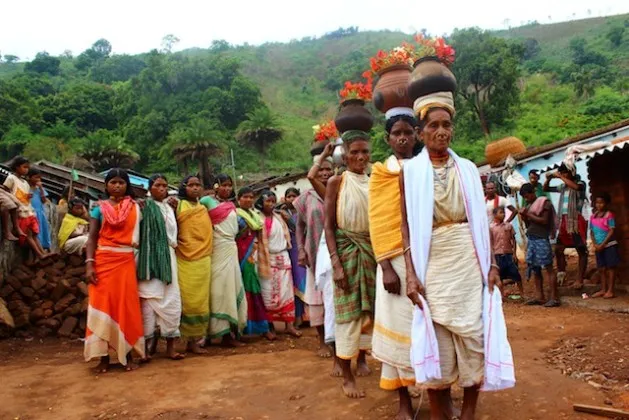
The Dongria Kondh, a Particularly Vulnerable Tribal Group (PVTG) inhabiting the Niyamgiri Hills of Odisha’s Rayagada and Kalahandi districts, have recently drawn attention for their distinctive cultural traditions and forest-dependent way of life.
About Dongria Kondh Tribe
- They call themselves “Jharnia” (protectors of streams), while the term Dongria is derived from dongar, meaning hill.
- The tribe traces its ancestry to Niyam Raja, a revered deity believed to be the creator and guardian of the Niyamgiri Hills.
- Their social organisation is decentralised, with leadership vested in clans and villages rather than a central political or religious authority.
- Religious ceremonies are conducted by Beju (male priest) and Bejuni (female priest).
- They speak Kui and Kuvi, indigenous languages distinct from Odia.
- The community is known for its distinctive jewellery, tattoos, hairstyles, and ornaments.
- Phakeri is a prominent dance form associated with the tribe.
- Their livelihood is based on Non-Timber Forest Products (NTFPs) collection, podu (shifting) cultivation, and horticulture, reflecting their close dependence on forest resources.