Context
Recently, the United Nations Human Settlements Programme (UN-Habitat) released the Catalogue of Solutions 2026–2029, outlining key initiatives and strategies to promote sustainable, inclusive, and resilient urban development across the world.
About United Nations Human Settlements Programme (UN-Habitat)
- UN-Habitat is the specialised agency of the United Nations that works towards sustainable urban development and improved living conditions in cities and towns.
- It was created in 1977 following the first UN Conference on Human Settlements (Habitat I) held in 1976.
- The organisation aims to ensure adequate shelter for all and promote environmentally sustainable and socially inclusive urbanisation.
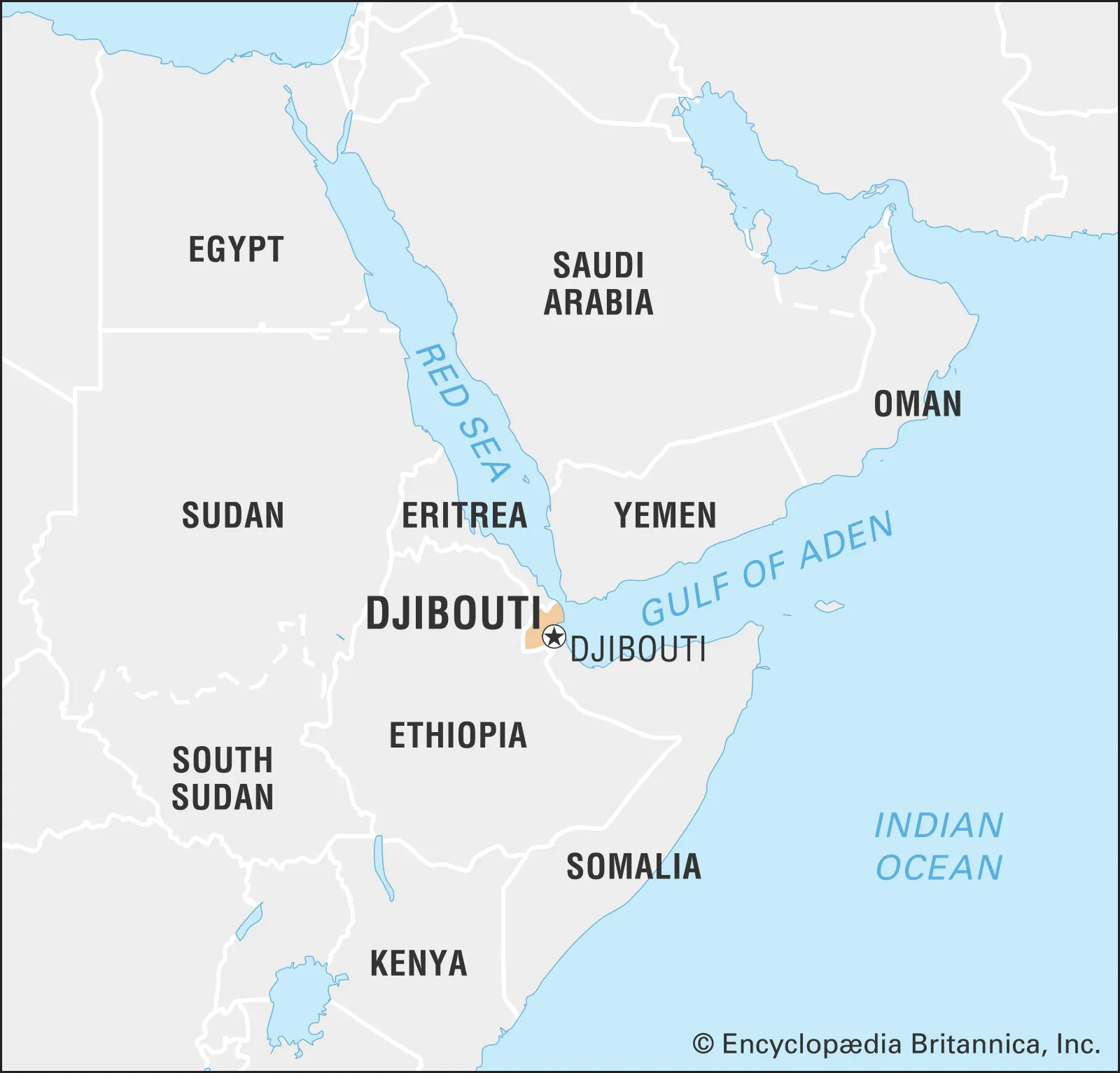
- Its headquarters is located in
- The functioning and responsibilities of UN-Habitat are guided by various resolutions of the UN General Assembly and the Habitat Agenda adopted during the Habitat II Conference in 1996.
Governance Mechanism of United Nations Human Settlements Programme (UN-Habitat)
- The UN-Habitat Assembly serves as the supreme decision-making body of the agency. It includes all 193 member nations of the United Nations and meets every four years in Nairobi to approve strategic plans and set major policy directions.
- Day-to-day supervision of programmes and financial matters is carried out by the Executive Board, which is composed of 36 member states chosen by the Assembly. The Board generally holds three meetings annually.
- The Committee of Permanent Representatives (CPR) acts as a permanent consultative and monitoring body within UN-Habitat.
- The CPR is made up of representatives accredited to the UN Office in Nairobi and provides guidance and oversight between the meetings of the Assembly.