Context
Recently, the Karnataka High Court directed the state government to expand Kappatagudda Wildlife Sanctuary by including previously excluded reserve forest areas for stronger wildlife conservation.
About Kappatagudda Wildlife Sanctuary
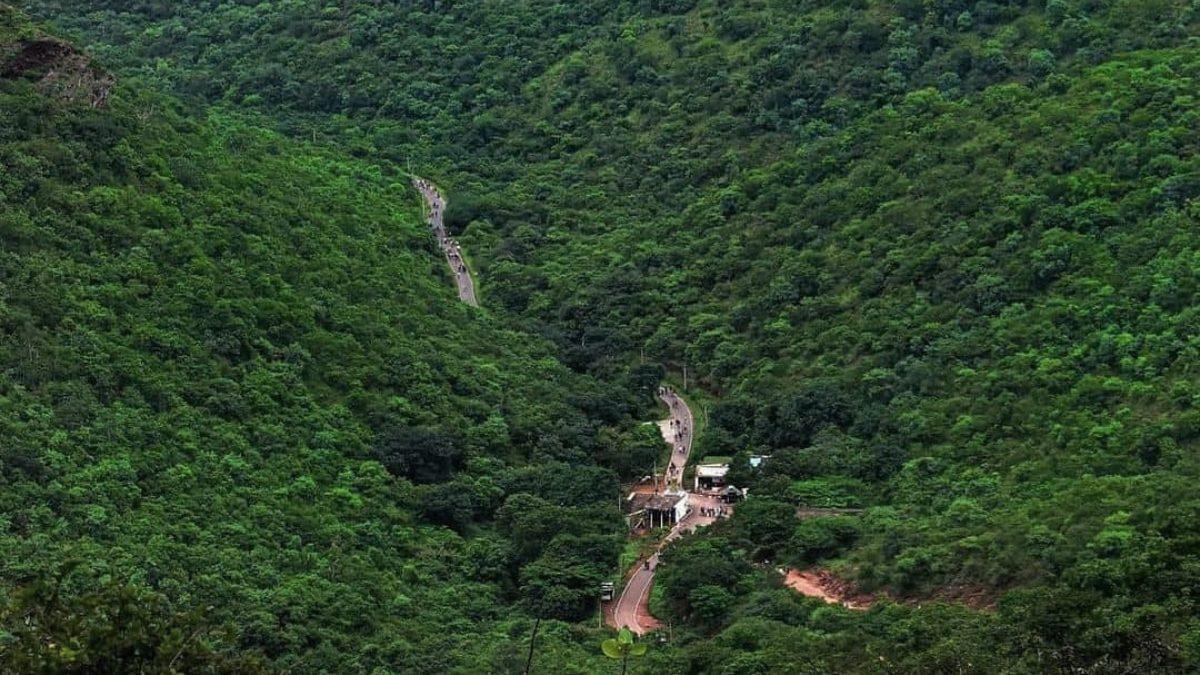
- Location: Gadag District, Karnataka. The sanctuary lies within a hill range ecosystem with dry forest landscapes and the region is often called the “Western Ghats of North Karnataka”.
- Climate and Vegetation: The sanctuary experiences a semi-arid climatic environment. Key climatic features include low rainfall, high temperature variations and dry environmental conditions. Due to these climatic conditions, major vegetation types include dry deciduous forests, grasslands, scrub forests and riverine vegetation in certain areas.
- These ecosystems provide habitats for wildlife adapted to semi-arid and dry environments.
- Ecological Importance: It serves as a major catchment for the Tungabhadra River, helping sustain regional hydrology, water resources, and overall ecosystem stability.
- Biodiversity of the Sanctuary:
- Fauna: Important wildlife species include Leopard, Indian Wolf, Striped Hyena, Fox, Jackal, Four-horned Antelope, Blackbuck, Jungle Cat and Monitor Lizard.
- Flora: The forest region contains around 400 species of medicinal plants, indicating high botanical diversity.
- Historical and Cultural Significance: The region was historically influenced by powerful dynasties such as Chalukya Dynasty and Rashtrakuta Dynasty. Because of this legacy, the hills contain several ancient temples, religious sites, and archaeological remains like Kappatagudda Jain Basadi, Brahma Jinalaya, Trikuteshwara Temple and Dambala Temple.
FAQs
Q1. Where is Kappatagudda Wildlife Sanctuary located?
Kappatagudda Wildlife Sanctuary is situated in Gadag District, Karnataka, within a hill range ecosystem often referred to as the “Western Ghats of North Karnataka.”
Q2. What type of climate and vegetation does the Kappatagudda Wildlife Sanctuary have?
The sanctuary experiences a semi‑arid climate with low rainfall and high temperature variations. Vegetation includes dry deciduous forests, grasslands, scrub forests, and riverine patches, supporting wildlife adapted to dry environments.
Q3. Why is Kappatagudda Wildlife Sanctuary ecologically important?
It serves as a major catchment for the Tungabhadra River, helping sustain regional hydrology, water resources, and overall ecosystem stability in North Karnataka.
Q4. What wildlife species are found in Kappatagudda?
The sanctuary hosts diverse fauna including Leopard, Indian Wolf, Striped Hyena, Fox, Jackal, Four‑horned Antelope, Blackbuck, Jungle Cat, and Monitor Lizard.
Q5. What kind of plant diversity exists in the sanctuary?
Kappatagudda is rich in flora, with around 400 species of medicinal plants, making it a significant hub of botanical diversity in Karnataka.