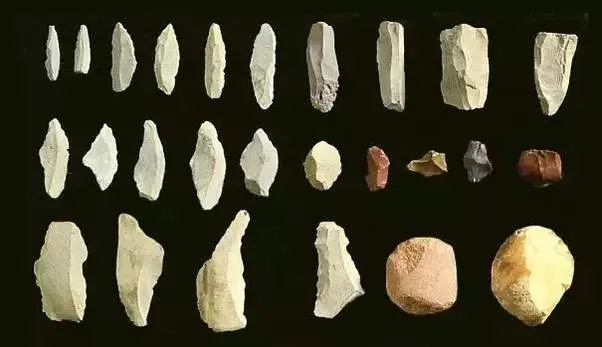
The Palaeolithic Age, or the Old Stone Age, represents the earliest and longest phase of human history in the Indian subcontinent. Derived from the Greek words palaeos (old) and lithos (stone), this era coincides with the Pleistocene geological epoch (the Ice Age). During this time, early human ancestors evolved from nomadic hunter-gatherers using primitive stone choppers to more sophisticated artists and specialized toolmakers.
In the Indian context, while human fossils from this period are rare, the sheer density of stone tool assemblages across the subcontinent provides deep insights into the antiquity of human settlement, which developed contemporaneously with other major Asian civilizations.
Classification of the Palaeolithic Age in India
Historians and archaeologists divide the Palaeolithic era into three distinct cultural phases based on the nature of stone tool technology and the evolution of the human species.
| Phase | Time Period | Human Species | Key Tool Technology |
| Lower Palaeolithic | 5,00,000 – 1,00,000 BC | Homo habilis / Homo erectus | Chopper-chopping, Hand-axes |
| Middle Palaeolithic | 1,00,000 – 40,000 BC | Early Homo sapiens | Flake-based tools (Scrapers) |
| Upper Palaeolithic | 40,000 – 10,000 BC | Homo sapiens sapiens | Blade and Burin industry |
1. Lower Palaeolithic Age: The Era of Hand-Axes
This phase marks the dawn of tool-making by Homo erectus. These early humans were highly nomadic and entirely dependent on hunting and gathering for survival.
Tool Traditions
The Indian Lower Palaeolithic is characterized by two major technological traditions:
- Soanian Tradition: Found primarily in the Soan river valley (now in Pakistan), part of the East Asian chopper-chopping tradition.
- Acheulian Tradition: Characterized by bifacial tools like hand-axes and cleavers. This tradition is widespread across South Asia, Africa, and Western Europe.
Way of Life and Intelligence
Early humans lived in caves (like Bhimbetka) or open river valleys. They were intelligent enough to select specific rocks, using “hammer stones” to flake off edges and create sharp designs. Communication was limited to basic sounds and sign language.
Prominent Sites
- Rajasthan: Singi Talav (Didwana)
- Madhya Pradesh: Bhimbetka and Adamgarh
- Tamil Nadu: Attirampakkam and Gudiyam Caves
- Maharashtra: Chirki-Nevasa
2. Middle Palaeolithic Age: The Flake Tool Industry
As humans evolved, so did their technology. The Middle Palaeolithic is synonymous with the flake tool industry, where tools were made by striking off flakes from a prepared stone core.
Technological Innovations
In India, this culture is often called the Nevasian culture (after the site Nevasa). Tools became smaller and more diverse:
- Scrapers: Used for cleaning animal skins.
- Borers and Awls: Used for making holes in wood or hides.
- Raw Materials: Shifted from quartzite to finer stones like chert, jasper, and chalcedony.
Cultural Shifts
Early Homo sapiens began showing signs of modern behavior, including the systematic burial of the dead with rituals and the development of a more structured language.
Prominent Sites
- Gujarat: Hiran Valley
- Maharashtra: Nevasa
- Pakistan: Potwar Plateau and Sanghao Cave
- Uttar Pradesh: Kalpi
3. Upper Palaeolithic Age: The Birth of Modern Man
This final phase saw the emergence of Homo sapiens sapiens (Modern Man). It occurred during the Late Pleistocene when the climate began to become slightly warmer.
The Blade and Burin Industry
The hallmark of this era is the Blade industry, where long, thin parallel-sided flakes were produced.
- Specialization: Tools were designed for specific tasks like big-game hunting, small-game hunting, and fishing.
- Bone Tools: While rare in India, specialized bone tools have been discovered in the Kurnool caves of Andhra Pradesh.
Art and Aesthetic Expression
This era marks the beginning of human creativity. The first cave paintings appeared; for instance, the green-colored paintings at Bhimbetka are dated to this phase. Humans also began wearing beads and ornaments.
Prominent Sites
- Andhra Pradesh: Kurnool and Muchchatla Chintamanu Gavi
- Madhya Pradesh: Baghor and Bhimbetka
- Bihar: Paisra
- Tripura: Haora and Khowai valleys
FAQs: Understanding the Palaeolithic Age
Q1 What is the literal meaning of the word Palaeolithic?
The word is derived from the Greek palaeos meaning “old” and lithos meaning “stone.”
Q2 Which geological era does the Palaeolithic period belong to?
The Palaeolithic Age corresponds to the Pleistocene geological era, commonly known as the Ice Age.
Q3 Have human fossils been found from the Stone Age in India?
Surprisingly, no human fossils have been found in direct association with Palaeolithic stone tools in India, unlike in Africa.
Q4 What is the difference between Soanian and Acheulian traditions?
Soanian refers to the chopper-chopping tools found in the northwest, while Acheulian refers to the bifacial hand-axe and cleaver tradition found in Central and South India.
Q5 Why is the Middle Palaeolithic called the “Flake Tool Industry”?
It is named so because the primary tools were made from flakes struck off from a stone core, rather than using the core itself.
Q6 Which site provides the best evidence for Upper Palaeolithic cave art in India?
The Bhimbetka rock shelters in Madhya Pradesh are the most famous for their prehistoric paintings.
Q7 What kind of raw materials were used in the Middle Palaeolithic?
Humans began using finer, more durable stones such as chert, jasper, chalcedony, and quartz.
Q8 Are there any sites in South India known for Lower Palaeolithic tools?
Yes, Attirampakkam in Tamil Nadu and Hunsgi in Karnataka are significant Lower Palaeolithic sites.
Q9 When did modern Homo sapiens first emerge in India?
Modern Homo sapiens sapiens emerged during the Upper Palaeolithic phase, approximately 40,000 to 50,000 years ago.
Q10 What was the primary mode of subsistence for Palaeolithic people?
They were purely hunter-gatherers who depended on hunting wild animals and collecting wild roots, nuts, and fruits.