| Important Questions for UPSC Prelims / Mains / Interview
1. How did ancient maritime trade contribute to the early Tamil presence in the Malay Peninsula? 2. What role did South Indian merchant guilds play in shaping cultural exchange in Southeast Asia? 3. How did British colonial plantation policies transform Tamil migration to Malaya? 4. What was the kangani system and how did it affect Tamil labour migration? 5. Why is Tamil considered a public and historical language in Malaysia today? 6. How did Tamil communities preserve language and culture under colonial conditions? 7. What demographic trends shaped the Indian diaspora in Malaysia after independence? 8. How does the Tamil diaspora strengthen India–Malaysia bilateral relations? 9. Why is Malaysia’s Tamil community considered distinct from newer global diasporas? |
Context
During his first foreign visit of 2026 to Malaysia, Prime Minister Narendra Modi highlighted Tamil’s deep-rooted presence in the country. He emphasised that Tamil is not merely a diaspora language but a public and historical language in Malaysia, spoken in schools, temples, media, and everyday life.
Today, nearly three million people of Indian origin—predominantly Tamil—live in Malaysia, making it one of Southeast Asia’s most established Indian diasporas.
Q1. How did ancient maritime trade contribute to the early Tamil presence in the Malay Peninsula?
- Long before European colonial rule, maritime trade routes connected India’s Coromandel Coast with ports such as Kedah and the Strait of Malacca.
- Tamil traders regularly sailed across the Bay of Bengal, exchanging spices, textiles, forest goods, and precious commodities.
- Trade routes were stable and sustained, not occasional voyages.
- Merchant groups formed semi-permanent settlements in port cities.
- Tamil inscriptions found in Southeast Asia confirm early settlement.
- Temples were built to serve resident trading communities.
- Religious and cultural practices travelled alongside commerce.
- These early connections laid the foundation for a long-term Tamil presence in the region.
Q2. What role did South Indian merchant guilds play in shaping cultural exchange in Southeast Asia?
- South Indian merchant guilds such as the Ayyavole and Manigramam operated across maritime Southeast Asia.
- These guilds organised trade networks and maintained commercial discipline.
- They established temples and community institutions in port settlements.
- Cultural exchange accompanied economic exchange.
- Hindu and Buddhist traditions travelled through merchant networks.
- Tamil Muslim traders like Rowthers and Marakkayars settled permanently and intermarried locally.
- Place names and rituals in Malaysia reflect these early influences.
- Merchant activity embedded Tamil culture deeply into the Malay world.
Q3. How did British colonial plantation policies transform Tamil migration to Malaya?
- British rule expanded rubber plantations, railways, tin mining, and port infrastructure.
- These industries required a large, disciplined labour force.
- The British recruited workers from the Madras Presidency.
- Migration shifted from trade-based settlement to mass labour movement.
- By the early 20th century, hundreds of thousands of Tamils had arrived.
- Estate life was marked by low wages and restricted mobility.
- Labour migration reshaped the demographic composition of Malaya.
- Plantation capitalism created a permanent Tamil working-class community.
Q4. What was the kangani system and how did it affect Tamil labour migration?
- The kangani system was a labour recruitment mechanism used by the British.
- A senior worker (kangani) recruited labourers from his native village.
- Workers were often tied to plantation contracts.
- Migration was organised in bonded groups.
- Living conditions on estates were harsh and crowded.
- Mobility was limited and wages remained low.
- Despite criticism, the system facilitated sustained migration.
- Over time, entire families settled permanently in Malaya.
Q5. Why is Tamil considered a public and historical language in Malaysia today?
- Tamil schools operate within Malaysia’s national education framework.
- Tamil newspapers circulate widely across the country.
- Tamil-language television and radio channels broadcast regularly.
- Temples function as major cultural and social hubs.
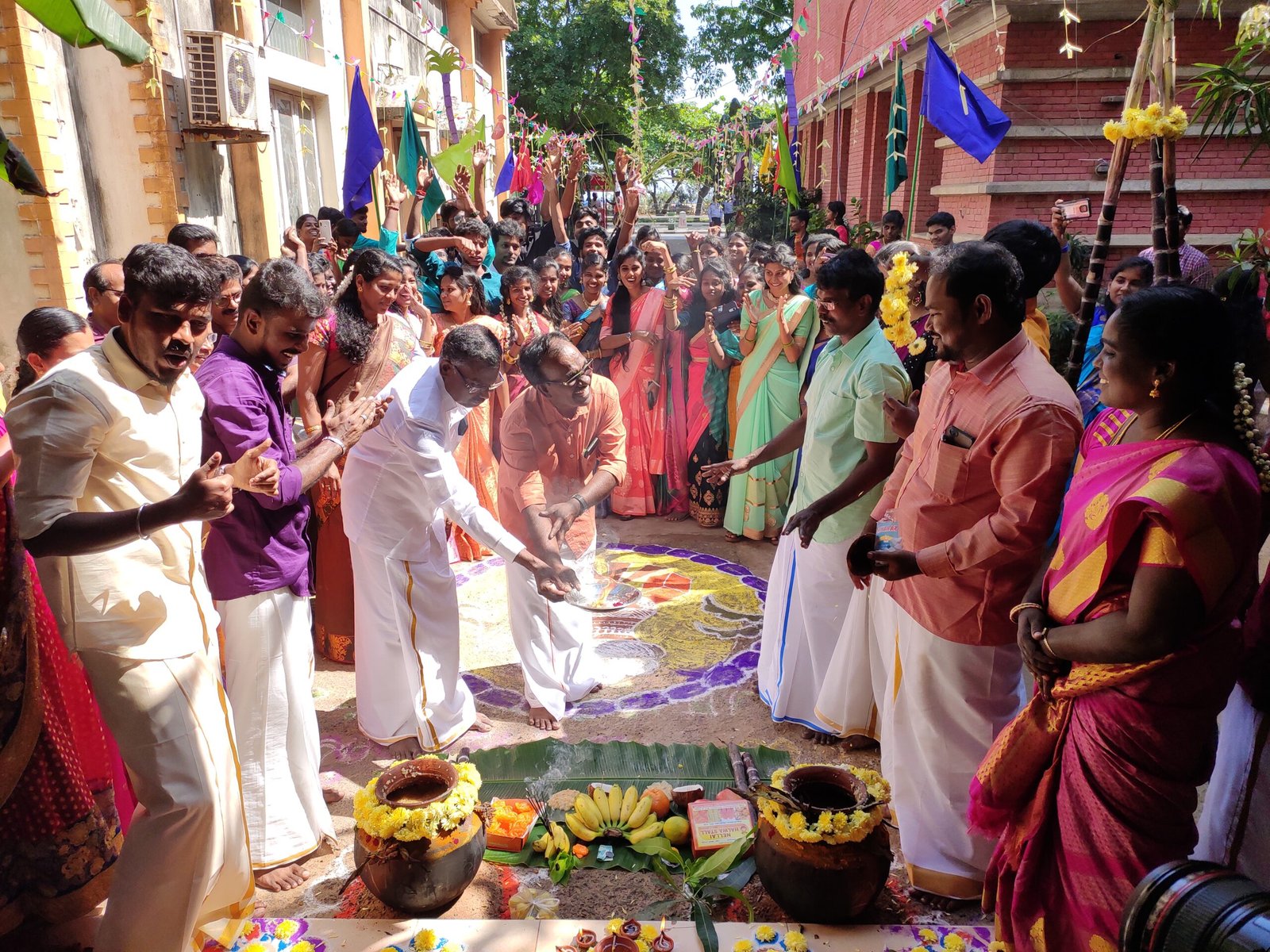
- Festivals such as Thaipusam are nationally recognised events.
- Tamil is visible in public signage and urban life.
- The language predates both colonial rule and the Malaysian nation-state.
- It remains a living and institutionalised language rather than a private migrant dialect.
Q6. How did Tamil communities preserve language and culture under colonial conditions?
- Estate temples became centres of cultural continuity.
- Tamil-medium schools were established in plantation areas.
- Local Tamil newspapers promoted literacy and awareness.
- Religious rituals reinforced identity and social cohesion.
- Cinema and theatre strengthened linguistic unity.
- Festivals created shared community spaces.
- Language served as the spine of cultural survival.
- Education gradually enabled social mobility beyond plantations.
Q7. What demographic trends shaped the Indian diaspora in Malaysia after independence?
- Between 1860 and 1957, about 4 million Indians entered Malaya.
- Around 2.8 million eventually returned, leaving a net settlement of roughly 1.2 million.
- By independence in 1957, Indians numbered over 850,000.
- A majority were locally born at that time.
- Post-independence urban migration increased.
- Education facilitated entry into professional sectors.
- Community institutions expanded in cities like Kuala Lumpur and Penang.
- Tamil identity evolved from plantation labour roots to urban citizenship.
Q8. How does the Tamil diaspora strengthen India–Malaysia bilateral relations?
- The diaspora acts as a cultural bridge between the two countries.
- Shared linguistic heritage strengthens emotional ties.
- Social security and visa facilitation agreements deepen cooperation.
- Cultural diplomacy reinforces strategic engagement.
- Trade and investment relations benefit from community networks.
- India’s Indo-Pacific outreach includes strong Southeast Asian partnerships.
- Historical continuity enhances bilateral trust.
- The diaspora symbolises civilisational links beyond modern diplomacy.
Q9. Why is Malaysia’s Tamil community considered distinct from newer global diasporas?
- Many Tamil families have lived in Malaysia for five or six generations.
- Their identity is rooted in Malaysian soil rather than temporary migration.
- Festivals and political participation are locally embedded.
- Tamil is inherited, not recently imported.
- Community institutions were built over centuries.
- The migration story predates colonial reorganisation.
- Cultural continuity survived empire and nationhood.
- It is a historical diaspora shaped by trade, labour, and settlement rather than short-term economic migration.
Conclusion
The Tamil–Malaysia connection began with ancient maritime trade, expanded through colonial labour migration, and matured through independent nationhood. Tamil in Malaysia is not merely a diaspora memory but a public and living language shaped by centuries of resilience, faith, and adaptation.
This long civilisational bond continues to anchor India–Malaysia relations, demonstrating how language and history can sustain diplomacy beyond strategy.