Context
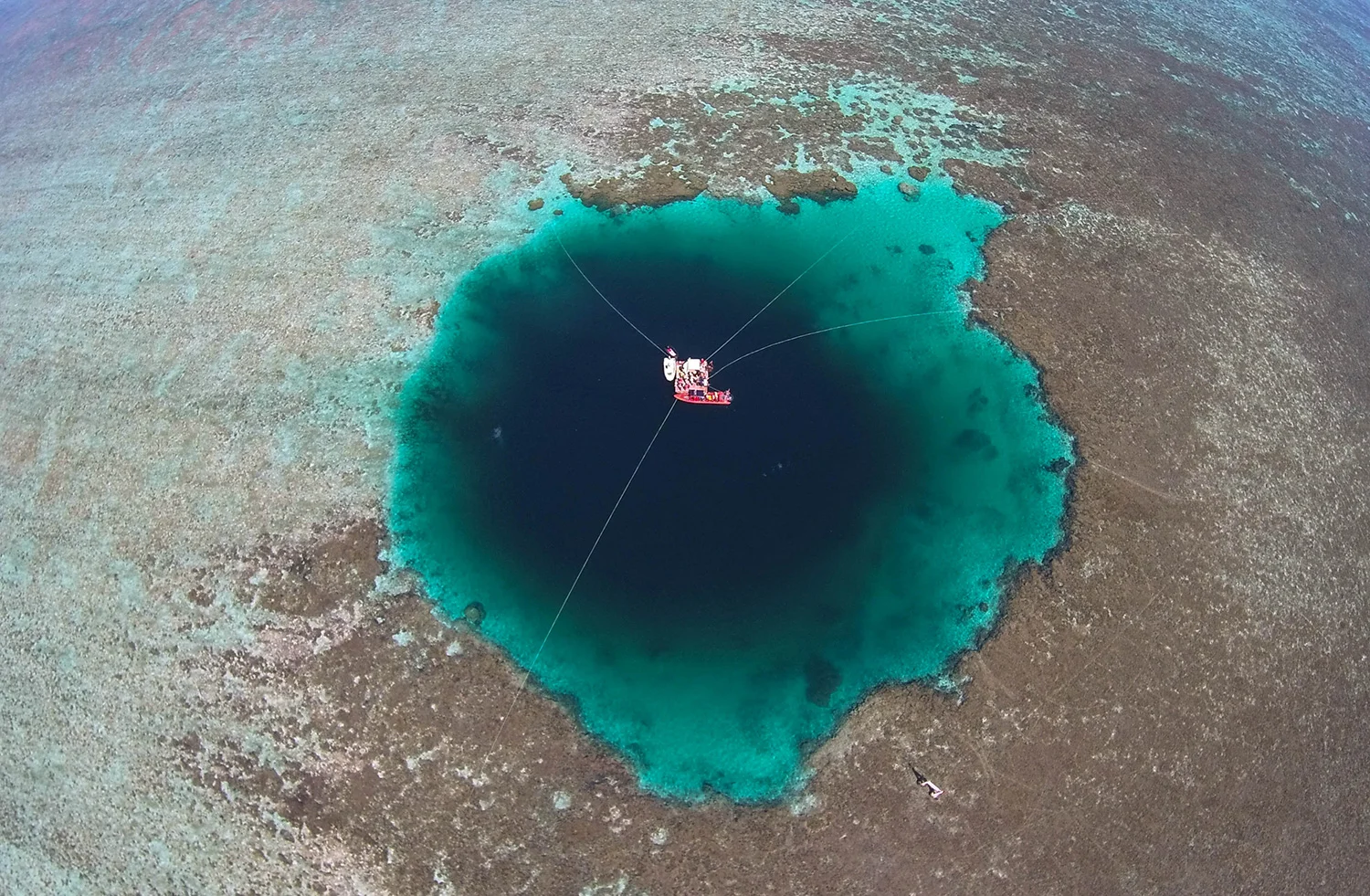
The Sansha Yongle Blue Hole, popularly known as the Dragon Hole, is a massive marine sinkhole located in the South China Sea. Known to local fishermen as the “eye” of the South China Sea, it has been a subject of intense scientific study for over a decade.
Geographic Profile
- Location: Situated in the South China Sea, approximately 25 kilometers from the Discovery Reef.
- Global Standing: It is the deepest known underwater sinkhole in the world. Depth:19 meters (surpassing Dean’s Blue Hole in the Bahamas by nearly 100 meters).
Formation and Ecosystem
- Formation: Blue holes are steep-sided underwater cavities typically formed in limestone landscapes that became flooded as sea levels rose.
- Vertical Structure: The hole is almost vertical, creating a unique, isolated environment.
Water Zones and Biodiversity:
- Upper Section: Contains ample oxygen and nutrients, supporting a unique ecosystem where at least 20 ocean species
- Lower Section: Characterized by stagnant and anoxic (oxygen-depleted) water. There is virtually no water flow or exchange with the rest of the ocean at the bottom.
- Habitability: While the lower part is unfavorable for most marine life due to the lack of circulation, it supports large colonies of bacteria.