Context
Following confirmed Shigella infections in Kerala’s Kozhikode and Malappuram districts, health authorities have intensified surveillance and preventive measures to contain further transmission. In November 2026, Malappuram authorities reported approximately 75 laboratory-confirmed cases during the year, prompting greater attention to outbreak control.
About Shigellosis
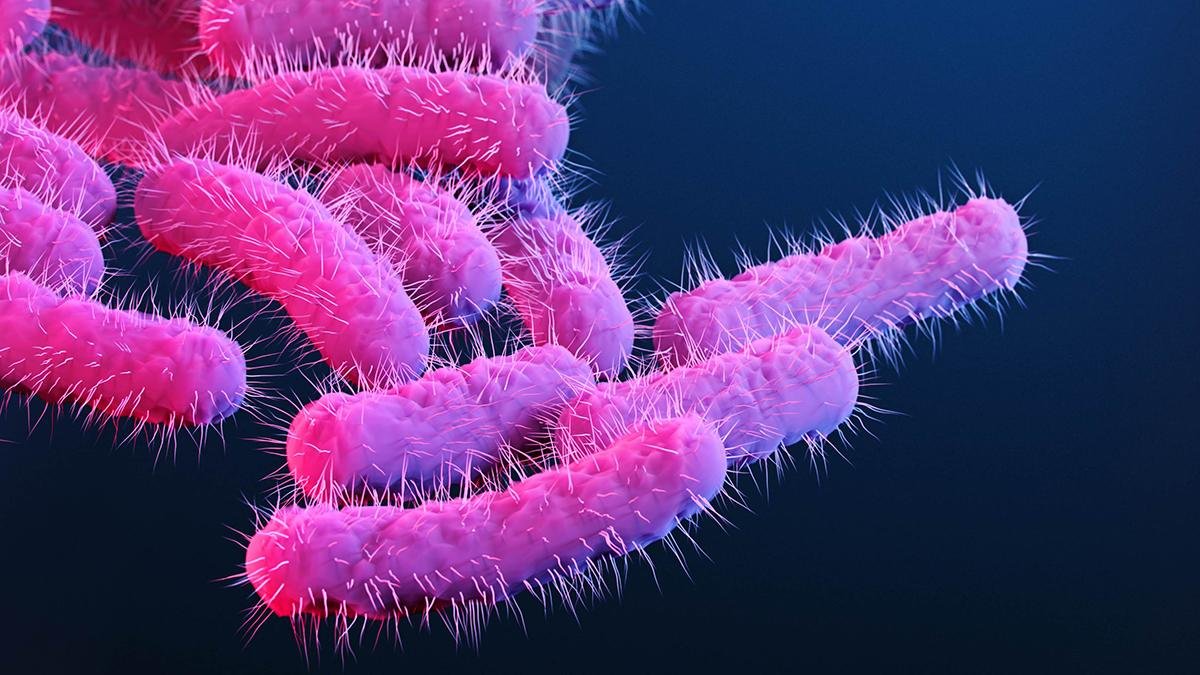
- Definition: Shigellosis is a highly contagious bacterial intestinal infection caused by Shigella bacteria, commonly resulting in diarrhoea and sometimes bacillary dysentery.
- Causative organism: Four Shigella species cause the disease—S. dysenteriae, S. flexneri, S. boydii and S. sonnei—which vary in geographical distribution and disease severity.
- Human reservoir: Humans are the only known natural reservoir of Shigella, making infected individuals the principal source of transmission.
- Vulnerable groups: Children below five years face a high disease burden, while older adults, malnourished individuals and immunocompromised persons are more susceptible to severe illness.
Transmission of Shigellosis
- Faecal–oral transmission: Infection occurs when bacteria from infected faeces enter the mouth through contaminated hands, food, water or surfaces.
- Person-to-person spread: Close contact with infected individuals, including sexual activities involving faecal exposure, can transmit the bacteria.
- High infectivity: Ingestion of as few as 10–100 bacteria may cause infection, allowing rapid transmission even after limited exposure.
- Environmental factors: Poor sanitation, unsafe drinking water and crowded living conditions increase contamination risks, facilitating community outbreaks.
Symptoms of Shigellosis
- Incubation period: Symptoms generally appear 1–2 days after infection and commonly last 5–7 days, although illness may persist longer.
- Intestinal symptoms: Diarrhoea may be watery or bloody, sometimes containing mucus, due to inflammation of the intestinal lining.
- Associated symptoms: Fever, abdominal cramps, nausea and tenesmus (a persistent urge to pass stool) are common clinical features.
- Disease severity: Severe infections may cause bacillary dysentery and other complications, particularly among young children and immunocompromised individuals.
- Asymptomatic infection: Some infected individuals show no symptoms but may still shed bacteria, contributing to unnoticed transmission.
Treatment of Shigellosis
- Supportive care: Most mild infections resolve within 5–7 days without antibiotics; adequate fluids and oral rehydration solution (ORS) help prevent dehydration.
- Antibiotic treatment: Severe or selected high-risk cases may require antibiotics, with drug selection guided by susceptibility testing where available.
- Antimicrobial resistance: Increasing resistance to commonly used antibiotics can complicate treatment, making laboratory testing important for selecting effective medicines.
- Medical precautions: Gut-slowing medicines such as loperamide should be avoided, particularly in bloody diarrhoea, as they may worsen the illness.
Prevention and Control
- Personal hygiene: Washing hands with soap after toilet use and before handling food helps interrupt faecal–oral transmission.
- Safe food and water: Safe drinking water, proper food handling and adequate sanitation reduce contamination and prevent infection.
- Outbreak surveillance: Laboratory confirmation, case tracking and investigation of contaminated food or water sources help identify transmission pathways and contain outbreaks.
- Infection control: Infected individuals should avoid preparing food for others while ill, reducing the risk of secondary infections.
FAQs
Q1. What causes Shigellosis?
It is caused by bacteria belonging to the genus Shigella.
Q2. How is Shigellosis primarily transmitted?
Through the faecal–oral route, including contaminated food, water, hands and close contact.
Q3. Which population is particularly vulnerable?
Children below five years of age.
Q4. What is bacillary dysentery?
An intestinal infection causing diarrhoea with visible blood, often accompanied by abdominal cramps and fever.
Q5. How is Shigellosis treated?
Most mild cases require rehydration and supportive care, while severe or selected high-risk infections may need antibiotics.