Context
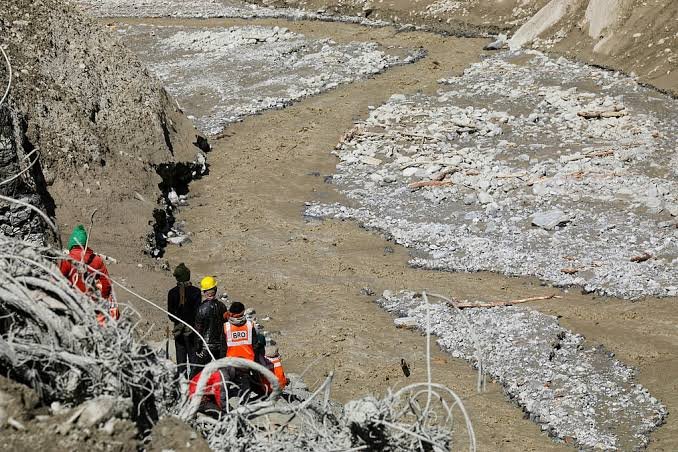
The National Green Tribunal (NGT) has directed the District Magistrate of Almora, Uttarakhand, to submit a report on the remedial and punitive measures taken to address improper waste disposal along the Saryu River at Sera Ghat, highlighting concerns over river pollution and environmental conservation.
About Saryu River
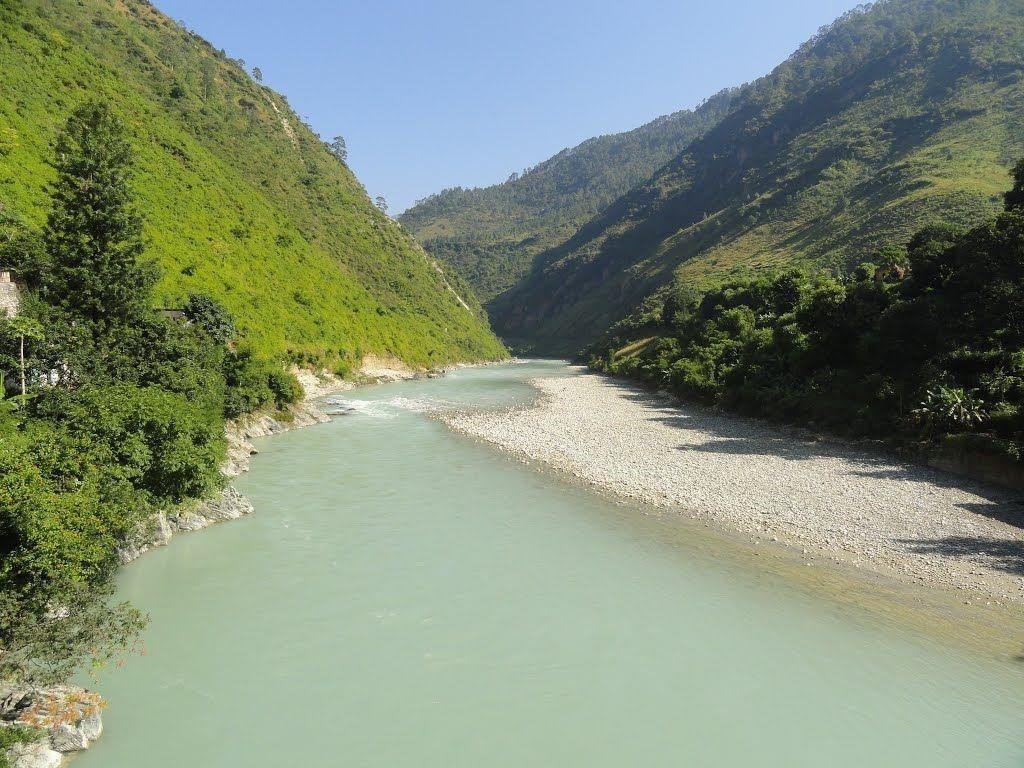
- The Saryu (also known as Sarayu or Sarju) is a Himalayan river that flows through Uttarakhand and Uttar Pradesh.
- It originates at Sarmul (Sarmool) in Bageshwar district, Uttarakhand, on the southern slopes of the Nanda Kot
- It flows through the Kumaon Himalayas and joins the Sharada (Kali) River at Pancheshwar along the India–Nepal border.
- The Sharada River subsequently joins the Ghaghara River in Sitapur district, Uttar Pradesh. The lower course of the Ghaghara is popularly known as the Saryu, particularly along its stretch through Ayodhya.
- The river is approximately 350–400 km
- It is mentioned in ancient Indian texts such as the Vedas and the Ramayana, reflecting its historical, cultural, and religious significance.
- Ayodhya, traditionally regarded as the birthplace of Lord Rama, is situated on the banks of the Saryu, making the river one of the most revered in Hindu tradition.