Context
- A 2026 study in Nature Metabolism found that protein patterns detectable in children may help predict future risk of cardiovascular-kidney-metabolic disease (CKMD).
- The study suggests that biological risk may become visible at the molecular level before conventional clinical disease appears.
- This opens the possibility of precision prevention, where interventions are targeted earlier in life according to individual risk.
What Is a Proteome?
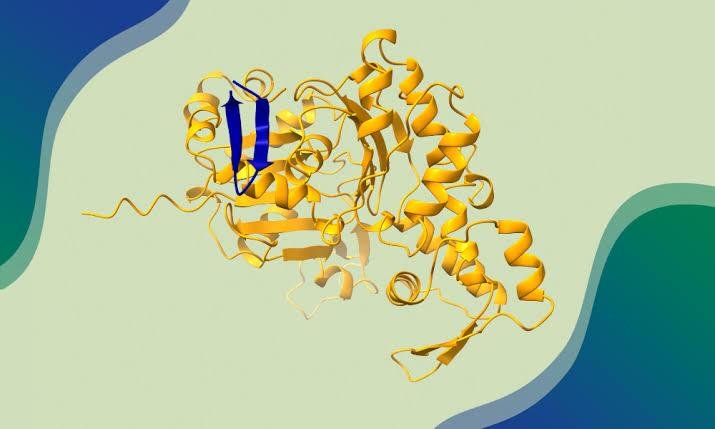
- A proteome is the complete set of proteins expressed by a cell, tissue, organ or organism at a particular time.
- Unlike the genome, the proteome is dynamic and changes with:
- cell type;
- age;
- environment;
- physiological state;
- disease.
Thus:
Genome = genetic blueprint
Proteome = proteins actually being expressed and functioning
Why Is the Proteome More Complex Than the Genome?
The number of protein forms can greatly exceed the number of genes because:
- Alternative splicing: One gene can generate multiple RNA transcripts and therefore different proteins.
- Post-translational modifications: Proteins may be chemically modified after synthesis through processes such as phosphorylation or glycosylation.
- Cell-specific expression: Different tissues activate different sets of genes depending on their function.
Therefore: One genome → Multiple expression patterns → Large protein diversity
What Is Proteomics?
Proteomics is the large-scale study of proteins.
It examines:
- which proteins are present;
- how abundant they are;
- where they are located;
- how they are modified;
- how they interact with other proteins.
Common techniques include mass spectrometry and high-throughput protein-analysis platforms.
What Did the New Study Find?
Researchers analyzed thousands of circulating proteins in children and compared them with CKMD-related traits such as:
- Obesity and body composition;
- Insulin resistance;
- Blood pressure;
- Liver function;
- Kidney function;
- Lipid metabolism.
They identified protein signatures associated with these risk traits and found that similar patterns were also linked with later cardiovascular, metabolic and kidney outcomes in adults.
The findings therefore suggest that some adult disease risks may have a detectable molecular footprint in childhood.
Why Does the Study Matter?
- Earlier risk recognition: Protein signatures may identify biological vulnerability before overt disease develops.
- Life-course perspective: The findings strengthen the view that adult chronic diseases can begin developing biologically much earlier in life.
- Targeted prevention: High-risk children could potentially benefit from more personalized lifestyle or medical interventions.
- Modifiable biology: Some risk-associated protein pathways may respond to treatment, suggesting that early biological risk may not be irreversible.
Thus:
Early molecular signal → Risk stratification → Timely intervention → Lower future disease burden
Clinical Uses of Proteomics
- Biomarker discovery: Identifies proteins that indicate disease presence, progression or future risk.
- Disease-pathway mapping: Reveals which biological pathways are disturbed.
- Drug-target discovery: Disease-related proteins can become candidates for new therapies.
- Treatment monitoring: Changes in protein levels can help assess whether therapy is affecting the underlying biology.
Proteomics therefore helps connect:
Molecular change → Disease mechanism → Clinical decision
Key Limitations
- Prediction is not certainty: A protein signature indicates increased risk, not inevitable disease.
- Population diversity: Findings must be validated across different ethnic and geographic populations.
- Dynamic biology: Protein levels can change with age, diet, infection, medication and other factors.
- Clinical feasibility: Large-scale proteomic testing remains costly and requires validated thresholds before routine use.
Relevance for India
India’s rising burden of diabetes, obesity, cardiovascular disease and chronic kidney disease makes early-life prevention increasingly important.
Proteomic research can support India through:
- Population-specific biomarkers: Indian cohorts are needed to identify locally relevant risk signatures.
- Early NCD prevention: Molecular risk assessment could eventually complement conventional screening.
- Research capacity: Greater investment in proteomics can strengthen precision-medicine and biomedical research.
- Affordable translation: Any future screening strategy must be cost-effective before large-scale public-health adoption.
For India, the key challenge is:
Advanced molecular science → Population validation → Affordable public-health application
FAQs
Q1. What is a proteome?
It is the complete set of proteins expressed by a cell, tissue or organism at a particular time.
Q2. Is the proteome constant?
No. It changes with cell type, age, environment, physiological state and disease.
Q3. Why can there be more protein forms than genes?
Because alternative splicing and post-translational modifications can produce multiple protein variants from a single gene.
Q4. What is proteomics?
It is the large-scale study of proteins, including their abundance, modification, location and interactions.
Q5. Why is the new CKMD study important?
It suggests that childhood protein signatures may reveal future disease risk before clinical symptoms appear, creating scope for earlier prevention.