Context
- Union Minister Dr. Jitendra Singh recently launched the commercial use of bio-based biodegradable plastic based on Polylactic Acid (PLA), strengthening India’s push towards sustainable biomanufacturing and alternatives to fossil-based plastics.
PLA: Nature and Production
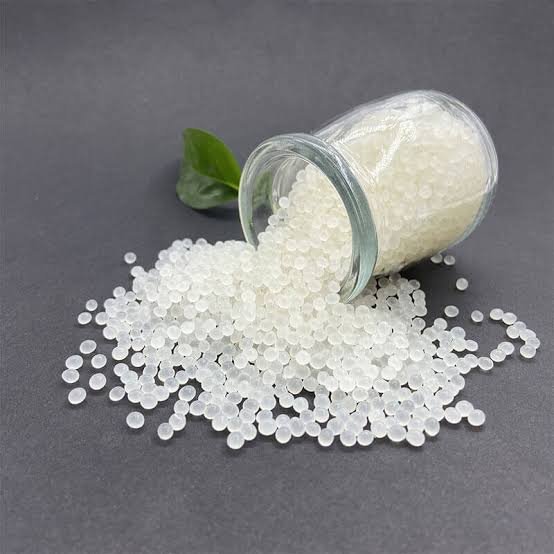
- Polylactic Acid (PLA) is a thermoplastic biopolymer derived from renewable feedstocks such as corn starch, sugarcane and other carbohydrate-rich biomass.
- It is produced by converting sugars into lactic acid through fermentation, followed by polymerisation to form PLA.
- Unlike conventional plastics that largely depend on fossil fuels, PLA uses renewable biological carbon sources.
- PLA can be biodegradable or compostable under suitable controlled conditions, depending on temperature, moisture and microbial activity.
- Its important properties include processability, biocompatibility and versatility.
Applications of PLA
- Packaging: Used in food containers, films, cups and other disposable packaging products.
- Biomedical uses: Applied in medical sutures and selected biomedical products because of its biocompatibility.
- 3D printing: Widely used as a 3D-printing filament due to its ease of processing.
- Consumer products: Can replace conventional plastics in selected bio-based and disposable products.
Commercialization under BioE3
- PLA production is being promoted under the BioE3 framework — Biotechnology for Economy, Environment and Employment to strengthen India’s bio-based manufacturing ecosystem.
- Integration with sugar mills and agro-industrial units can convert renewable feedstocks into higher-value materials while improving resource efficiency.
- Wider commercial adoption will depend on cost competitiveness, processing capacity and adequate composting infrastructure.
FAQs
Q1. What is Polylactic Acid (PLA)?
PLA is a bio-based thermoplastic polymer produced from renewable feedstocks such as corn starch and sugarcane.
Q2. How is PLA produced?
Sugars are fermented into lactic acid, which is then polymerised to form PLA.
Q3. What are the major applications of PLA?
PLA is used in packaging, biomedical products and 3D printing.
Q4. Under which framework is India promoting PLA commercialisation?
It is being promoted under the BioE3 framework.
Q5. Why is PLA considered a sustainable alternative to conventional plastic?
It uses renewable biological feedstocks and can reduce dependence on fossil-based plastics.