Context
The Uttar Pradesh Government has extended the Pilibhit Tiger Reserve (PTR) tourism season to 1 November–30 June, allowing visitors for nearly eight months. The extension is accompanied by improvements in safari routes and tourist facilities.
About Pilibhit Tiger Reserve
- Location: Located in the Terai region of Uttar Pradesh along the India–Nepal border, PTR is part of the Terai Arc Landscape.
- Status & Area: Declared a Tiger Reserve in 2014, it covers 730.25 sq km, including 602.79 sq km core and 127.45 sq km buffer.
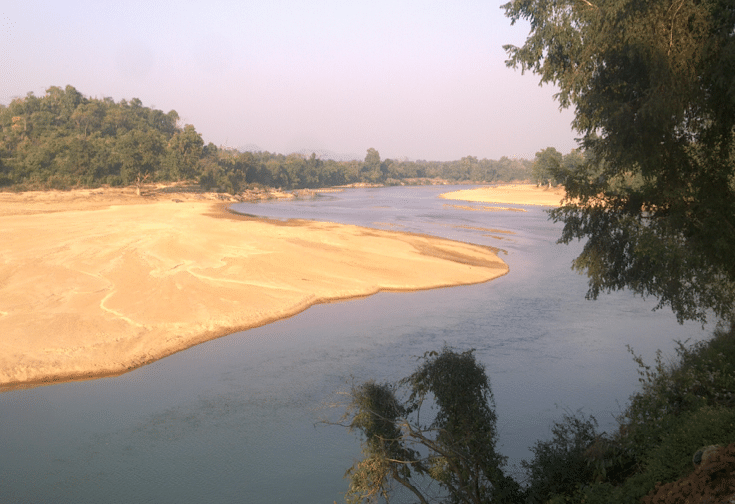
- Rivers: The Gomti River originates here, while the reserve forms the catchment of the Sharda, Chuka and Mala-Khannot rivers.
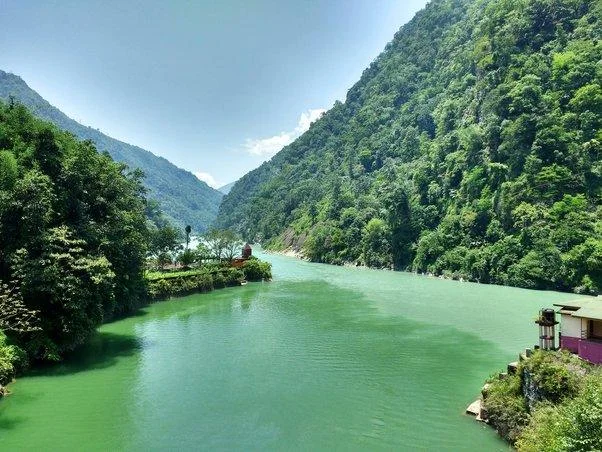
- Sharda Sagar Dam: The 22-km-long Sharda Sagar Dam lies along the reserve’s boundary.
Ecosystem and Biodiversity
- Forest Ecosystem: PTR has sal-dominated forests, alluvial grasslands, swamps and riverine habitats, with Tropical Moist Deciduous, Tropical Dry Deciduous, Seasonal Swamp and Tropical Semi-evergreen forest types.
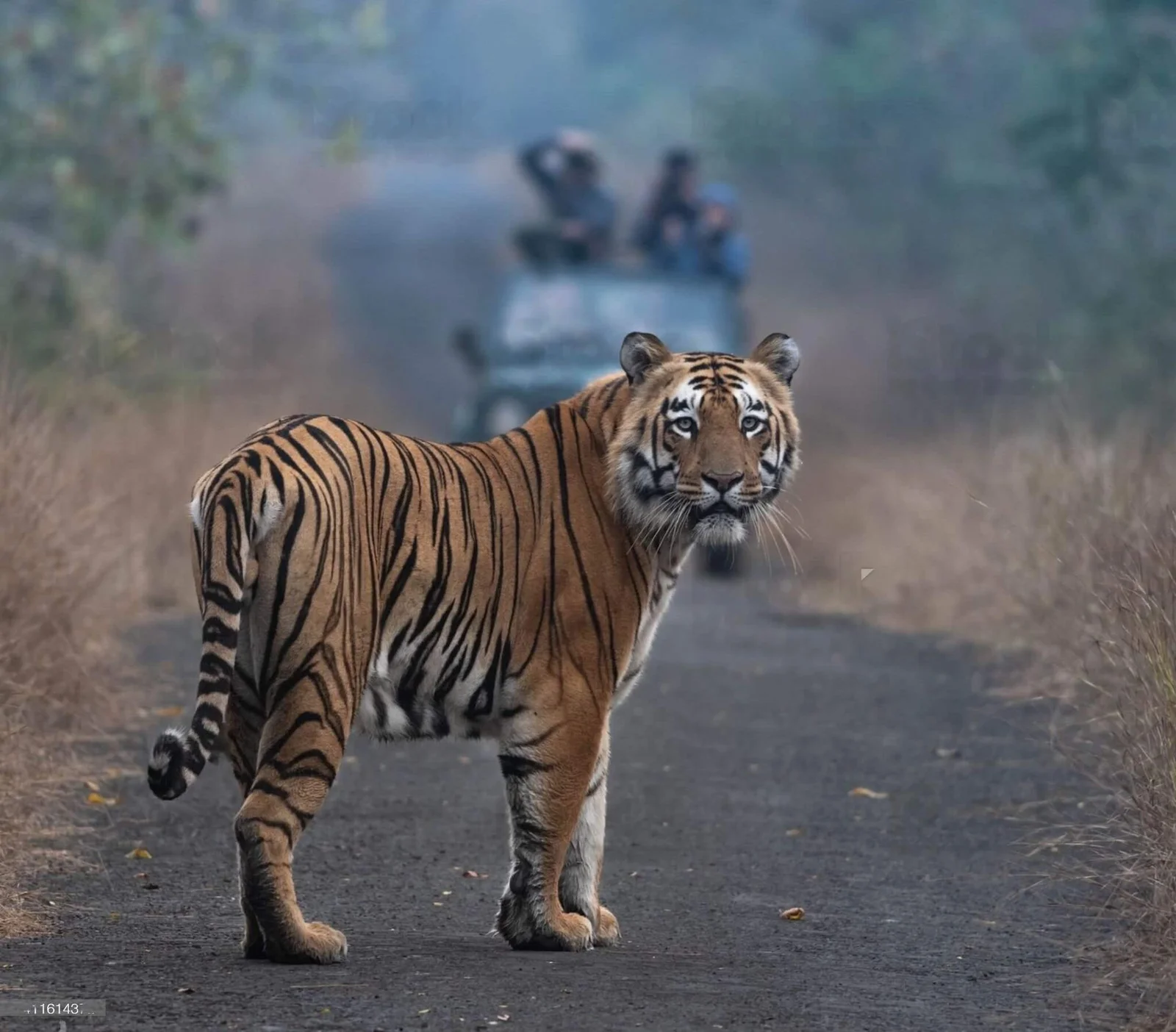
- Wildlife: It supports Bengal tiger, leopard, swamp deer, hog deer, Bengal florican and sloth bear, along with diverse birdlife.
- Ecological Connectivity: As part of the Terai Arc Landscape, PTR helps maintain wildlife connectivity between India and Nepal.
FAQs
Q1. Where is Pilibhit Tiger Reserve located?
Ans: It is located in the Terai region of Uttar Pradesh, along the India–Nepal border.
Q2. Which river originates from Pilibhit Tiger Reserve?
Ans: The Gomti River originates from the reserve.
Q3. Which major forest types occur in PTR?
Ans: It contains Tropical Moist Deciduous, Tropical Dry Deciduous, Seasonal Swamp and Tropical Semi-evergreen forests.