Important Questions for UPSC Prelims, Mains and Interview
|
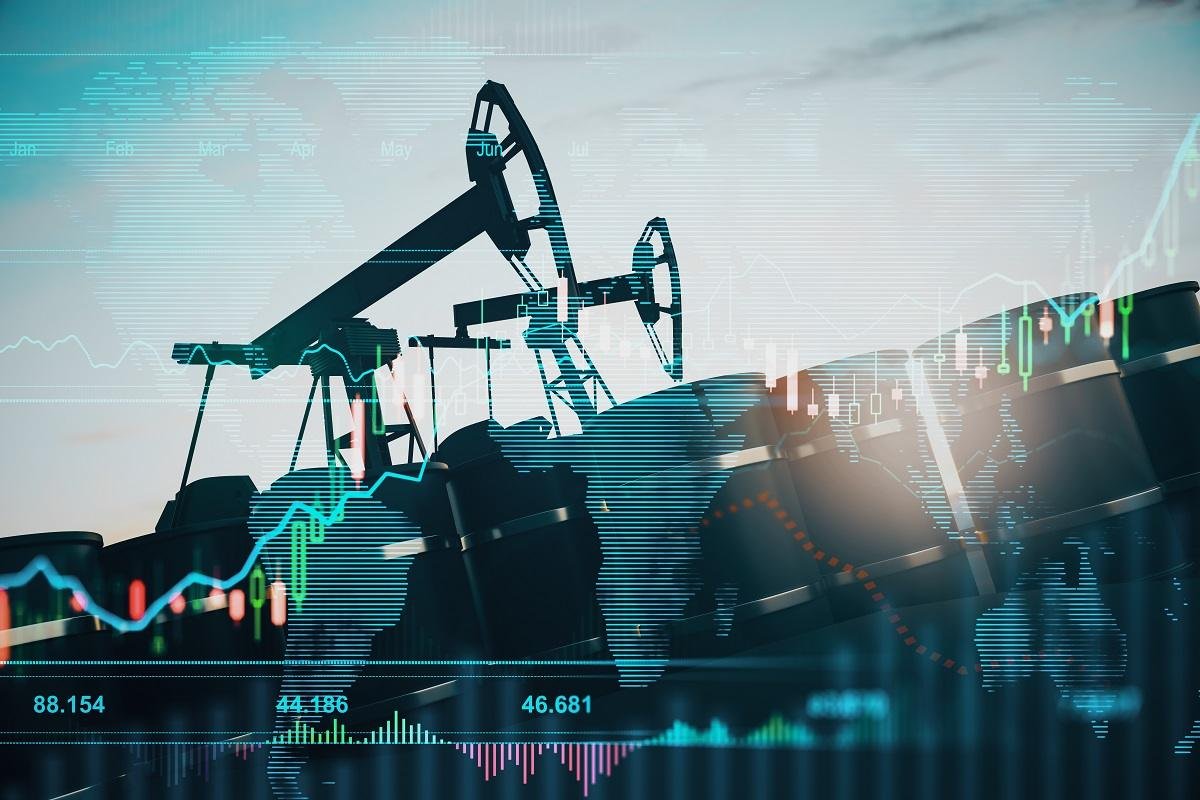
Q1. How can an Iran–US conflict affect global oil supply and prices?
- In the event of a conflict between Iran and the United States, Iran has indicated that it may close the Strait of Hormuz which can lead to reduced global oil supply and increased prices as oil tankers would not be able to pass via the strait.
- Such disruptions highlight the importance of international organizations that manage oil supply, demand, and energy security.
Q2. What is the Organization of the Petroleum Exporting Countries (OPEC)?
- It is a 12 member organization of oil producing countries, established in 1960 with the main objective of protecting the interests of oil producing countries by controlling the oil supply.
- Why was OPEC created: Before 1960, Western oil companies artificially reduced oil prices, which caused losses to oil-producing countries such as Kuwait, Saudi Arabia, Iran, UAE, Iraq, Venezuela, etc. To protect their interests, these countries formed OPEC.
- How does OPEC control oil supply: OPEC decides the total oil production quota. This total production is divided among member countries based on production capacity and oil reserves. These decisions are taken through consensus, meaning all members must agree.
- Special role of Saudi Arabia: It acts as a “swing producer.” It has the ability to increase or decrease production to stabilize global oil markets.
Q3. What is the Organization of Arab Petroleum Exporting Countries (OAPEC)?
- It is a 11 member organization of oil producing countries, established in 1968 with the aim to protect the interests of Arab oil-producing countries by controlling oil supply. Iran is not a member of OAPEC.
- OAPEC countries have historically used oil embargoes as a political tool.
- It means boycotting oil exports to certain countries which reduces oil supply and distorts the global oil prices.
Q4. Why was the International Energy Agency (IEA) created?
- The creation of IEA was linked to the Yom Kippur War (1973) between Israel and Arab countries.
- During the war OAPEC imposed an oil embargo on countries supporting Israel, including the US.
- This created a global oil shortage. Oil prices increased almost 4 times, leading to 1973 oil crisis.
- In response, 17 OECD countries formed the IEA in 1974 to coordinate energy security.
- Unlike OPEC & OAPEC, which protect producers, IEA aims to protect oil-consuming countries.
Q5. What are the membership rules and structure of the IEA?
- The IEA currently has 33 full member countries and 13 associate member countries
- Conditions for full membership: To become a full member of the IEA, a country must:
- Be member of the Organisation for Economic Co-operation and Development (OECD).
- Maintain oil reserves equal to at least 90 days of the previous year’s net oil imports.
- Associate membership: In 2015, IEA introduced associate membership for non-OECD countries.
- Associate members can attend meetings and discussions.
- However, they do not have voting rights or decision-making power.
- India became an associate member in 2017.
Q6. What is the utility of the IEA during energy crises?
- The IEA does not produce oil and does not have its own oil reserves.
- However, it plays an important role during crises.
- Member countries maintain emergency oil stockpiles. During disruptions, the IEA can coordinate the release of these reserves into the market.
- This helps stabilize oil supply and reduce price spikes.
- However, this is not a permanent solution. It only provides a temporary response to manage supply disruptions during crises or wars.
Q7. Why does India want full membership of the IEA?
- It would give voting rights to India in the organization.
- India would gain decision-making power in global energy policies.
- India could receive priority access to oil during global energy emergencies, improving energy security.
- It would increase India’s global influence and international image in energy governance.
Q8. Why has India not yet become a full member of the IEA?
- India has not yet become a full member because it does not meet two key requirements:
- India is not a member of the OECD.
- India does not yet maintain the required 90-day oil reserve.
- India’s current oil storage capacity: India’s Strategic Petroleum Reserve (SPR) includes:
- Underground caverns with capacity for about 9 days of oil.
- Refinery reserves with capacity for about 65 days of oil.
- Therefore, India currently has about 74 days of oil storage capacity.
Q9. What could be the future pathway for India to become a full IEA member?
- India may increase its oil storage capacity by:
- Expanding strategic petroleum reserve caverns, and
- Increasing refinery storage capacity.
- If India increases its oil reserves to at least 90 days of imports, it will be able to satisfy one of the key conditions for full membership of the International Energy Agency.
- This would strengthen India’s energy security and global role in energy governance.