Context
The Ministry of Environment, Forest and Climate Change (MoEFCC) has issued a draft Eco-Sensitive Zone (ESZ) notification for Nagarahole Tiger Reserve, proposing an ESZ of 573.95 sq km around the reserve to regulate activities that may affect its sensitive ecosystem.
About Nagarahole Tiger Reserve
- Location: Located in Mysuru and Kodagu districts of Karnataka, near the Karnataka–Kerala–Tamil Nadu tri-junction.
- Landscape: Part of the Nilgiri landscape, connecting the Western and Eastern Ghats ecosystems.
- Name: Named after the Nagarahole River, meaning “snake stream” in Kannada; the river joins the Kabini River.
- Connectivity: Adjoins Bandipur Tiger Reserve in Karnataka and Wayanad Wildlife Sanctuary in Kerala, forming a contiguous wildlife landscape.
- Rivers: Kabini lies to the north and Moyar to the south.
- Vegetation: Dry deciduous forests dominate the east, while higher rainfall in the west supports moist deciduous and semi-evergreen forests.
- Flora: Includes rosewood, sandalwood, Indian kino, Indian laurel and bamboo.
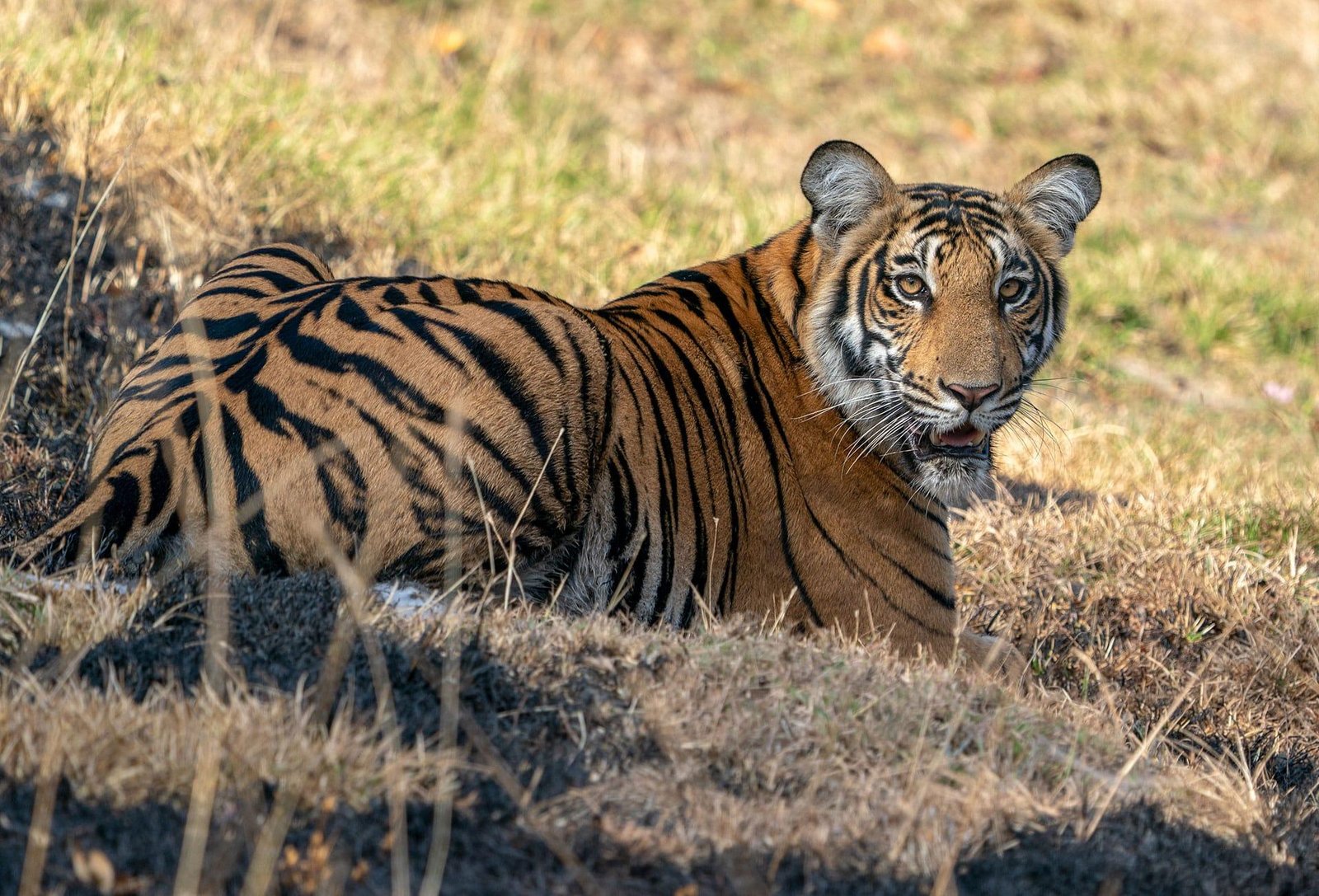
- Fauna: Supports Bengal tiger, gaur, dhole, sloth bear, golden jackal and four-horned antelope.
- Conservation Status: Forms part of the Nilgiri Biosphere Reserve, spread across Karnataka, Kerala and Tamil Nadu, and recognised under UNESCO’s World Network of Biosphere Reserves. The broader Western Ghats is a UNESCO World Heritage Site known for its rich biodiversity and endemism.
FAQs
Q1. Where is Nagarahole Tiger Reserve located?
Ans: It is located in Mysuru and Kodagu districts of Karnataka, near the tri-junction of Karnataka, Kerala and Tamil Nadu.
Q2. Which rivers are associated with Nagarahole Tiger Reserve?
Ans: The Kabini River lies to its north, while the Moyar River is associated with its southern side. The Nagarahole River joins the Kabini.
Q3. Nagarahole Tiger Reserve is part of which biosphere reserve?
Ans: It forms part of the Nilgiri Biosphere Reserve, spread across Karnataka, Kerala and Tamil Nadu.
Q4. Why is an Eco-Sensitive Zone proposed around Nagarahole?
Ans: An ESZ acts as a regulated zone around protected areas. It helps control activities that could adversely affect the reserve while providing a transition between protected ecosystems and surrounding human-use areas.