Context
The Masroor Rock-Cut Temples have come into focus for their remarkable rock-cut architecture and rich cultural heritage, making them one of the notable yet lesser-known historical monuments in India.
About Masroor Rock-Cut Temples
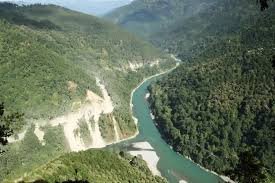
- The Masroor Rock-Cut Temples are located in the Kangra Valley of Himachal Pradesh near the Beas River.
- The temple complex dates to the early 8th century CE and is believed to be around 1,200 years old.
- The complex is believed to reflect architectural features associated with the Gupta period.
- The temple complex is popularly known as the “Ellora of Himachal Pradesh” and the “Himalayan Pyramid”.
- The site was first documented by Henry Shuttleworth in 1913 and later surveyed by the Archaeological Survey of India (ASI) in 1915.
- No definitive reference to the temple complex has been identified in known historical texts or scriptures.
Architectural Features
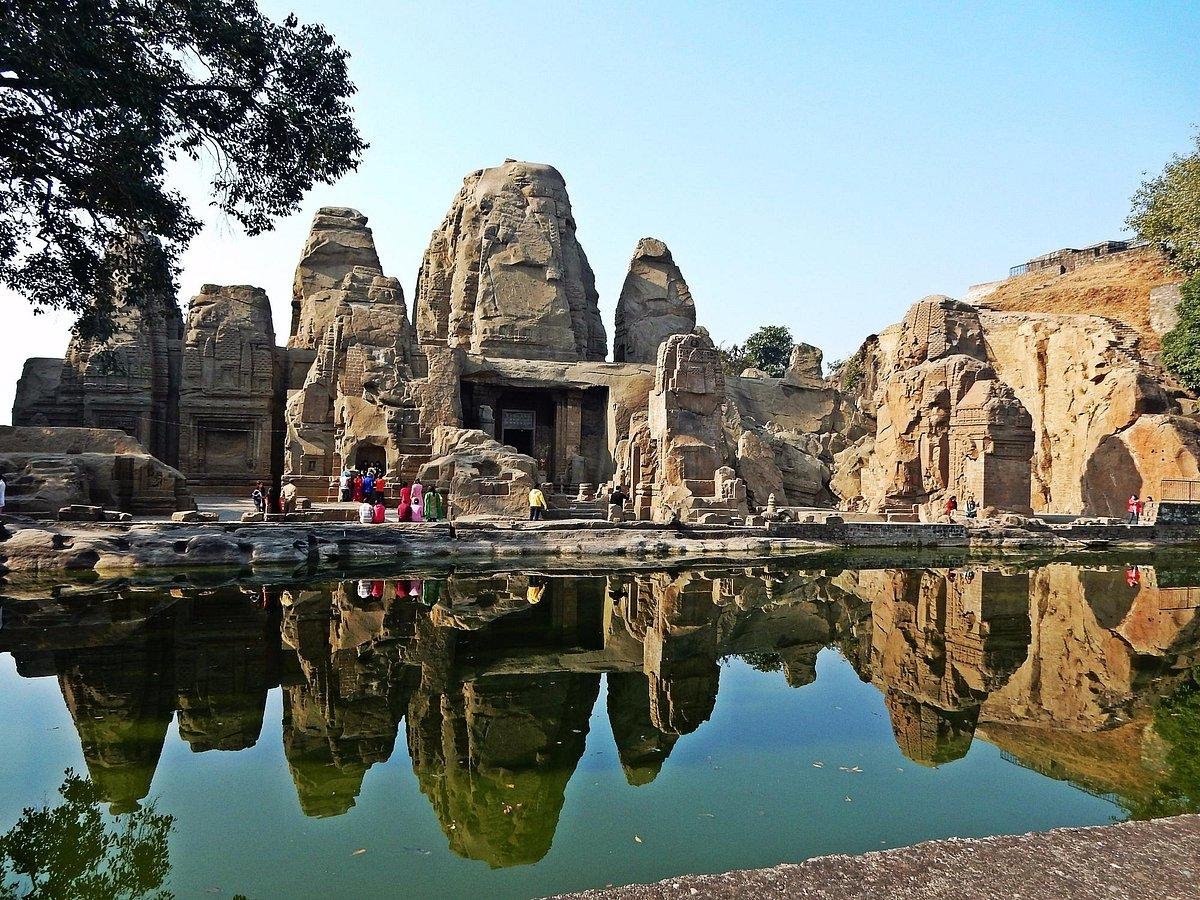
- The complex consists of 15 rock-cut Hindu temples carved from a single monolithic rock.
- It follows the Nagara style of North Indian temple architecture.
- The temples are arranged in a symmetrical square-grid pattern, with a central shrine surrounded by smaller shrines.
- The temple complex faces the northeast towards the Dhauladhar Range, unlike most Hindu temples that face east.
- The temple complex includes shikharas, a sacred water tank, and three entrances facing the northeast, southeast, and northwest.
- Archaeological evidence suggests that a fourth entrance was planned but never completed.
Religious Significance
- The temples are dedicated to Lord Shiva, Lord Rama, Goddess Sita, and Lord Lakshmana.
- They contain carvings and reliefs depicting various Vedic and Puranic deities.
- The friezes portray themes and narratives drawn from Hindu traditions.
Present Condition
- A significant portion of the sculptures and carvings has been damaged or lost over time.
- The damage is largely attributed to earthquakes that have affected the region over the centuries.