Context
A recent study has reconstructed nearly 4,000 years of climate and vegetation history of Majuli Island in Assam, helping researchers understand how the island’s environment and ecosystem have changed over time.
About Majuli Island
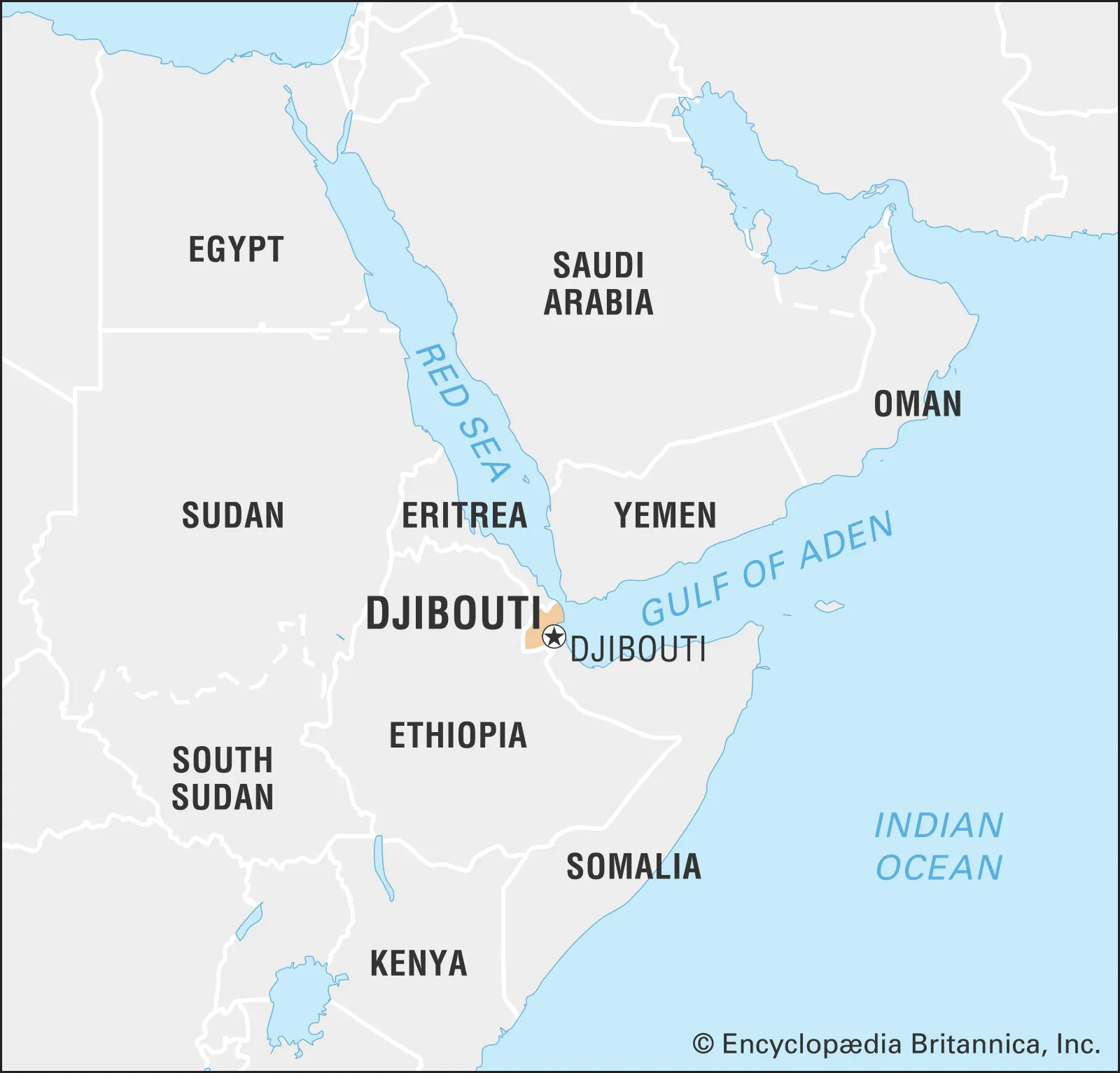
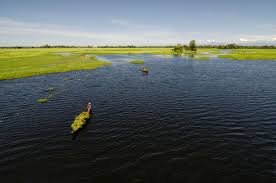
- Majuli is the world’s largest river island, situated in the Brahmaputra river system. It is bounded by the Brahmaputra River to the south and the Kherkutia Xuti channel, connected to the Subansiri River, to the north.
- The island is inhabited mainly by the Mishing, Deori, and Sonowal Kachari tribes, along with Assamese communities.
- Rice cultivation is the primary livelihood of the residents, with traditional varieties such as Komal Saul and Bao Dhan widely cultivated.
- Majuli is the principal centre of Assamese Neo-Vaishnavite culture, propagated in the 16th century by Srimanta Sankardeva and Madhavdeva.
- The island is known for its Satras (Vaishnavite monasteries), which have preserved Sattriya dance, Bhaona theatre, literature, and other cultural traditions.
- It is also renowned for its traditional mask-making, pottery, and boat-building crafts.