Context
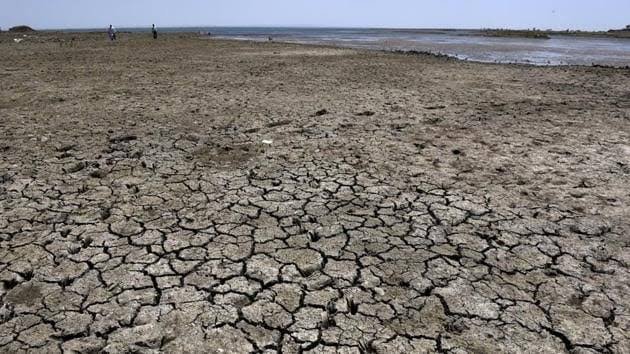
Maharashtra is facing drought-like conditions due to deficient and erratic monsoon rainfall, particularly in Marathwada and Vidarbha, affecting crops and water availability. The state has begun crop-loss assessments and plans to submit a drought proposal after 5 October under applicable National Disaster Response Fund (NDRF) norms.
Drought: Types and Assessment
- Drought refers to prolonged water deficiency and generally develops in three stages:
- Meteorological drought: Rainfall deficiency with high temperature and evapotranspiration.
- Agricultural drought: Inadequate soil moisture for crop growth.
- Hydrological drought: Decline in surface water and groundwater.
- Official drought declaration requires assessment of multiple indicators, including rainfall, crop loss, soil moisture, agricultural output, groundwater, drinking water and fodder availability.
- The State Government conducts the initial assessment, followed by Central verification for disaster-relief assistance.
Factors Behind Maharashtra’s Drought Vulnerability
- Rain-fed agriculture: Heavy dependence on the monsoon makes agriculture vulnerable to rainfall variability.
- Erratic rainfall: Uneven and intense rainfall, followed by long dry spells, reduces effective soil moisture and groundwater recharge.
- Regional water stress: Marathwada faces recurring rainfall variability and limited water availability.
- Water-intensive crops: Crops such as sugarcane increase pressure on water resources in water-stressed areas.
- Black soil: Black cotton soil has high water-holding capacity but relatively low infiltration, which can limit groundwater recharge.
Impact on Maharashtra
- Rainfall Deficit: 31 of 36 districts recorded deficient rainfall, with 20 districts facing a 25–58% deficit.
- Prolonged Dry Spells: Over 100 talukas experienced dry periods of 40–60 days.
- Kharif Crops: Erratic rainfall adversely affected soybean and cotton, especially in Marathwada and Vidarbha.
- Reservoir Levels: Marathwada’s reservoir storage fell to 46%, against 81% during the same period last year.
- Rural Livelihoods: Water shortages increased pressure on drinking water and fodder availability.
Way Forward
- Expand Irrigation: Increase irrigation coverage to reduce dependence on monsoon rainfall.
- Promote Water Efficiency: Encourage micro-irrigation, water-efficient crops and watershed development in drought-prone areas.
- Recharge Groundwater: Strengthen rainwater harvesting and soil-water conservation to improve groundwater recharge.
- Improve Monitoring: Use rainfall, soil moisture, crop, reservoir and groundwater data for timely drought assessment.
- Build Resilience: Move from short-term relief measures towards climate-resilient and sustainable agriculture.
FAQs
Q1. What are the three major stages of drought?
Ans: Meteorological → Agricultural → Hydrological drought, involving rainfall deficiency, inadequate soil moisture and depletion of water resources respectively.
Q2. Why is Maharashtra particularly vulnerable to drought?
Ans: High dependence on rain-fed agriculture, erratic rainfall and regional water stress make Maharashtra drought-prone.
Q3. What role does the NDRF play in drought management?
Ans: The National Disaster Response Fund (NDRF) provides the framework for drought assessment and disaster-relief assistance.