Context
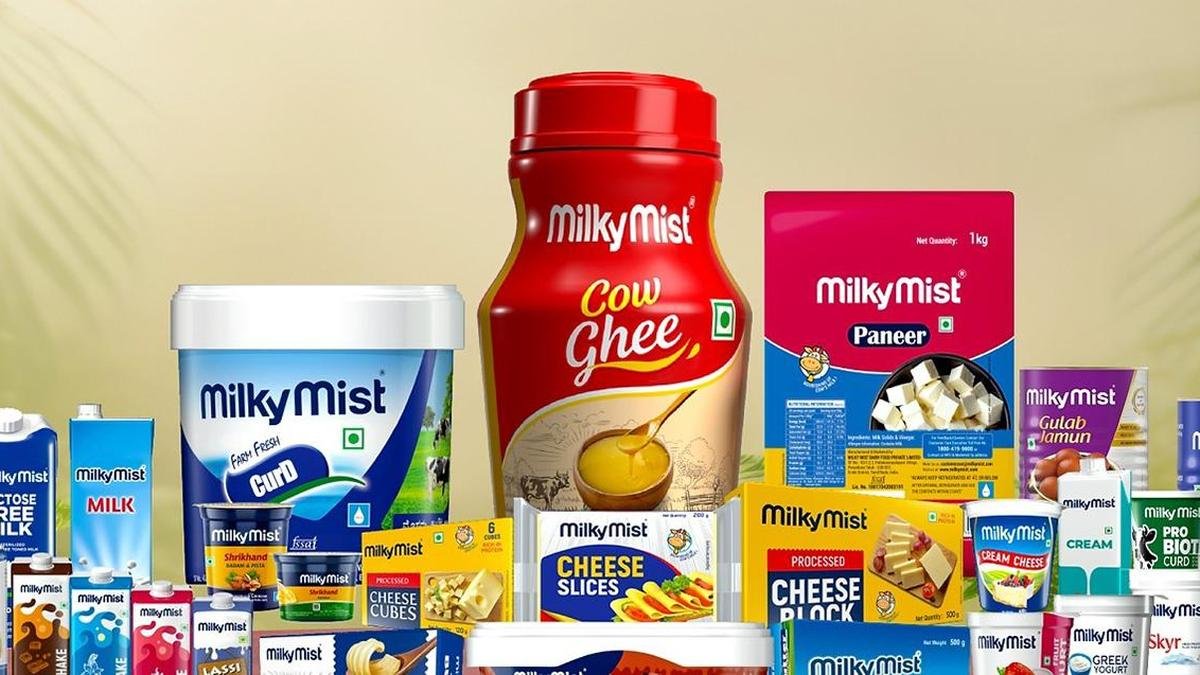
The story of Misty Milk in Kerala illustrates a critical paradox: while the infrastructure exists to support 70,000 farmers, only a small fraction is currently integrated. This reflects a broader structural issue within India’s Micro, Small, and Medium Enterprises (MSMEs), where job creation is hindered by a lack of credit and ecosystem support rather than a lack of capacity.
The Importance of MSMEs in India
MSMEs are the backbone of the Indian economy and the largest non-farm job creators.
- Economic Contribution: They account for 1% of GVA, 45% of manufacturing output, and 46% of exports.
- Job Creation: They generate 5 crore non-farm jobs, primarily in labor-intensive sectors like textiles, leather, and engineering.
- Export Growth: MSME exports jumped significantly from ₹3.95 lakh crore (2020–21) to ₹12.39 lakh crore (2024–25).
Structural Barriers to Growth and Job Creation
- The Credit Bottleneck: Only 20% of MSMEs have access to formal credit. Out of 6.3 crore MSMEs, only 2.5 crore receive institutional finance.
- Skill and Technology Gaps:
- Only 6% of MSMEs use e-commerce.
- Outdated machinery and a shortage of skilled labor reduce global competitiveness.
- Regulatory Burden: High compliance costs and overlapping labor laws squeeze profit margins and discourage businesses from scaling up (a phenomenon known as “dwarfism”).
- Infrastructure & Logistics: High logistics costs (14–18% of GDP) and poor connectivity limit the reach of industrial clusters.
- Sustainability Pressures: New international standards like the EU’s Carbon Border Adjustment Mechanism (CBAM) pose a threat to MSME exports due to the high cost of green transitions.
Key Government Initiatives
The government has launched several schemes to address these structural bottlenecks:
- Credit Support: Mudra Yojana (₹27 lakh crore disbursed), Credit Guarantee Fund Trust for Micro and Small Enterprises (CGTMSE) for collateral-free loans up to ₹5 crore, and ECLGS.
- Digital & Formalization: UDYAM Portal (5.93 crore msme registrations), TReDS for bill discounting, and ONDC for e-commerce.
- Structural Reforms: Revised investment/turnover limits in Budget 2025 to incentivize scaling.
- Support Frameworks: RAMP Programme (World Bank supported) and the MSME Champions Portal.
Challenges and Way Forward
| Challenge | Way Forward |
| 1. Credit Access | Shift to cash-flow based lending using GST data instead of collateral. |
| 2. Skill Shortages | Implement cluster-based skilling programs tailored to local industry. |
| 3. Low Tech Adoption | Provide subsidies for AI, modern machinery, and digital onboarding. |
| 4. Compliance Burden | Simplify and unify regulatory frameworks to reduce “hidden” costs. |
| 5. Export Quality | Support MSMEs in achieving international quality certifications to avoid rejections. |
Conclusion
Sustainable job creation requires moving beyond just building plants. As seen with Misty Milk, true growth comes from linking credit with formalization, upgrading technology, and integrating small producers into global value chains. Strengthening MSMEs is the only way to effectively harness India’s demographic dividend.