Context
- India’s large young population can become a demographic dividend only when supported by education, skills, productive employment and economic mobility.
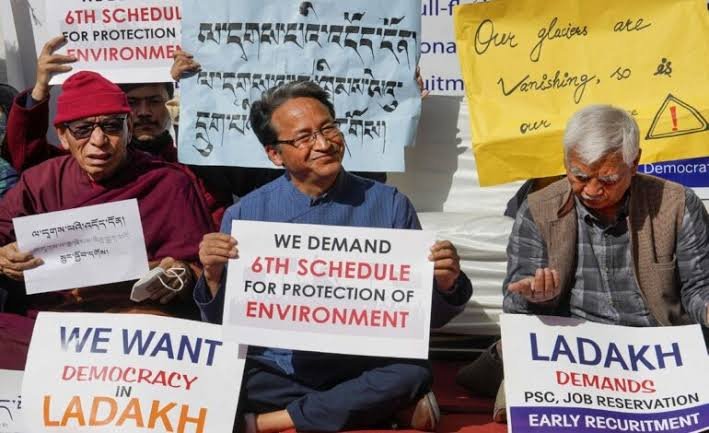
- In Jammu and Kashmir and Ladakh, these aspirations intersect with geographical constraints, conflict-related challenges and strategic sensitivities.
- A sustainable development strategy therefore needs to combine human-capital development, economic opportunity, connectivity and security.
Demographic Potential and Youth Aspirations
- India’s relatively young population provides a large potential workforce, particularly when compared with ageing societies such as China.
- However, demographic advantage does not automatically produce economic growth. It depends on the capacity to create productive employment and relevant skills.
- Digital connectivity has exposed young people, including those in remote areas, to opportunities in education, employment and lifestyles across the world. This has widened the aspiration–opportunity gap.
- Expansion of higher education has not always been accompanied by adequate employment. Unemployment, recruitment delays and examination-related irregularities can further intensify frustration.
- The central policy challenge is to convert youth aspirations into productive human capital and economic participation.
Jammu and Kashmir: Human Capital and Economic Potential
- Young people in Jammu and Kashmir have aspirations similar to those of youth elsewhere, including employment, dignity, economic independence and security.
- Prolonged conflict and political uncertainty have, however, created additional constraints on economic participation.
- A development-oriented approach can treat the region’s youth as an important human-capital resource, alongside its geographical and natural assets.
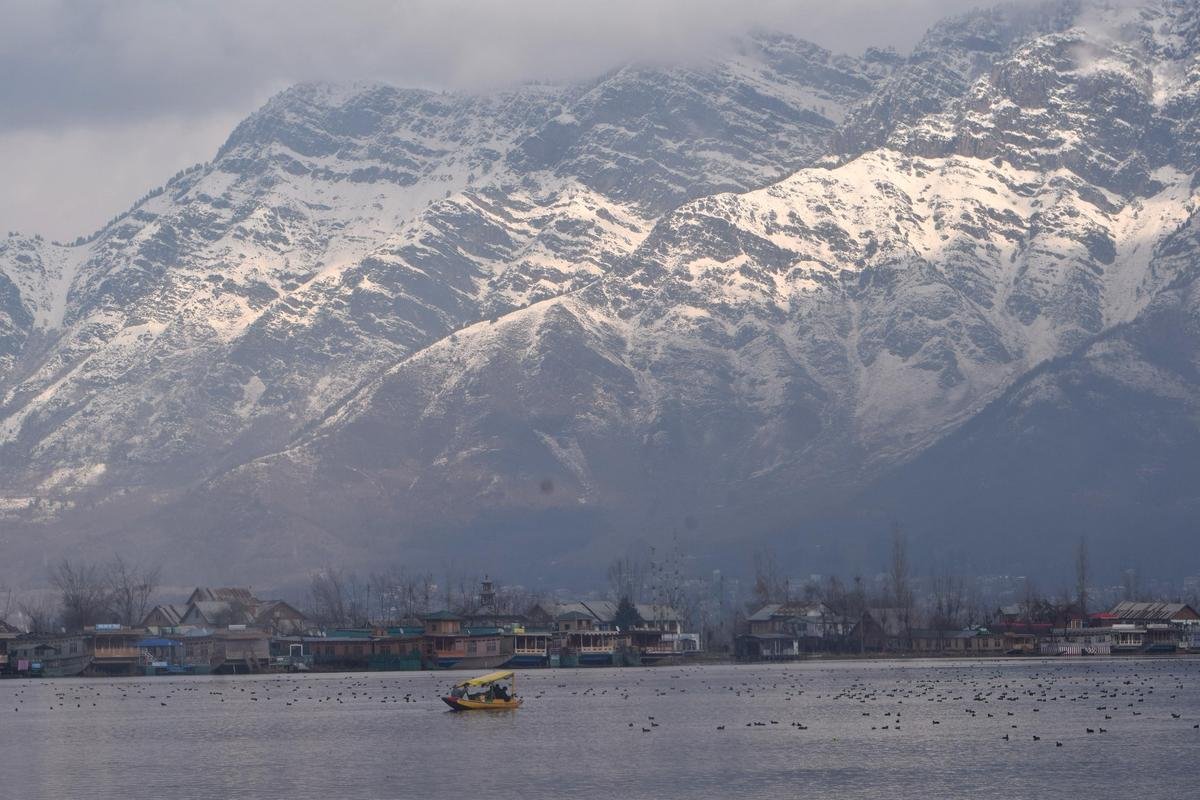
- Jammu and Kashmir has potential in hydropower, tourism, horticulture and handicrafts, while its location provides scope for wider regional economic linkages.
Kashmir’s Historical Connectivity
- Historically, Kashmir served as a link between South Asia, Central Asia and Tibet.
- Trade routes facilitated exchanges of goods, people, knowledge and cultural practices across the region.
- The influence of Mir Sayyid Ali Hamadani (Shah-i-Hamadan) and Persian and Central Asian traditions is associated with the development of Kashmir’s distinctive handicraft heritage.
- This history demonstrates how connectivity can generate broader economic and cultural networks, rather than merely facilitate transportation.
- Contemporary policy can draw lessons from this history while recognising that present-day connectivity must operate within current security and diplomatic constraints.
Connectivity and Eurasian Integration
- Jammu and Kashmir’s geographical position gives it potential relevance to India’s engagement with Central Asia and the wider Eurasian region.
- Connectivity involving Pakistan, China and Central Asia remains sensitive because of security, territorial and diplomatic considerations.
- Any attempt to expand regional connectivity would therefore require a phased and regulated approach, rather than unrestricted reopening of traditional routes.
- Potential initiatives could begin with carefully selected corridors where security requirements, diplomatic feasibility and economic viability can be reconciled.
- If successfully implemented, such connectivity could strengthen trade, investment and regional economic interaction.
Developmental Impact
Improved connectivity, where feasible, could expand economic activity across:
- Transport and logistics: Freight movement, supply chains and warehousing.
- Tourism and hospitality: Greater access to regional tourism markets.
- Agriculture and horticulture: Wider domestic and external market access.
- Manufacturing and handicrafts: Integration with larger value chains.
- Services and entrepreneurship: Finance, technology and other services.
- Employment: Construction can generate short-term jobs, while operational corridors could create sustained economic opportunities.
For regional youth, greater market access could create alternatives to dependence on limited public-sector employment and strengthen participation in wider economic networks.
Way Forward
- Strengthen Human Capital
- Align education, vocational training and skills development with emerging employment opportunities.
- Expand youth entrepreneurship through better access to finance, technology and markets.
- Pursue Phased Connectivity
- Develop regional connectivity incrementally through projects selected on the basis of security, diplomatic feasibility and economic viability.
- Link infrastructure development to measurable economic and employment outcomes.
- Integrate Local Economies
- Connect horticulture, handicrafts, tourism and services with wider domestic and international markets.
- Encourage value addition and stronger local participation in supply chains.
- Balance Development and Security
- Pursue economic integration with appropriate security safeguards and regulatory mechanisms.
- Ensure local communities receive tangible economic benefits from development initiatives.
- Convert Demographic Potential into Opportunity
- India’s demographic advantage is time-sensitive; sustained benefits require adequate employment and productive opportunities.
- Jammu and Kashmir’s development should be viewed not only through infrastructure and security but also through employment, enterprise and human development.
Conclusion
Kashmir’s geographical position and human resources provide potential for linking regional development with India’s wider Eurasian engagement. Connectivity alone cannot create a demographic dividend. The objective is to combine skills, employment, entrepreneurship, market access and secure connectivity so that youth aspirations translate into productive economic participation.
FAQs
- What is a demographic dividend?
A demographic dividend refers to the potential economic benefits arising from a large working-age population. It depends on adequate education, skills, employment and productive economic participation.
- Why has Kashmir historically been associated with regional connectivity?
Kashmir historically connected South Asia with Central Asia and Tibet, facilitating the movement of goods, people, knowledge and cultural influences.
- Why would connectivity involving Kashmir require a phased approach?
Connectivity involving Pakistan, China and Central Asia intersects with security, territorial and diplomatic considerations. Expansion therefore needs to account for these factors alongside economic feasibility.
- Which sectors could benefit from improved regional connectivity?
Potential sectors include logistics, tourism, horticulture, handicrafts, manufacturing, finance and technology-enabled services, subject to economic and security feasibility.
- How can connectivity contribute to the demographic dividend?
Connectivity can expand market access, employment and entrepreneurship, helping convert a large working-age population into productive human capital.
- What does development-security balance mean in the context of Jammu and Kashmir?
It involves pursuing economic development and regional integration while maintaining appropriate security safeguards and regulatory mechanisms in a strategically sensitive region.
- What is the broader significance of Kashmir’s geographical location?
Its location provides potential for greater engagement with Central Asia and the wider Eurasian region, subject to economic, diplomatic and security considerations.