Context
- Scientists at Kerala’s Institute of Advanced Virology (IAV) have developed a Dengue Early Warning System (DEWS) to forecast district-level dengue trends.
- The system uses machine learning, combining six years of dengue case records with temperature, rainfall and humidity data.
- DEWS seeks to shift dengue management from reactive outbreak response to anticipatory public health action, allowing authorities to intervene before cases rise sharply.
What is DEWS?
- DEWS is a data-driven forecasting system that estimates future dengue trends at the district level.
- It integrates dengue surveillance data with meteorological variables because mosquito abundance and dengue transmission are strongly influenced by local climatic conditions.
- Separate district-level models account for differences in local environment, disease patterns and mosquito-breeding conditions.
- Forecasts are translated into Low, Moderate, High and Very High risk categories, making them easier for public-health authorities to use.
How Does the Early Warning System Work?
Historical dengue cases + Weather variables → Machine-learning analysis → District-level risk forecast → Early public-health response
- Temperature affects mosquito survival, development and viral replication within the vector.
- Rainfall influences the availability of water-filled mosquito-breeding habitats.
- Humidity affects mosquito survival and therefore opportunities for disease transmission.
Combining these variables with disease-surveillance data enables the system to identify patterns associated with rising dengue risk.
Why is DEWS Significant?
- Anticipatory surveillance: Potential increases in dengue can be identified before they translate into a larger disease burden.
- Targeted vector control: High-risk districts can receive intensified source reduction, mosquito surveillance and community interventions.
- Resource optimisation: Health departments can prioritise testing facilities, medical supplies and hospital preparedness where risk is expected to increase.
- Climate-informed public health: DEWS demonstrates how machine learning + epidemiological data + weather information can strengthen management of climate-sensitive vector-borne diseases.
However, DEWS provides a risk forecast, not a certain prediction. Its effectiveness depends on reliable surveillance data, changing mosquito ecology and continued model validation.
About Dengue
- Dengue, also called “break-bone fever”, is a mosquito-borne viral disease caused by the dengue virus (DENV) and is widespread in tropical and subtropical regions.
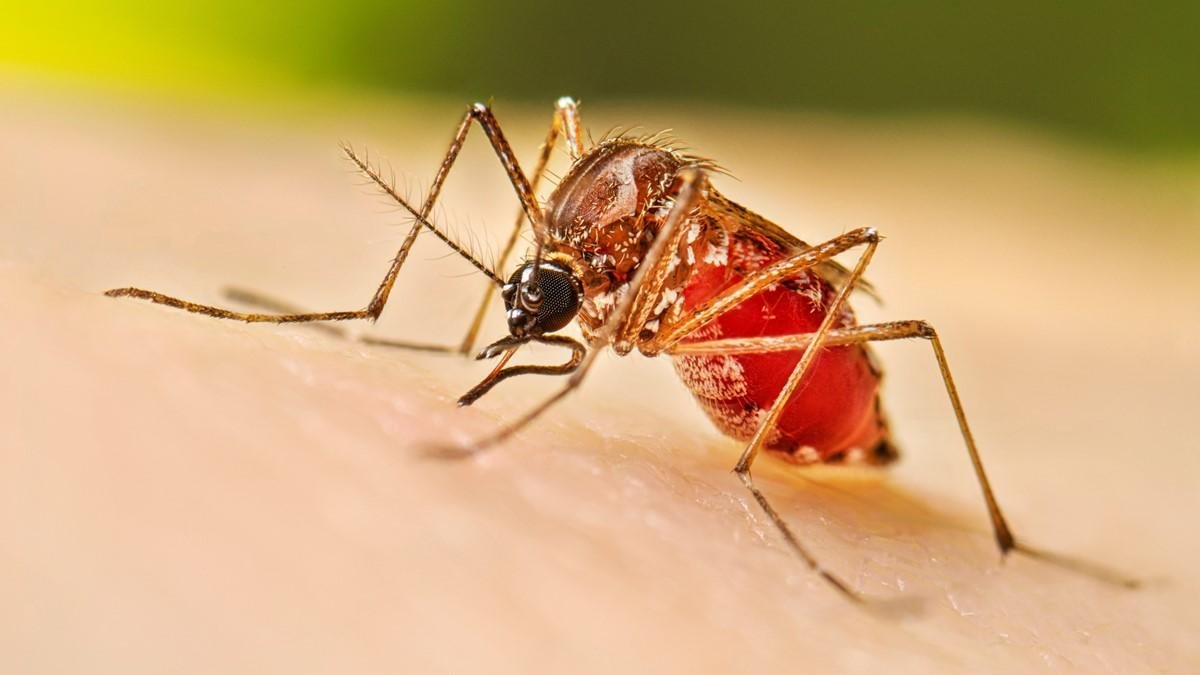
- It is transmitted mainly by infected female Aedes aegypti mosquitoes; Aedes albopictus can also act as a vector.
- Dengue virus has four serotypes—DENV-1, DENV-2, DENV-3 and DENV-4. Thus, a person can contract dengue more than once.
- Most infections are asymptomatic or mild, but some progress to severe dengue, characterised by severe bleeding, plasma leakage, shock or organ impairment.
- A subsequent infection with a different serotype is associated with a greater risk of severe dengue.
Treatment and Prevention
- There is no specific antiviral treatment for dengue; management is primarily supportive, including adequate fluids and careful clinical monitoring.
- Prevention focuses on eliminating Aedes breeding sites, mosquito control and protection from mosquito bites.
FAQs
Q1. What is DEWS?
It is a machine-learning-based system for forecasting district-level dengue trends.
Q2. Which institution developed DEWS?
Kerala’s Institute of Advanced Virology (IAV).
Q3. Which weather variables are used in DEWS?
Temperature, rainfall and humidity are combined with dengue case data.
Q4. What is the principal vector of dengue?
The principal vector is the female Aedes aegypti mosquito.
Q5. How many dengue virus serotypes are there?
There are four serotypes: DENV-1, DENV-2, DENV-3 and DENV-4.