Context
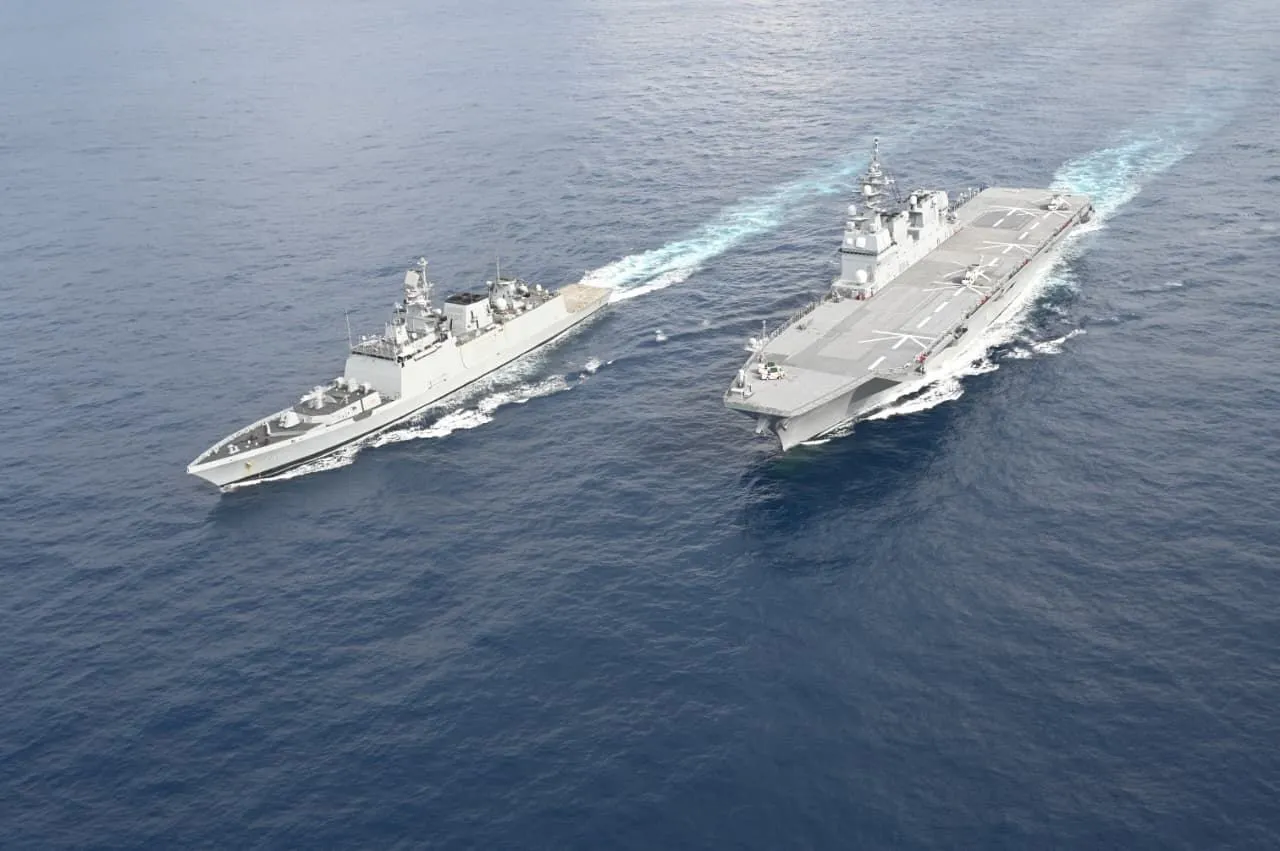
The 4th India–Japan 2+2 Ministerial Dialogue was held in Tokyo on 19 November 2026, focusing on strengthening bilateral defence cooperation, maritime security and strategic partnership in the Indo-Pacific region.
About the Country
- Location: An archipelagic (island) country in East Asia, located in the northwestern Pacific Ocean.
- Capital: Tokyo (located on Honshu Island).
- Surrounding Water Bodies:
- East: Pacific Ocean
- North: Sea of Okhotsk
- West: Sea of Japan (East Sea)
- Southwest: East China Sea
Geographical Features
- Major Islands (North to South): Hokkaido, Honshu, Shikoku, and Kyushu (along with the Ryukyu Islands to the southwest); Honshu is the largest and most populous island.
- Terrain: Nearly 75% mountainous and heavily forested, with narrow coastal plains where most cities and agriculture are concentrated.
- Climate: Ranges from subarctic in the north (Hokkaido) to humid subtropical in the south, shaped by monsoonal rainfall, seasonal typhoons, and ocean currents (Kuroshio warm current and Oyashio cold current).
- Tectonic Activity: Lies along the Pacific Ring of Fire at the junction of multiple tectonic plates, making it highly prone to earthquakes, tsunamis, and volcanic eruptions.
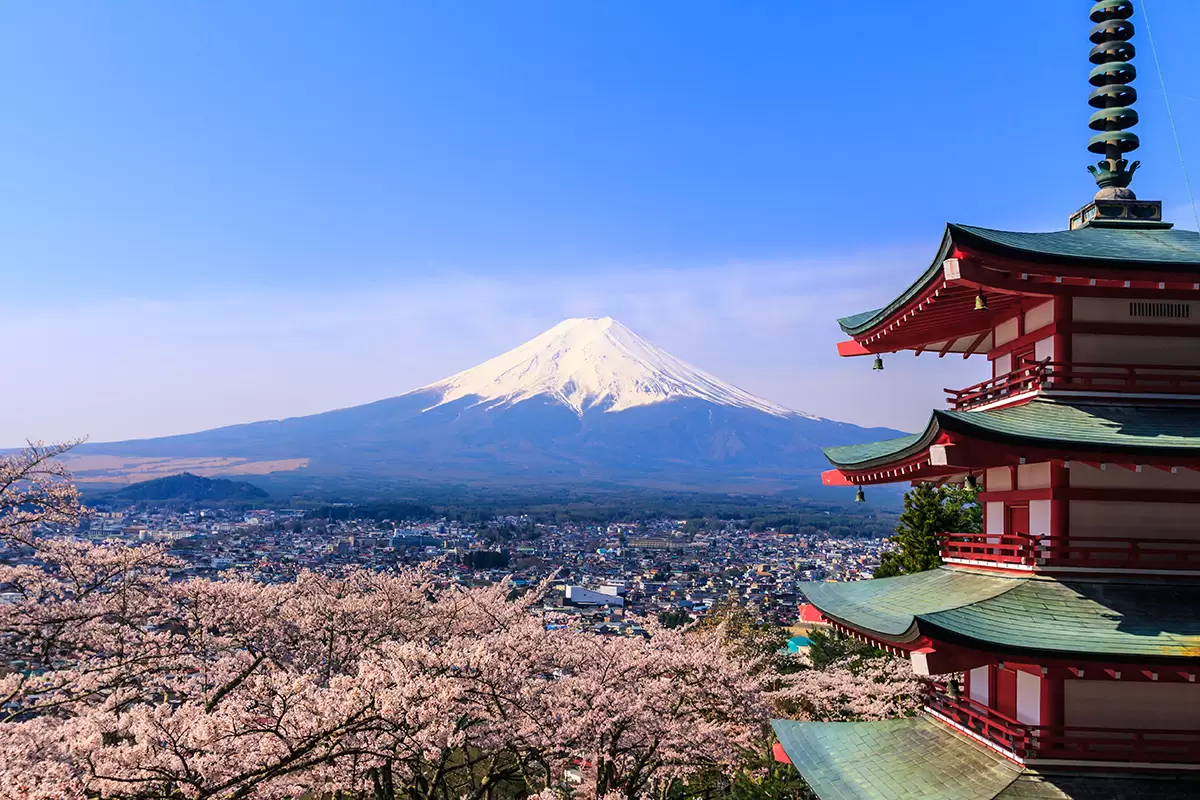
- Highest Peak: Mount Fuji (3,776 metres), an active stratovolcano (composite volcano) on Honshu Island.
- Mountain Ranges: The Japanese Alps, comprising the Hida, Kiso, and Akaishi ranges in central Honshu.
- Major Rivers: Shinano (longest river), Tone, and Kiso; rivers are mostly short, steep, and fast-flowing.
- Natural Resources: Limited reserves of coal, iron ore, copper, zinc, lead, gold, silver, and sulphur, making Japan heavily dependent on mineral and energy imports.
FAQs
Q1. What is the capital of Japan?
Ans. Tokyo, located on Honshu Island.
Q2. What are the four major islands of Japan?
Ans. Hokkaido, Honshu, Shikoku and Kyushu (north to south); Honshu is the largest.
Q3. Which is the longest river in Japan?
Ans. Shinano River (367 km), flowing through central Honshu into the Sea of Japan.