Context
- The International Criminal Court (ICC) is facing growing political and institutional pressure as Venezuela, Chad, Burkina Faso, Mali and Niger have announced plans to withdraw.
- The developments have renewed debate over the balance between State sovereignty and international accountability.
About the ICC
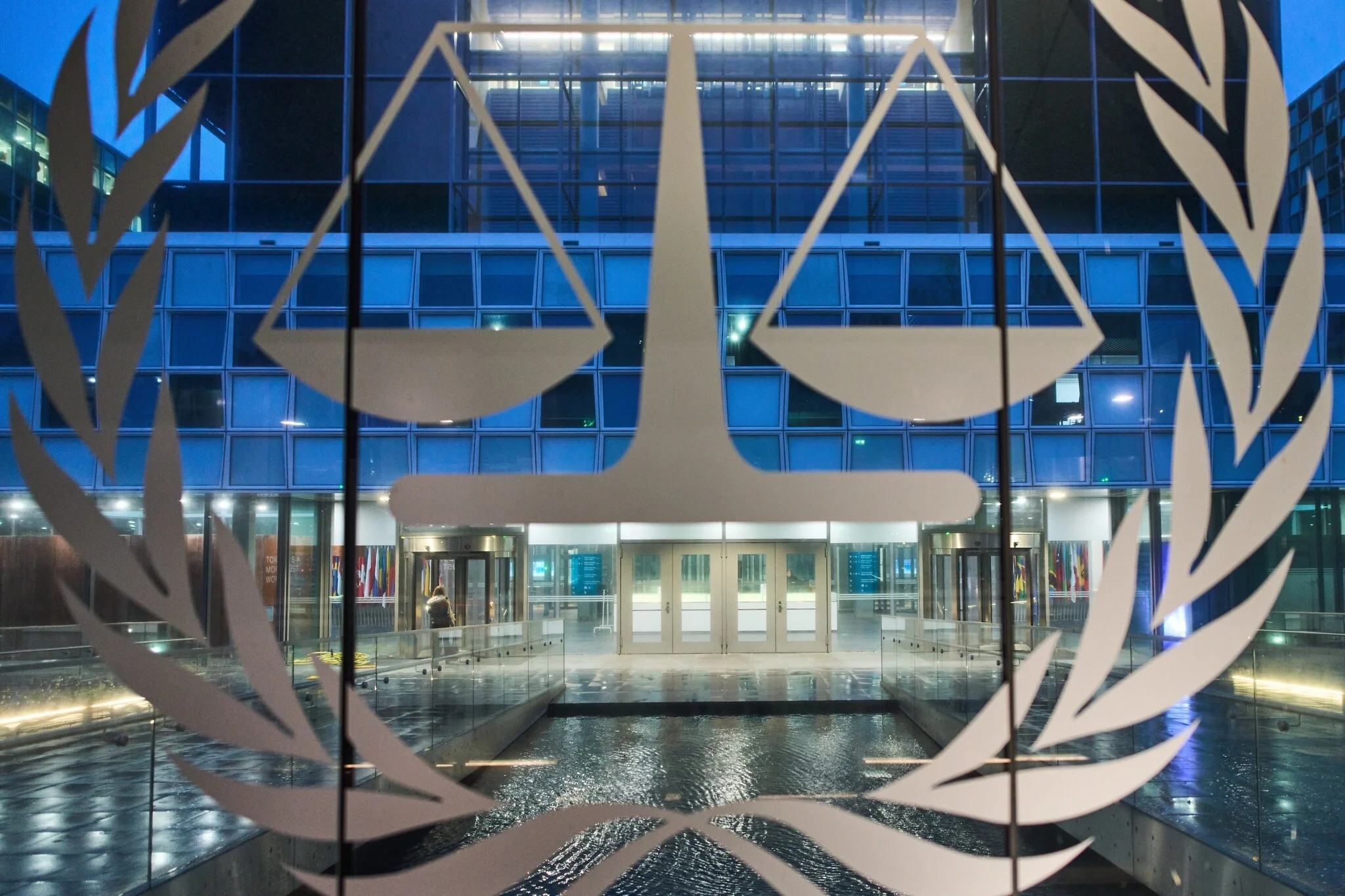
- The ICC was established under the Rome Statute, which entered into force in 2002, and is headquartered in The Hague, Netherlands.
- It is a court of last resort dealing with individuals accused of genocide, crimes against humanity, war crimes and the crime of aggression.
- The Court applies the principle of complementarity, under which domestic authorities retain the primary responsibility for investigating and prosecuting serious crimes.
- The ICC has no independent police force, making State cooperation essential to its functioning.
Current Developments
- U.S. Pressure
- In July 2026, U.S. Secretary of State Marco Rubio announced measures against what the U.S. administration described as a threat posed by the ICC to American sovereignty.
- The United States has also imposed sanctions on ICC personnel and organisations associated with the Court.
- The measures followed ICC actions concerning Israeli officials in relation to the Gaza conflict and investigations involving U.S. personnel in Afghanistan.
- Washington has also encouraged some ICC members with U.S. security ties to reconsider their participation.
- Withdrawal Plans
- Chad cited U.S. pressure while announcing its decision to withdraw.
- Burkina Faso, Mali and Niger, all governed by military juntas, have accused the ICC of selective justice and neo-colonialism.
- Venezuela has criticised the Court on grounds related to sovereignty and self-determination.
Legal Effect of Withdrawal
- Withdrawal from the Rome Statute is not retroactive. The Court can therefore continue examining crimes committed while its jurisdiction applied.
- The Philippines, which withdrew in 2019, illustrates this principle. ICC proceedings concerning alleged crimes linked to former President Rodrigo Duterte’s anti-drug campaign continued after withdrawal.
- The ICC’s investigation into alleged crimes by Venezuelan security forces is similarly not automatically terminated by Venezuela’s announced withdrawal.
Continuing Relevance
- Ukraine joined the ICC in 2025 after previously accepting its jurisdiction over crimes committed on its territory following the outbreak of hostilities with Russia in 2014.
- Ukraine’s participation demonstrates the continued use of the ICC framework by States seeking international accountability.
Challenges and Way Forward
| Challenges | Way Forward |
| Dependence on State cooperation: The ICC relies on national authorities for arrests, evidence and other assistance. | Strengthen State cooperation with ICC investigations and arrest requests. |
| Non-universal membership: Limited participation restricts the Court’s jurisdictional reach. | Encourage wider participation in the Rome Statute framework. |
| Political resistance: Powerful States can challenge the Court’s authority or restrict cooperation. | Promote greater institutional credibility and transparency to strengthen confidence in the Court. |
| Selectivity concerns: Some governments question the consistency of the Court’s actions across regions and situations. | Apply uniform legal standards and ensure independent and impartial investigations. |
| Limited enforcement capacity: The ICC lacks an independent enforcement mechanism. | Develop stronger institutional and inter-State mechanisms to support implementation of ICC decisions. |
Conclusion
The ICC’s credibility will ultimately depend on its ability to uphold impartial and consistent international justice while maintaining the cooperation necessary to enforce its mandate. Strengthening institutional legitimacy can help preserve its role in a fragmented global order.
FAQs
Q1. What is the principle of complementarity?
It means national courts have the primary role in dealing with serious international crimes, while the ICC generally intervenes when domestic authorities are unwilling or unable to genuinely prosecute.
Q2. Why does withdrawal from the ICC not erase earlier jurisdiction?
Withdrawal from the Rome Statute is not retrospective. Conduct that fell within the Court’s jurisdiction before withdrawal may therefore remain subject to proceedings.
Q3. Why does the ICC face an enforcement challenge?
The Court has no independent police force and depends on States to execute arrests, provide evidence and extend other forms of cooperation.
Q4. What is the legal basis of the ICC?
The Rome Statute established the Court and provides its legal and institutional framework. It entered into force in 2002.
Q5. Why is non-universal membership important?
Since not all States are parties to the Rome Statute, the ICC’s jurisdictional coverage is not universal.
Q6. Why is Ukraine significant in the ICC’s current context?
Ukraine joined the ICC in 2025, after previously accepting its jurisdiction over specified crimes committed on its territory following the 2014 hostilities with Russia.
Q7. What broader principle does the ICC seek to advance?
It seeks to establish that individuals can be held criminally responsible under international law for the gravest international crimes, regardless of their official position.