Context
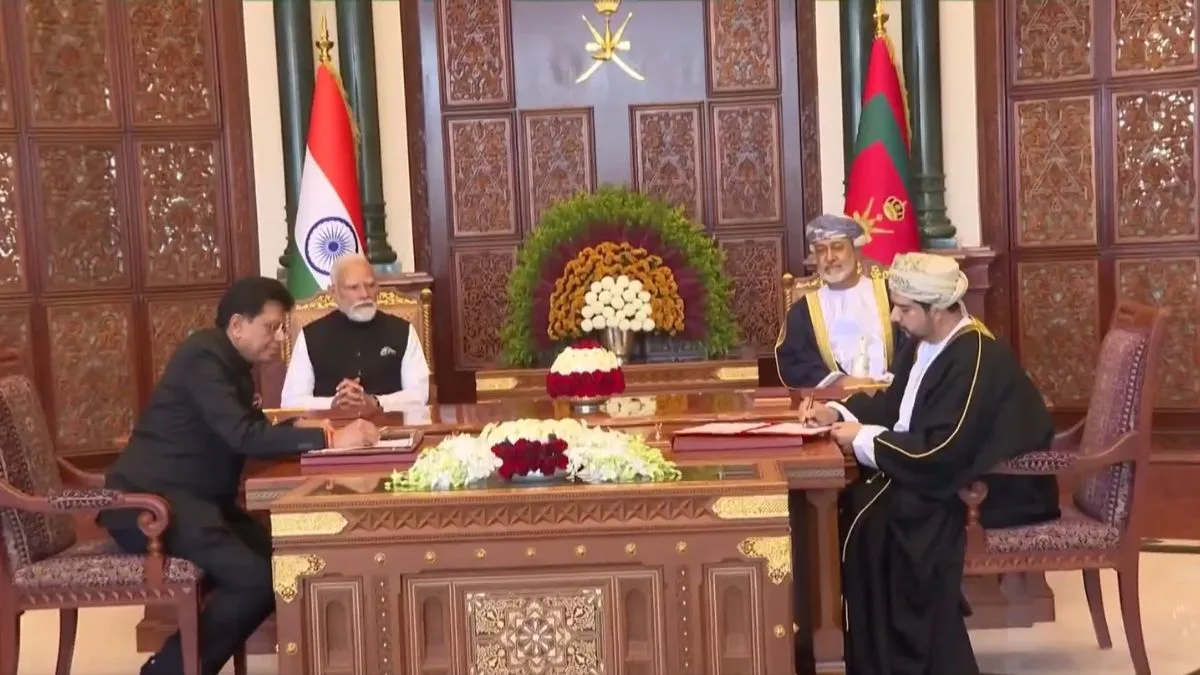
The India–Oman Comprehensive Economic Partnership Agreement (CEPA), signed in December 2025, has come into force amid disruptions in the Strait of Hormuz. The agreement is expected to strengthen India’s trade resilience, energy security, and connectivity with the Gulf region during a period of geopolitical uncertainty.
India–Oman Relations
India and Oman share longstanding maritime and commercial ties that have evolved into a comprehensive strategic partnership spanning trade, energy, defence, connectivity, and people-to-people relations.
Political and Strategic Cooperation
- Oman is India’s oldest strategic partner in the Gulf region.
- The two countries maintain regular high-level political engagement and strategic dialogue.
- Maritime security, defence cooperation, and anti-piracy operations are key areas of collaboration.
- India’s access to Duqm Port enhances its strategic presence in the western Indian Ocean.
- Both countries support regional stability and freedom of navigation.
Trade and Economic Relations
- Oman is an important economic partner of India in the Gulf.
- Bilateral trade reached about USD 11.18 billion in FY 2025–26.
- India imports crude oil, LNG, fertilisers, methanol, and ammonia from Oman.
- Major Indian exports include petroleum products, machinery, engineering goods, iron and steel products, rice, and ceramics.
- Economic cooperation is expanding into logistics, infrastructure, manufacturing, and investment.
Indian Diaspora
- Nearly 700,000 Indians reside in Oman, forming the country’s largest expatriate community.
- The diaspora plays an important role in strengthening bilateral ties.
India–Oman CEPA
The CEPA aims to deepen economic integration, expand market access, promote investments, and strengthen bilateral trade.
Key Features
- Duty-free access on nearly 98% of Oman’s tariff lines for Indian exports.
- Better market access for engineering goods, machinery, textiles, chemicals, and petroleum products.
- Promotion of investments and industrial cooperation.
- Greater trade facilitation and supply-chain integration.
- Diversification of economic engagement beyond the energy sector.
Significance of CEPA
- Trade Resilience
- The Strait of Hormuz is a critical global trade and energy route.
- Regional tensions have disrupted shipping and increased freight costs.
- CEPA strengthens India’s trade links with the Gulf and enhances supply-chain resilience.
- Connectivity
- Oman has major ports such as Duqm and Salalah located outside the Strait of Hormuz.
- These ports provide India with a reliable trade and logistics gateway during regional disruptions.
- Duqm Port supports India’s maritime outreach in the Indian Ocean and improves access to West Asia and Africa.
- Energy Security
- The agreement strengthens access to crude oil and LNG supplies.
- It ensures reliable imports of fertilisers, methanol, and ammonia.
- Diversified sourcing enhances India’s energy security amid geopolitical uncertainties.
- Export Opportunities
The agreement is expected to improve the competitiveness of Indian exports, particularly in:
- Engineering goods and machinery
- Petroleum products
- Iron and steel products
- Agricultural products
- Electronics and electrical equipment
- Chemicals and consumer goods
Future Prospects
- Greater utilisation of Duqm Port for trade and connectivity.
- Expansion of cooperation in renewable energy, green hydrogen, and petrochemicals.
- Increased bilateral investments and stronger supply-chain integration.
- Enhanced maritime security cooperation in the Indian Ocean region.
Conclusion
The India–Oman CEPA marks an important step in deepening bilateral relations. By strengthening trade, connectivity, and energy cooperation, it complements the broader strategic partnership between the two countries and reinforces India’s engagement with the Gulf region and the Indian Ocean.