Context
NITI Aayog released the India Electric Mobility Index (IEMI) 2025 to track the progress of electric mobility across States and UTs. Delhi topped the index, highlighting the growing focus on EV adoption and supporting infrastructure in India.
About India Electric Mobility Index
- It is a composite index by NITI Aayog and World Resources Institute (WRI) India that measures electric mobility performance across States and UTs.
- The 2025 edition is the second edition and covers 16 indicators under three areas:
-
- Transport Electrification – 50%: EV adoption and demand.
- Charging Infrastructure – 30%: Charging facilities, incentives, regulations and power availability.
- Research & Innovation – 20%: EV start-ups, R&D and patents.
- States and UTs are classified as:
- Top Performers: ≥65
- Frontrunners: 50–64
- Emerging Performers: 35–49
- Aspirants: <35
Key Findings
- Scores across 36 States and UTs ranged from 10–84, with a median of 40. Delhi topped the index with 84, followed by Maharashtra (78) and Karnataka (73).
- Madhya Pradesh showed the biggest improvement, rising from 23rd to 7th.
- Among large States, 8 were Frontrunners and 7 were Emerging Performers.
- Delhi, Chandigarh and Maharashtra were the only top performers in Transport Electrification.
- Karnataka led Charging Infrastructure with 97, while Delhi topped EV Research and Innovation with 94.
India’s EV Transition
- EV penetration rose from 0.5% in 2018 to 8.25% in 2025–26.
- Over 8.7 million EVs were on Indian roads, with nearly 2.5 million registrations in 2025–26, up 25% from the previous year.
- The transition is driven mainly by electric two-wheelers and three-wheelers.
Significance
- Energy Security: EVs can reduce crude oil imports and improve energy security.
- Climate Goals: Road transport contributes about 12% of India’s energy-related CO₂ emissions, making electrification important for emission reduction.
- Better Implementation: IEMI helps States identify gaps in EV adoption, charging infrastructure and policy implementation.
- Innovation: Tracking R&D, start-ups and patents supports the growth of India’s domestic EV technology ecosystem.
Challenges
- Uneven EV adoption: EV uptake varies widely across States.
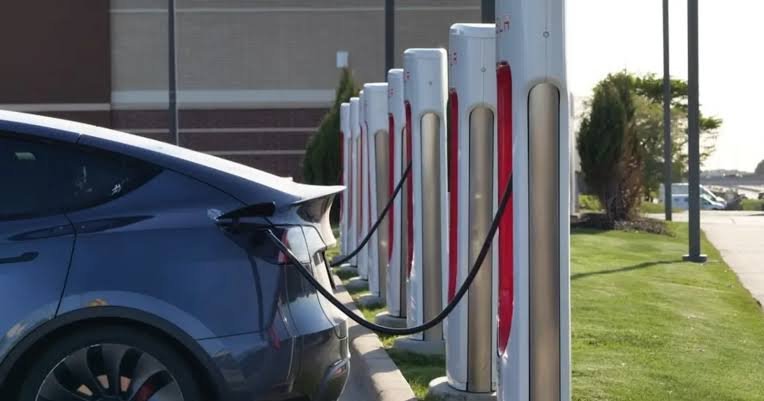
- Charging gaps: Many regions still lack adequate charging infrastructure, especially where settlements are dispersed.
- Infrastructure mismatch: Charging networks are expanding faster than EV adoption in some States.
- Limited innovation: R&D, start-ups and patents remain concentrated in a few States.
Way Forward
- Policy Implementation: Focus on effective execution of existing EV policies.
- Charging Network: Expand reliable charging infrastructure in underserved areas.
- Grid Readiness: Strengthen the power grid and include EV charging in urban planning and building rules.
- Innovation: Promote domestic R&D, start-ups and patents in EV technologies.
- State Benchmarking: Use IEMI to identify State-level gaps and share best practices.
FAQs
Q1. What is the India Electric Mobility Index?
Ans: IEMI is a composite index developed by NITI Aayog with WRI India. It evaluates the policy and implementation performance of States and UTs in electric mobility.
Q2. Which State topped IEMI 2025?
Ans: Delhi ranked first with 84 points.
Q3. What are the three dimensions of IEMI?
Ans: The index measures Transport Electrification Progress (50%), Charging Infrastructure Readiness (30%), and EV Research and Innovation (20%).
Q4. Which State performed best in charging infrastructure?
Ans: Karnataka recorded the highest score of 97, followed by Goa (92) and Maharashtra (91).