Context
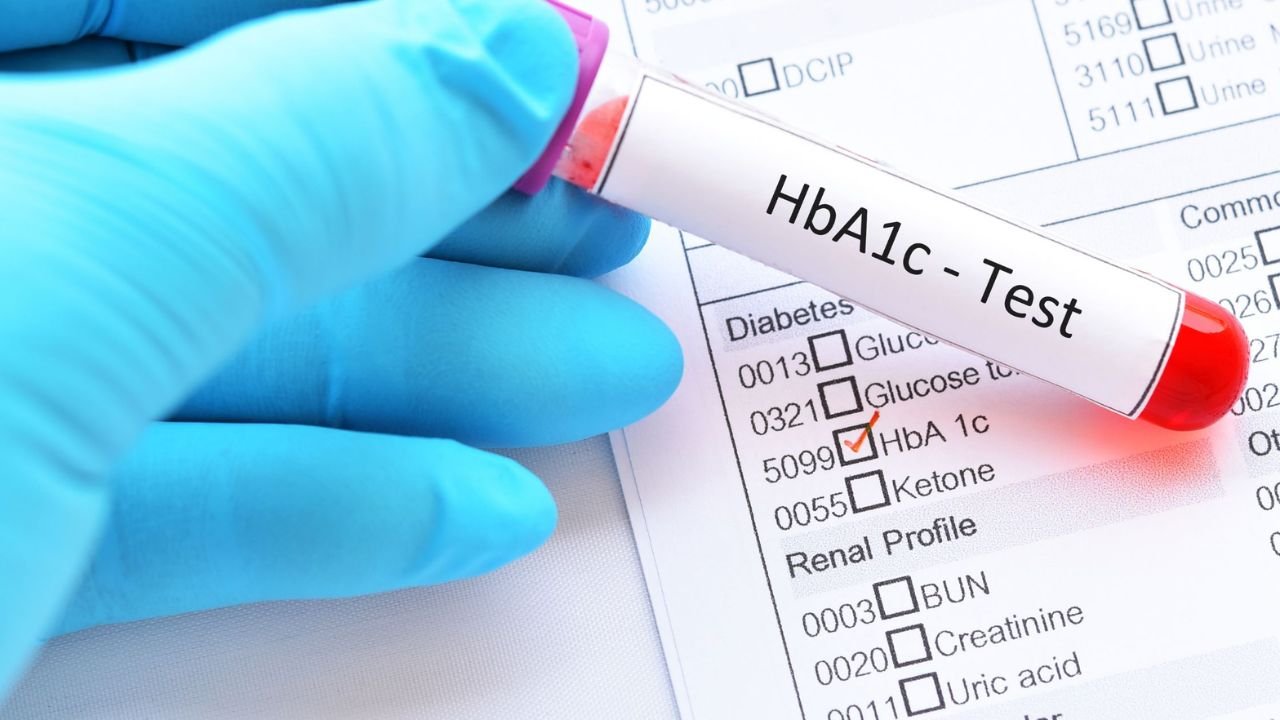
A recent study suggests that Glycated Hemoglobin (HbA1c), the standard laboratory test for detecting Type-2 diabetes in India, may not always accurately reflect real-time blood glucose levels.
What is the HbA1c Test?
- Function: A blood test that measures the average blood glucose (sugar) level over the past two to three months.
- The Process: Glucose in the bloodstream naturally sticks to hemoglobin, a protein found in Red Blood Cells (RBCs).
- Measurement: The test calculates the percentage of RBCs that have glucose-coated hemoglobin. Higher blood sugar leads to a higher percentage of glycated hemoglobin.
Why 3 Months?
The HbA1c test provides a long-term “snapshot” rather than a daily reading because:
- Attachment: Once glucose sticks to hemoglobin, it stays there for the entire lifespan of the cell.
- Lifespan: Red Blood Cells live for approximately 120 days (around 3-4 months).
Diabetes and its Impact on health
Insulin is the hormone that moves glucose from the blood into cells for energy. In diabetes, the body either lacks insulin or cannot use it effectively, causing blood sugar levels to rise.