Context
Rising trading volumes in Futures and Options (F&O) indicate growing participation in India’s derivatives market, especially among retail investors.
What is a Derivative?
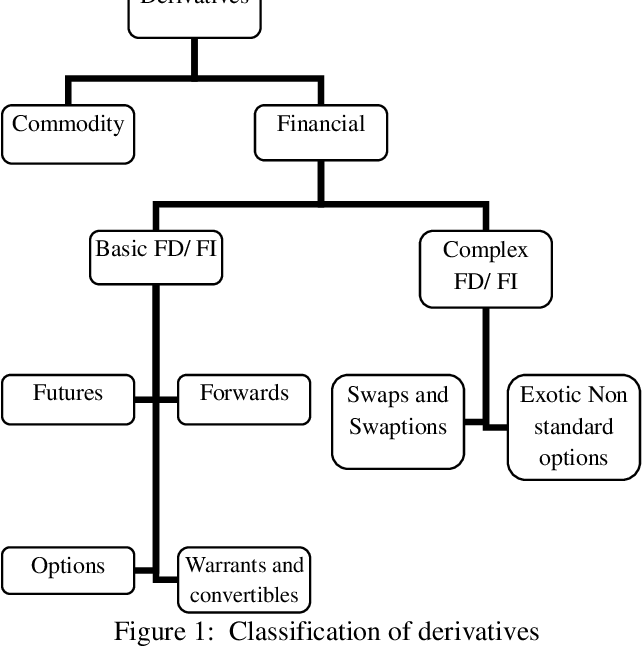
- A derivative is a financial contract whose value is derived from an underlying asset (like Shares of companies, stock indices (like Nifty 50), commodities (gold, crude oil), currencies (USD/INR) and bonds and interest rates)
- Derivatives generally do not involve ownership of the underlying asset. They are based on expected future prices.
- Purpose of Derivatives: Derivatives are mainly used for:
- Hedging – reducing price risk
- Price discovery – future prices reflect market expectations
- Speculation – profiting from price movements
- Arbitrage – exploiting price differences across markets
Types of Derivatives: Futures and Options
Futures Contracts
- A Futures contract is a legally binding agreement where the buyer agrees to purchase, and the seller agrees to sell an underlying asset at a fixed price on a future date.
- Key Features
- Standardised and exchange-traded: Futures contracts are not customised between two individuals. They are standard contracts traded on recognised exchanges like NSE and BSE, ensuring transparency and regulatory oversight.
- Margin deposit required: Both buyer and seller must deposit an initial margin (a fraction of total contract value) to reduce default risk. This makes futures a leveraged instrument.
- Daily settlement (Mark-to-Market system): Profits and losses are calculated daily based on price changes and adjusted in traders’ accounts. This prevents accumulation of large unpaid losses.
- Two positions: Long and Short
- Long position → Investor expects price to rise and agrees to buy in future.
- Short position → Investor expects price to fall and agrees to sell in future.
- Risk–Return Profile: Both parties face symmetrical risk as gains and losses can be unlimited.
Options Contracts
- An Options contract is a derivative instrument that gives the buyer a right, but not an obligation, to buy or sell an underlying asset at a predetermined price (called strike price) on or before a specified date.
- Only the seller (writer) of the option is legally obligated to honour the contract if the buyer exercises the option.
- This is the fundamental difference from futures.
- Types:
- Call Option: A Call option gives the buyer the right to buy the underlying asset at the strike price.
- The buyer expects prices to rise.
- Sellers expect prices to remain stable or fall.
- Put Option: A Put option gives the buyer the right to sell the underlying asset at the strike price.
- The buyer expects prices to fall.
- Sellers expect prices to remain stable or rise.
- Call Option: A Call option gives the buyer the right to buy the underlying asset at the strike price.
- Key Features
- Buyer pays a premium
- Buyer has limited risk
- Seller earns premium but carries higher risk
Regulation of Futures and Options in India
- India’s derivatives market is regulated by the Securities and Exchange Board of India (SEBI).
- Trading mainly takes place on:
- National Stock Exchange of India
- Bombay Stock Exchange
- These exchanges provide:
- Standardised contracts
- Margin frameworks
- Daily settlement systems
- Risk management mechanisms
Why Futures and Options Matter
- Help manage price volatility
- Improve price discovery
- Provide liquidity
- Enable transfer of risk from hedgers to speculators
- Enhance overall market efficiency
- They are especially useful for businesses and investors exposed to commodity, currency, or equity price fluctuations.
Conclusion
Futures and Options are central to modern capital markets by enabling hedging, liquidity, and price discovery. However, rising retail participation requires stronger regulation and financial literacy so that derivatives support economic stability rather than fuel excessive speculation.