Context
Recent research has shown that the bacteria causing scarlet fever existed in the Americas even before European contact, based on DNA evidence from ancient remains.
About Scarlet Fever
- Also called scarlatina, it is a bacterial infection caused by group A streptococci, the same organisms responsible for strep throat and certain skin infections.
- Vulnerable Group: Children between 5-15 years of age, making it a common childhood illness.
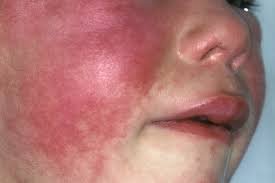
- Main Symptoms: Characteristic red rash, along with sore throat and high fever.
- Other symptoms: Strawberry-like tongue, headache, abdominal pain, nausea, vomiting, swollen glands, and muscle aches, making the condition visibly and physically severe. If not treated in time, it can lead to serious complications affecting the heart, kidneys, and other organs.
- Highly Contagious: Can spread via respiratory droplets from coughing or sneezing, and individuals can get infected more than once as there is no vaccine available.
- Treatment involves antibiotics such as penicillin, which reduce symptoms quickly, but completing the full course is essential to eliminate the infection completely.