| Important Questions for UPSC Prelims / Mains / Interview
1. What is the recent legal controversy surrounding frozen embryo donation in India? 2. What does the Assisted Reproductive Technology (ART) Act, 2021 allow and prohibit with respect to embryos? 3. Why do surplus frozen embryos arise in IVF procedures, and how does the law regulate them? 4. How does the law treat fresh donor embryos and frozen embryos differently, and why is this controversial? 5. What constitutional issues under Articles 14 and 21 have been raised against the embryo donation ban? 6. Why is the compulsory destruction of viable embryos a central ethical concern in this case? 7. How does the restriction on embryo donation affect infertile couples in India? 8. What broader policy and ethical questions does this case raise for reproductive governance in India? |
Context
The Delhi High Court has issued notice on a Public Interest Litigation challenging provisions of the ART Act, 2021 and its Rules that prevent the donation of unused frozen embryos to infertile couples.
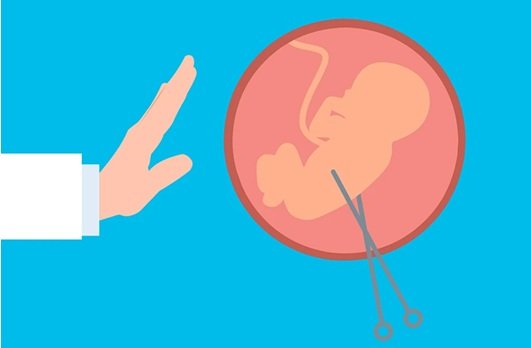
While the law allows donor sperm and donor egg IVF, it mandates that unused frozen embryos be either donated for research or “allowed to perish” after 10 years. The case raises important questions about equality, reproductive autonomy, ethics, and access to assisted reproduction.
Q1. What is the recent legal controversy surrounding frozen embryo donation in India?
- A PIL before the Delhi High Court challenges restrictions on frozen embryo donation.
- The petition questions why viable embryos must be destroyed instead of donated.
- It highlights that donation is barred even when all parties consent.
- The challenge focuses on provisions of the ART Act and Rules.
- The plea argues the restriction is ethically irrational.
- It also points to inconsistency within the law itself.
- The court has issued notice, indicating judicial scrutiny.
Q2. What does the Assisted Reproductive Technology (ART) Act, 2021 allow and prohibit with respect to embryos?
- The ART Act permits altruistic donation of sperm and eggs.
- It allows donor-assisted and double-donor IVF procedures.
- In such cases, the child has no genetic link to parents.
- The law recognises this form of non-genetic parenthood.
- However, it prohibits donation of surplus frozen embryos.
- Frozen embryos cannot be transferred to another couple.
- Their use is limited to storage, research, or destruction.
Q3. Why do surplus frozen embryos arise in IVF procedures, and how does the law regulate them?
- IVF procedures create multiple embryos to increase success rates.
- Not all embryos are implanted in one cycle.
- Extra embryos are cryopreserved for future use.
- Many couples later decide not to use them.
- The law allows storage for up to 10 years.
- After this period, embryos must be disposed of or donated for research.
- Donation for pregnancy is not permitted.
Q4. How does the law treat fresh donor embryos and frozen embryos differently, and why is this controversial?
- Fresh embryos created using donor sperm and eggs can be transferred.
- Such embryos may have no genetic link to parents.
- Frozen embryos are biologically identical once thawed.
- Success rates of frozen embryo transfers are comparable.
- Despite this, frozen embryos cannot be donated.
- This creates a legal inconsistency.
- The petition calls this a double standard without justification.
Q5. What constitutional issues under Articles 14 and 21 have been raised against the embryo donation ban?
- Article 14 guarantees equality before law.
- The petition argues the distinction is arbitrary.
- Both fresh and frozen embryos are biologically similar.
- Yet, they are treated unequally under the law.
- Article 21 protects dignity, privacy, and autonomy.
- Reproductive choice is part of personal liberty.
- The ban restricts this autonomy without sufficient reason.
Q6. Why is the compulsory destruction of viable embryos a central ethical concern in this case?
- The law requires embryos to perish after 10 years.
- This applies even if recipient couples are willing.
- Viable embryos are treated as waste.
- The plea calls this ethically irrational.
- It contradicts the goal of supporting infertility treatment.
- It ignores potential social benefit.
- The issue raises moral questions about life and choice.
Q7. How does the restriction on embryo donation affect infertile couples in India?
- Infertility affects millions of couples in India.
- IVF is expensive and often requires multiple cycles.
- Traditional adoption involves long waiting periods.
- Embryo donation could offer an alternative pathway.
- The ban reduces available reproductive options.
- Wealthier couples seek services abroad.
- This creates inequality based on economic capacity.
Q8. What broader policy and ethical questions does this case raise for reproductive governance in India?
- The case questions coherence of reproductive laws.
- It highlights gaps between ethics and regulation.
- It raises issues of consent and autonomy.
- It challenges how the law values embryos.
- It exposes inequality in access to healthcare.
- It calls for balancing safety with choice.
- It may prompt legislative reconsideration of ART norms.
Conclusion
The frozen embryo donation case brings to the forefront ethical reasoning, constitutional values, and reproductive justice in India’s assisted reproduction framework.
While the ART Act seeks regulation and safety, its rigid restrictions may undermine equality, autonomy, and access for infertile couples.
A carefully regulated embryo donation framework could reconcile medical ethics, individual choice, and social need, ensuring that viable embryos are treated not as waste, but as potential sources of hope for families.