Important questions for UPSC Pre/ Mains/ Interview:
|
Context
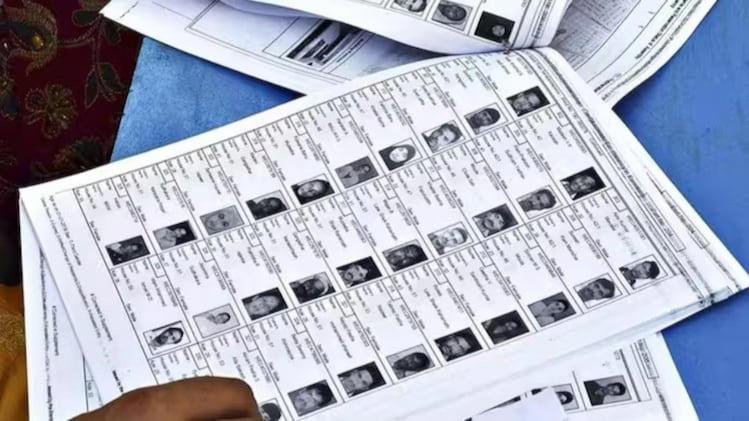
Ahead of electoral roll freezing for the West Bengal elections, allegations have emerged regarding large-scale submission of Form 6 applications, raising concerns about electoral integrity, duplicate enrollment, and demographic manipulation.
Q1. What is Form 6 and its purpose?
- It is the official form for new voter enrollment.
- It is governed by the Registration of Electors Rules, 1960.
- It is submitted to the Electoral Registration Officer (ERO).
- Function: Entry point into electoral rolls
- Includes: Self-declaration + basic document verification
Q2. What is the role of the Electoral Registration Officer (ERO)?
- Appointed by the Election Commission in consultation with the state government.
- Responsibilities include maintaining electoral rolls, accepting new applications, processing deletions and conducting hearings on objections.
- Final authority: Inclusion/exclusion of voters
Q3. What are the eligibility criteria and process to be enrolled as the new voter?
- As per Article 326 of the Constitution, he/she must be an Indian citizen with age ≥ 18 years.
- Key issue: No mandatory documentary proof of citizenship as it is based on self-declaration.
- Verification: Conducted by Booth Level Officer (BLO)
- Final decision: Taken by ERO after scrutiny
Q4. How are electoral rolls updated?
- Special Summary Revision (SSR): Periodic large-scale updates
- Continuous Updation: Ongoing process (except election window)
- Additional step: Supplementary list before elections
- Safeguard: 7-day objection window for public scrutiny
Q5. What are the recent allegations in West Bengal?
- Massive surge: ~30,000 Form 6 applications in 6–7 hours
- Concerns: Possible procedural violations
- Rule: Booth Level Agents can submit only 50 forms/day
- Allegations: Inclusion of voters from other states (Bihar, UP)
- Legal issue: Duplicate enrollment violates Representation of the People Act, 1950.
Q6. What are the administrative and legal concerns?
- Administrative: Sudden surge raises transparency issues and verification challenges.
- Legal: Duplicate entries are illegal under electoral laws. Citizenship verification is weak due to the self-declaration model.
- Institutional: Role clarity:
- CEO forwards complaints
- ERO takes final decision
Q7. What are the implications and way forward?
- Implications:
- Risk to electoral integrity and free and fair elections.
- Potential political and legal disputes
- Way Forward:
- Strengthen verification mechanisms
- Improve digital tracking of applications
- Ensure transparency in enrolment process
- Enhance inter-state voter database coordination
Conclusion
The Form 6 controversy highlights critical challenges in India’s electoral system, particularly around verification, transparency, and duplication risks. Strengthening institutional safeguards is essential to uphold the credibility of electoral rolls and democratic processes.