Important questions for UPSC Pre/ Mains/ Interview:
|
Context
The issue of women farmers has gained attention as the world celebrates International Women’s Day, and 2026 has been declared the International Year of the Woman Farmer.
Q1. What is meant by the feminization of agriculture?
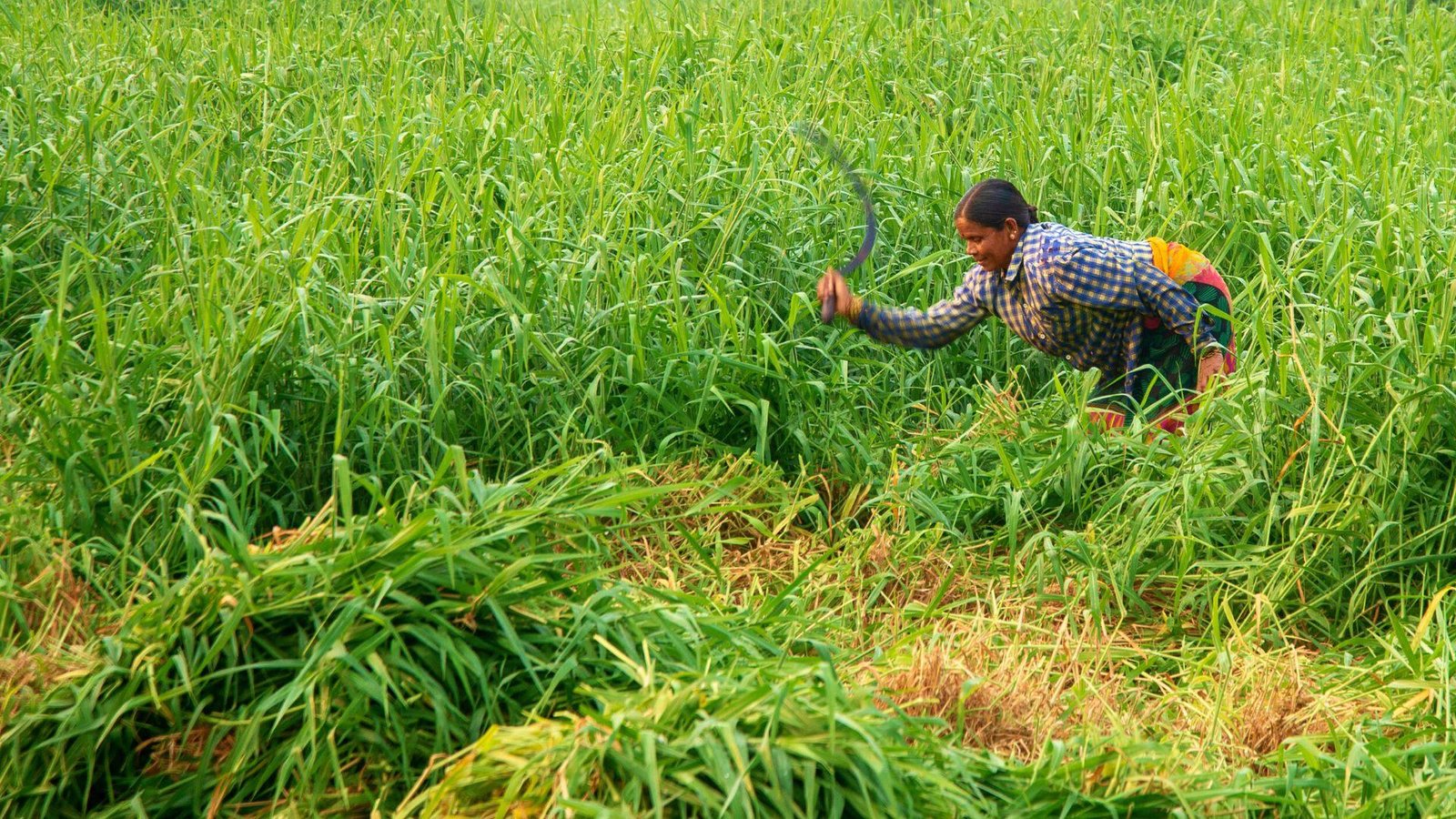
- Feminization of agriculture refers to the increasing participation and responsibility of women in agricultural activities, especially in rural areas.
- Key data highlights this trend:
- According to the Periodic Labour Force Survey 2023–24, over 70% of rural women workers are engaged in agriculture.
- Women constitute about 33% of India’s agricultural workforce.
- The Economic Survey of India 2017–18 noted that India is experiencing a growing feminization of agriculture.
- This means women increasingly perform farming activities and manage agricultural households.
Q2. What are the major causes of feminization of agriculture?
- Male Out-Migration: Many men migrate from rural areas to cities due to better employment opportunities in the industrial and service sectors. As a result, women remain in villages and take responsibility for farming activities.
- Agrarian Distress and Poverty: Low farm incomes and instability in agriculture force rural households to depend on women’s labour. Women engage in subsistence farming and animal husbandry to support household livelihoods.
- Mechanization of Agriculture: Mechanization has replaced several traditional farm tasks that were earlier performed by men. Consequently, men move to non-farm employment, while women continue activities such as sowing, weeding, harvesting, and livestock rearing.
- Limited Mobility of Rural Women: Many rural women have lower levels of education and carry significant family responsibilities. These factors restrict their ability to migrate to urban areas, leaving them engaged primarily in agricultural work.
Q3. What is the role of the National Food Security system?
- The National Food Security Act 2013 aims to ensure food access for vulnerable populations.
- Coverage: 75% of the rural population and 50% of the urban population. Overall coverage of about 67% of India’s population
- Entitlements:
- Priority households: 5 kg of food grains per person per month
- Antyodaya Anna Yojana households: 35 kg of food grains per family per month
- The food grains supplied include rice, wheat, and coarse cereals.
- However, the system is largely cereal-centric, with limited distribution of pulses, millets, and protein-rich foods, which are important for nutritional security.
Q4. What are the challenges that women farmers face in India and what steps can be taken to overcome these challenges?
| Challenges | Way Forward |
| 1. Lack of land ownership: Women own only 11–13% of agricultural land according to the Agriculture Census 2015–16, which limits their legal recognition as farmers. | Ensure land and inheritance rights: Promote equal inheritance rights, raise awareness of legal entitlements, and encourage joint land titles for spouses to improve access to schemes. |
| 2. Limited access to institutional support: Due to absence of land titles, women face difficulty accessing institutional credit, crop insurance, irrigation schemes, and agricultural subsidies. | Legal recognition of women farmers: Adopt the definition of farmer under the National Policy for Farmers 2007, which recognises farmers based on agricultural activity rather than land ownership. |
| 3. Dual work burden: Women perform both productive work (farming and livestock activities) and reproductive work (childcare, household tasks, and elderly care). | Community-based support systems: Promote Self-Help Groups (SHGs), kitchen gardens, women seed banks, and local food planning, which strengthen collective support and reduce workload pressures. |
| 4. Health and nutritional challenges: According to NFHS-5, around 50% of women of reproductive age are anaemic, showing poor nutritional access despite their role in food production. | Improve nutritional security: Diversify food distribution through PDS, Anganwadi centres, and Midday Meal schemes by including pulses, millets, eggs, and other nutrient-rich foods. |
| 5. Limited access to knowledge and technology: Women farmers often lack access to agricultural information and modern technology. | Improve access to technology and information: Provide weather forecasts, soil health data, crop advisory services, and extension training tailored for women farmers. |
| 6. Gender gaps in agricultural policy and institutional support: Women’s needs are often not reflected adequately in agricultural programs. | Gender-sensitive agricultural policies: Include gender-disaggregated data, women-focused schemes, and targeted training and extension services for women farmers. |
Q5. What are the implications of empowering women farmers?
- Empowering women farmers can lead to:
- Improved food security
- Better nutrition outcomes
- Increased agricultural productivity
- Stronger rural economies
- Women also preserve traditional agricultural knowledge, which is important for sustainable farming systems.
Conclusion
Empowering women farmers must go beyond symbolic recognition. Women need legal recognition, institutional support, and equal opportunities in agriculture. As emphasized by agricultural scientist M. S. Swaminathan, women play a critical role in ensuring food security. Recognizing and empowering them is essential for building a more equitable, resilient, and food-secure India.