Important Questions for UPSC Prelims, Mains and Interview
|
Context
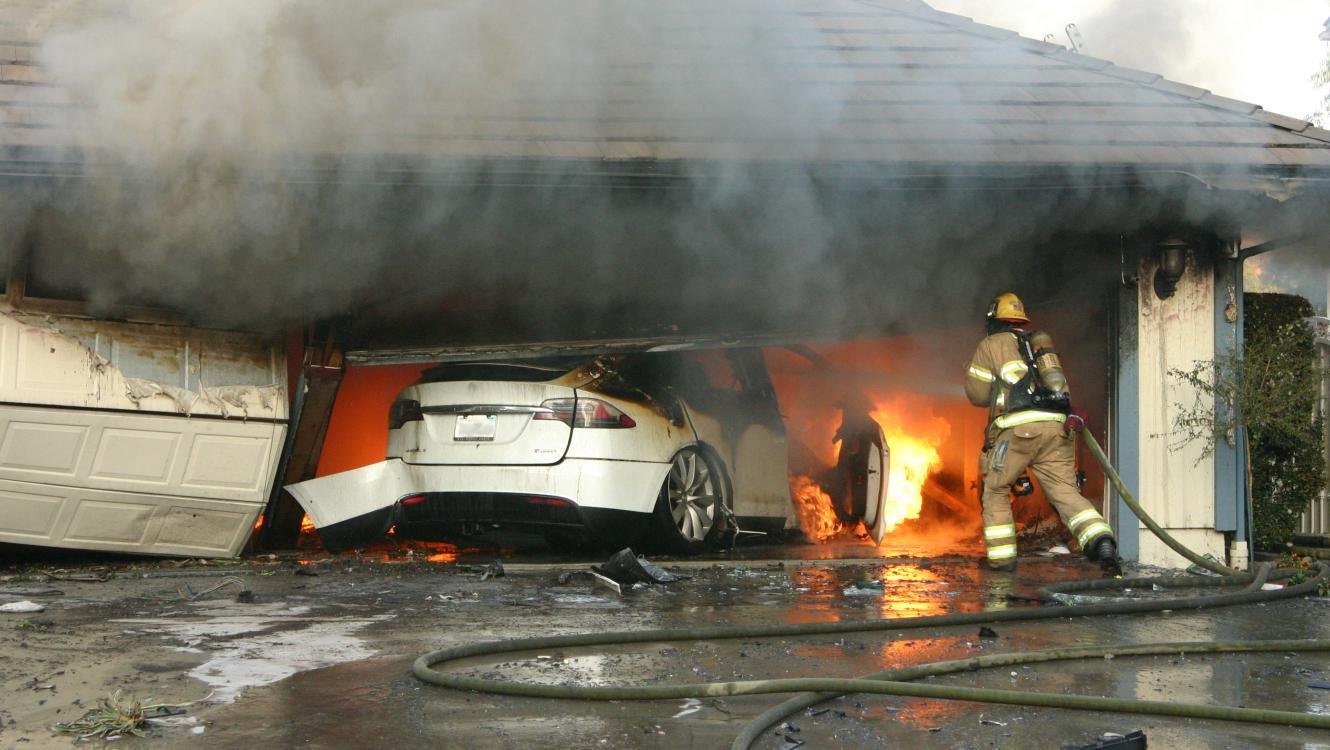
A major fire incident in Indore recently led to multiple deaths and is suspected to have started from an EV charging point. This has raised concerns about the safety of electric vehicle (EV) batteries and charging systems.
Q1. What makes EV batteries efficient yet potentially risky?
- Most EVs use lithium-ion batteries, which provide high energy density and efficiency.
- These batteries are generally safe due to the presence of a Battery Management System (BMS) that controls temperature and monitors charging & discharging.
- However, failures, though rare, can lead to serious hazards.
Q2. What is thermal runaway and why is it dangerous?
- Thermal runaway is a condition where one battery cell overheats, the heat spreads to nearby cells, starting a chain reaction which exceeds the system’s cooling capacity.
- This leads to intense fires and release of flammable and toxic gases (e.g., hydrogen fluoride).
- Such fires are harder to control and more hazardous than conventional fires.
Q3. What causes thermal runaway in EV batteries?
- Physical damage: Impacts (especially under the vehicle) can damage battery cells and cause internal short circuits.
- Overcharging or faulty chargers: Using unsafe or third-party chargers can destabilize the battery.
- Manufacturing defects: Internal flaws may create unintended connections, leading to overheating.
- Weak electrical infrastructure: Poor wiring or overloaded circuits can increase fire risk during charging.
Q4. How do external conditions increase EV battery risks?
- High temperatures: Heat stress (common in Indian summers) strains battery cooling systems.
- Battery ageing: Older batteries are more prone to internal damage and instability.
- Flood exposure: Water ingress can cause short circuits, sometimes triggering fires days later.
- Surrounding risks: Nearby LPG cylinders, vehicles, or power failures can worsen fire incidents.
Q5. How do EV fires differ from petrol vehicle fires?
- EVs are not more prone to fires than petrol vehicles overall.
- However, EV battery fires:
- Burn hotter and spread faster
- Are difficult to extinguish (require large amounts of water or special methods)
- Can reignite due to internal chemical reactions
Q6. What measures are being taken to improve EV battery safety?
- Technological Improvements:
- Advanced cooling systems to manage sudden heat spikes
- Development of solid-state batteries with lower fire risk
- Improved internal fire barriers to prevent spread between cells
- User-Level Precautions:
- Use manufacturer-approved chargers only
- Avoid unsafe or unattended overnight charging
- Ensure proper home electrical capacity
- Check batteries after accidents or impacts
- Allow batteries to cool before charging
Q7. What regulatory steps has India taken?
- The Bureau of Indian Standards updated EV safety norms in 2023.
- Under AIS-156 standards:
- Batteries must undergo heat propagation tests
- Systems must allow at least 5 minutes for passenger evacuation during fire incidents
Conclusion
EV batteries are generally safe and essential for clean mobility, but risks like thermal runaway require strong safety standards, better technology, and responsible usage to prevent accidents.