Context
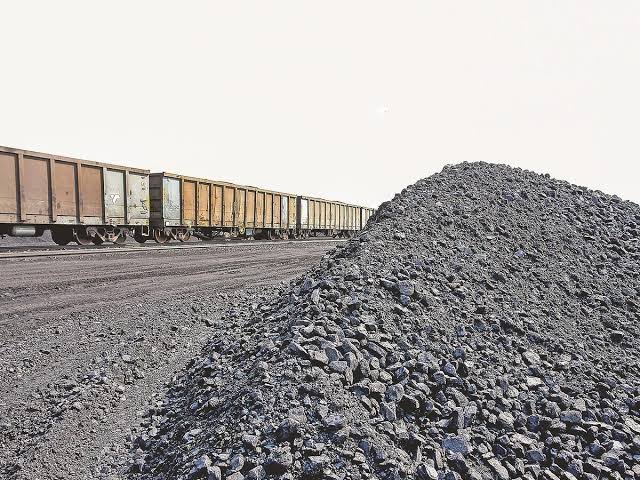
The Central Electricity Authority (CEA) has flagged critically low coal stocks at 85 of 191 thermal power plants, highlighting concerns over fuel availability and power supply security amid elevated electricity demand.
About Coal Stock in Thermal Power Plants
- The CEA monitors coal supply and stock levels at thermal power plants through its Fuel Management Division.
- A plant is classified as having critically low coal stock when:
- coal stock is below 25% of the normative requirement, or
- available coal is sufficient for less than three days of generation.
- Normative stock refers to the coal inventory that a plant is expected to maintain to meet its generation requirements.
Power Demand and Coal Dependence
- Rising Demand: India recorded an all-time peak power demand of 270.8 GW, increasing the need for reliable electricity supply.
- Continued Coal Dependence: Coal-based thermal power remains a major source of electricity generation despite the expansion of non-fossil capacity.
- Peak-Hour Role: Coal-based plants supplied around 75% of total generation during non-solar peak-demand hours in April–June 2026, highlighting their role in meeting demand when solar generation is unavailable.
Installed Capacity vs Actual Generation
- Installed Capacity: Maximum electricity-generating capacity of power plants under suitable conditions.
- Capacity ≠ Generation: A source with a high installed-capacity share may not contribute an equivalent share of actual electricity generation.
- Coal’s Role: Coal-based plants provide continuous and dispatchable power, while solar and wind output varies with resource availability.
- India’s Power Mix: Non-fossil sources can have a high capacity share, while coal may still account for a much larger share of actual electricity generation.
Challenges
- Coal Supply Constraints: Disruptions in coal production, transportation or logistics can leave thermal plants with inadequate stocks.
- Rising Peak Demand: Increasing electricity consumption, especially during heatwaves and high cooling demand, puts additional pressure on available generation.
- Thermal Power Dependence: Heavy reliance on coal for actual generation creates fuel-security risks despite the growth of non-fossil capacity.
- Renewable Variability: Fluctuating solar and wind generation makes it difficult to maintain a stable power supply without adequate flexible generation and energy storage. Top of Form
Way Forward
- Improve Coal Logistics: Strengthen coal supply and railway transportation to maintain adequate plant-level stocks.
- Strengthen Stock Monitoring: Use real-time inventory monitoring to identify shortages and plan fuel requirements.
- Expand Energy Storage: Scale up Battery Energy Storage System (BESS), pumped-storage hydropower and flexible generation to manage demand and renewable variability.
- Ensure Reliable Transition: Expand renewable energy while retaining sufficient firm generation capacity for grid stability.
FAQs
Q1. What is critically low coal stock in a thermal power plant?
Ans. It means coal stock is below 25% of the normative requirement or sufficient for less than three days of generation.
Q2. What is installed capacity?
Ans. It is the maximum electricity-generating capacity of a power plant under suitable operating conditions.
Q3. Why does coal remain important despite rising non-fossil capacity?
Ans. Coal-based plants provide firm and dispatchable power, while solar and wind generation varies with resource availability.
Q4. Why are adequate coal stocks important for power security?
Ans. They help thermal plants maintain continuous electricity generation during periods of high demand or renewable variability.