Context
- A recent 12-week study involving middle-aged adults found that creatine supplementation improved lean tissue mass, muscle strength and endurance, including among participants without a structured exercise programme.
Creatine: Sources, Storage and Role in Muscle Energy
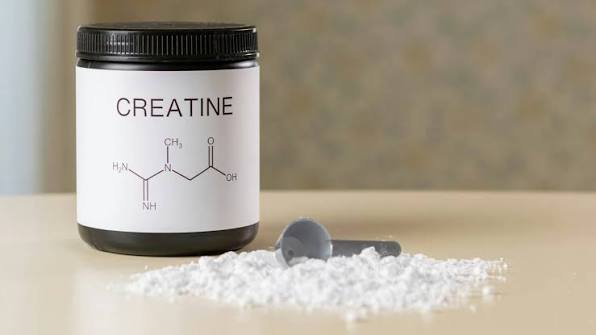
- Creatine is a naturally occurring nitrogen-containing compound involved in rapid energy supply to muscles.
- The body obtains creatine from dietary sources such as red meat and seafood and also synthesizes it from arginine, glycine and methionine.
- About 95% of the body’s creatine is stored in skeletal muscles, with smaller amounts present in other tissues.
- In muscles, much of it is stored as phosphocreatine, which helps rapidly regenerate ATP, the immediate energy source for muscle contraction.
- Creatine monohydrate is the most widely used and extensively studied supplemental form.
New Evidence for Muscle Health in Middle Age
- The recent study examined healthy sedentary adults aged 45–65 years over a 12-week period.
- Creatine supplementation was associated with gains in lean tissue mass, muscular strength and endurance, including among participants without structured exercise.
- The findings suggest a possible role in preserving muscle mass, physical function and healthy ageing as age-related muscle decline begins.
- This is relevant to sarcopenia, the age-related loss of muscle mass and strength that can reduce mobility and functional independence in older adults.
- However, the study was small and short-term, so creatine should not be viewed as a substitute for regular physical activity or resistance exercise.
- Larger and longer studies are needed to confirm the durability and wider applicability of these benefits.
FAQs
Q1. What is creatine?
Creatine is a naturally occurring compound involved in rapid energy supply to muscles.
Q2. Where is most creatine stored in the body?
About 95% is stored in skeletal muscles.
Q3. In what form is creatine mainly stored in muscle?
It is largely stored as phosphocreatine.
Q4. What is sarcopenia?
Sarcopenia is the age-related loss of muscle mass and strength.
Q5. What did the recent study suggest?
It suggested that creatine may improve lean tissue, strength and endurance in middle-aged adults, though larger studies are needed.