Context
Authorities will undertake spatial mapping and field verification of military installations within the Changthang Cold Desert Wildlife Sanctuary, Ladakh, in coordination with the police and defence authorities.
About Changthang Wildlife Sanctuary
- Location: Situated on the Changthang Plateau in Ladakh, in the Leh region.
- Area: Covers nearly 4,000 sq. km.
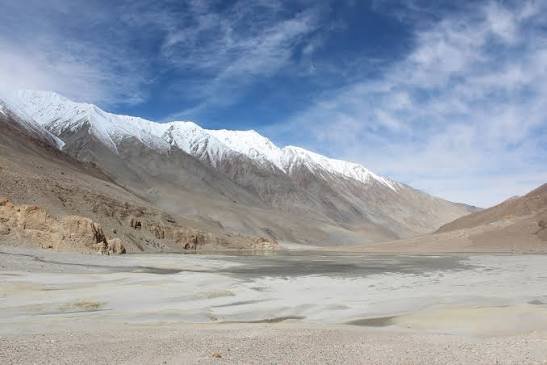
- Terrain: A high-altitude cold desert at 14,000–19,000 feet, marked by vast plateaus and deep gorges.
- Lakes: Includes Tso Moriri, Pangong Tso and Tso Kar, major high-altitude lakes.
- Community: Traditionally inhabited by Changpa nomadic pastoralists, who rear yaks, goats and sheep.
Ecological Significance
- Flora: Supports nearly 200 species of wild plants, providing food for wildlife.
- Key Species: Important habitat for Snow Leopard, Kiang (Tibetan Wild Ass) and Black-necked Crane.
- Other Fauna: Includes Tibetan Wolf, Wild Yak, Bharal, Brown Bear, Tibetan Argali, Tibetan Gazelle and Marmot.
- Birdlife: Supports high-altitude birds such as Brahminy Duck and Brown-headed Gull.
Socio-Cultural Significance
- Changpa Community: Practises traditional nomadic pastoralism in the region.
- Cultural Heritage: The area reflects strong Tibetan Buddhist traditions.
- Korzok Village: A high-altitude settlement known for the Korzok Monastery.
FAQs
Q1. Where is Changthang Wildlife Sanctuary located?
Ans: It is located on the Changthang Plateau in Ladakh, in the Leh region.
Q2. Which major lakes are associated with the sanctuary?
Ans: Tso Moriri, Pangong Tso and Tso Kar are major high-altitude lakes in the region.
Q3. Which pastoral community is associated with Changthang?
Ans: The Changpa are nomadic pastoralists traditionally engaged in rearing yaks, goats and sheep.
Q4. What type of ecosystem is found in Changthang?
Ans: It is a high-altitude cold desert ecosystem characterised by vast plateaus, deep gorges and sparse vegetation.