Context
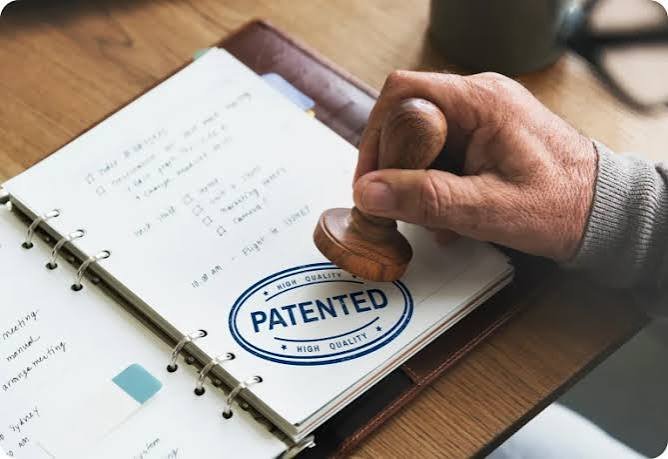
The Indian Patent Office recently rejected TB Alliance’s patent application covering the BPaL drug combination after two pre-grant oppositions filed in 2020. The decision is significant because drug-resistant TB treatment depends not only on clinical effectiveness but also on affordability, generic competition and reliable public procurement.
What are BPaL and BPaLM?
- BPaL regimen: It combines bedaquiline, pretomanid and linezolid and is used for eligible drug-resistant TB patients, particularly when moxifloxacin cannot be retained, such as in fluoroquinolone-resistant disease.
- BPaLM regimen: Addition of moxifloxacin forms BPaLM, which WHO prefers for many eligible patients with multidrug- or rifampicin-resistant TB.
- Treatment advantage: Shorter all-oral regimens reduce prolonged drug exposure and avoid injectable therapy, which can improve adherence and lower treatment burden on patients and the health system.
- India’s programme use: More than 15,000 MDR/RR-TB patients have already been initiated on BPaLM under the national TB programme, showing that the regimen has moved into programme implementation.
Why Was the Patent Application Rejected?
- Pre-grant opposition: Indian patent law allows individuals or organisations to challenge a patent before grant, creating a safeguard against unjustified exclusivity.
- Patentability test: The application was rejected on grounds relating to novelty, inventive step, patentability and sufficient disclosure, showing that pharmaceutical combinations must independently satisfy statutory patent standards.
- Evergreening concern: Public-health groups viewed the challenge as resistance to extending monopoly protection through additional claims around existing medicines; however, the legal rejection itself rests on patentability criteria.
- Broader implication: Refusal of this claim removes an additional exclusivity barrier around the regimen, creating greater space for generic competition.
Implications for Access and Affordability
- Generic competition: Removal of the patent barrier can allow more manufacturers to enter, subject to regulatory and quality requirements, potentially increasing price competition.
- Government procurement: TB medicines are provided free under the public programme; therefore, lower procurement prices can enable the same budget to cover more patients.
- Supply resilience: A larger pool of approved suppliers can reduce dependence on a narrow manufacturing base and improve continuity of drug supply.
- Not automatic affordability: Patent rejection alone does not guarantee lower prices or wider access; actual outcomes depend on quality-assured suppliers, procurement efficiency and uninterrupted supply chains.
Public-Health and Policy Significance
- Patent rejection does not mean regulatory approval: Patent law governs exclusivity, while CDSCO separately regulates marketing and use; therefore, rejection of a patent does not itself authorise unrestricted commercial sale.
- Access-oriented treatment: Shorter oral regimens can reduce treatment fatigue and programme costs, strengthening India’s response to drug-resistant TB.
- Balanced IP framework: The decision shows how India can protect genuine pharmaceutical innovation while applying strict patentability standards to additional monopoly claims.
- Patient-centred limitation: Even cheaper medicines do not eliminate costs related to travel, diagnostics, nutrition and lost income, so drug affordability must be combined with broader patient-support measures.
FAQs
Q1. What does BPaL contain?
Bedaquiline, pretomanid and linezolid.
Q2. What does BPaLM add to BPaL?
Moxifloxacin.
Q3. Why was the BPaL patent application rejected?
It failed statutory requirements relating to novelty, inventive step, patentability and disclosure.
Q4. Will patent rejection automatically make treatment cheaper?
No. Actual savings depend on generic entry, procurement and supply conditions.
Q5. Does patent rejection mean regulatory approval?
No. Patent rights and CDSCO regulatory approval are separate processes.