Context
Recently, the BMC Tree Authority approved the cutting of 251 trees and transplantation of 48 trees for the BARC Old Mandala–New Mandala road connectivity project in Mumbai.
About Bhabha Atomic Research Centre (BARC)
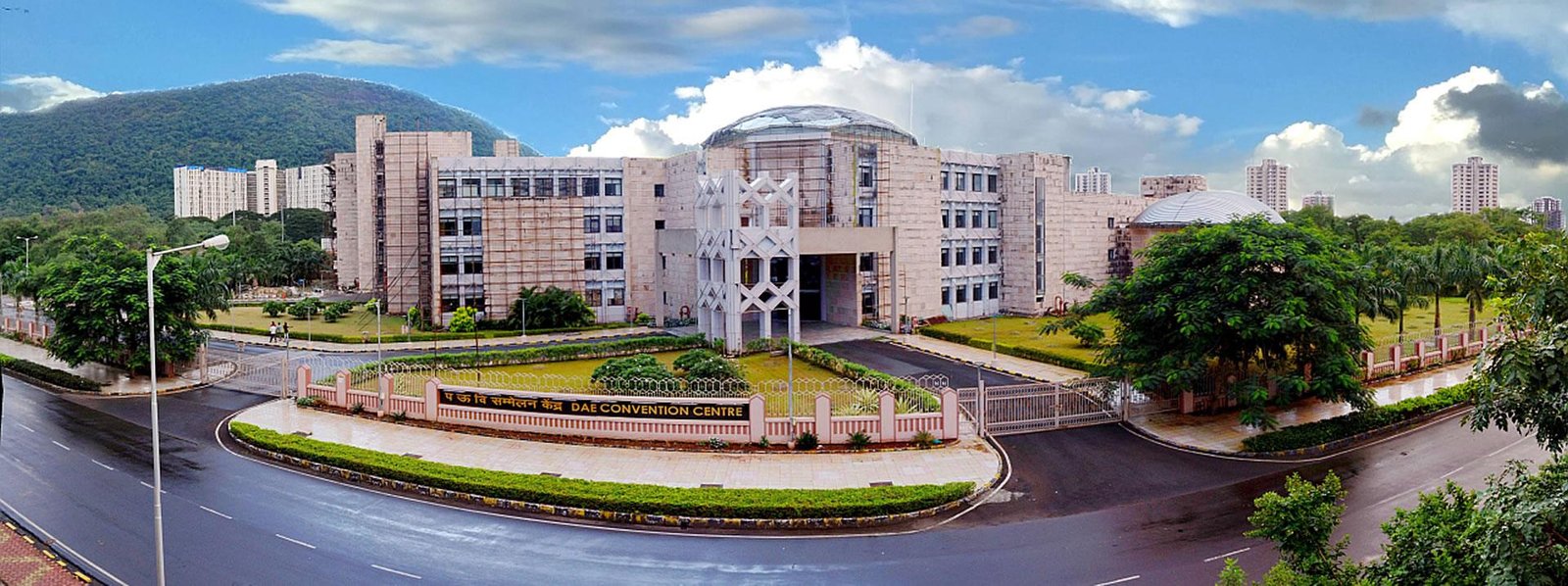
- Bhabha Atomic Research Centre (BARC) is India’s premier centre for nuclear research and development.
- It is located in Trombay, Mumbai, and functions under the Department of Atomic Energy (DAE).
- History:
- Homi J. Bhabha laid the foundation of India’s nuclear research programme.
- He established the Tata Institute of Fundamental Research (TIFR) in 1945 for advanced scientific research.
- In 1954, the Atomic Energy Establishment, Trombay (AEET) was set up for research supporting India’s nuclear programme.
- After Bhabha’s death in 1966, AEET was renamed Bhabha Atomic Research Centre (BARC).
- Legal Framework: BARC functions within the framework of the Atomic Energy Act, 1962, which gives the Central Government exclusive control over atomic minerals, fissile materials and nuclear research. It replaced the earlier Atomic Energy Act, 1948.
- Key Functions:
- Develops technologies for nuclear power generation.
- Designs and develops nuclear reactors and fuel-cycle technologies.
- Works on radiation safety and protection.
- Promotes the use of radioisotopes in healthcare, agriculture and industry.
- Conducts research in nuclear science and other advanced areas of science and technology.
- Provides education and training to scientists, engineers and technicians in nuclear technology.
- Significance: BARC serves as a major R&D base for India’s nuclear programme, supporting the development of nuclear energy, healthcare applications, agriculture, industry and strategic technologies.
- Recent developments: BARC is also involved in developing advanced nuclear reactor technologies, including systems intended for India’s next-generation nuclear-powered submarines.
FAQs
Q1. What is BARC and where is it located?
BARC is India’s premier nuclear research and development centre, located in Trombay, Mumbai, under the Department of Atomic Energy (DAE).
Q2. How did BARC originate?
Founded as the Atomic Energy Establishment, Trombay (AEET) in 1954 by Homi J. Bhabha; renamed BARC in 1966 after his death.
Q3. What legal framework governs BARC?
It operates under the Atomic Energy Act, 1962, which gives the Central Government exclusive control over atomic minerals, fissile materials, and nuclear research.
Q4. Why is BARC significant for India today?
It is the R&D backbone of India’s nuclear programme, supporting energy, healthcare, agriculture, industry, and strategic technologies, including next‑generation nuclear submarine systems.