Context
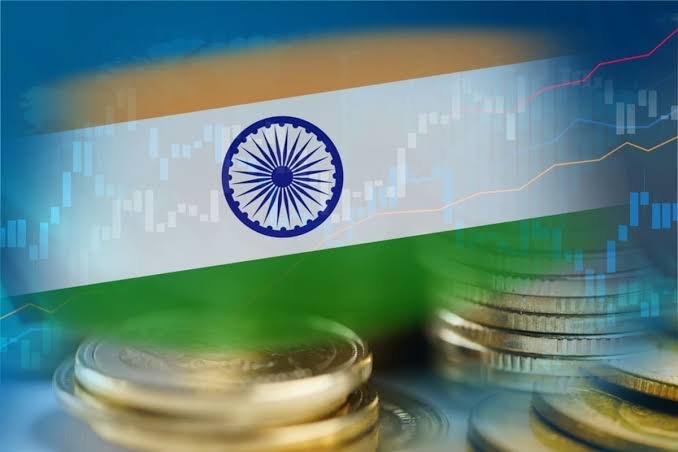
Recent analysis on India’s GDP growth highlights that higher output alone does not ensure better living standards. The focus is therefore shifting towards jobs, real wages, private investment and manufacturing to assess the quality and inclusiveness of growth.
Growth vs Development
| Aspect | Economic Growth | Economic Development |
| Meaning | Rise in economic output, mainly measured through GDP/GVA. | Broader improvement in living standards and human well-being. |
| Focus | Size and pace of the economy. | Quality and inclusiveness of growth. |
| Key indicators | GDP, GVA, investment and productivity. | Employment, real income, health, education, productivity and access to basic services. |
| Outcome | Higher production and income at the aggregate level. | Better living standards and wider distribution of economic opportunities. |
| Relationship |
Growth provides the economic base for development. |
Development requires growth to be inclusive, employment-generating and sustainable. |
Key Concerns
- Employment Gap: Youth unemployment (15–29 years): 16.2%; graduate unemployment is around 40–45%. This indicates a weak link between GDP growth and job creation.
- Weak Real Wages: Real wages reflect purchasing power after adjusting for inflation. They declined by up to5% for casual workers, while salaried workers saw weak growth.
- Low Private Investment: Gross Fixed Capital Formation (GFCF): ~33.5% of GDP; private corporate investment: only ~12%. Low private investment can constrain capacity, productivity and employment.
- Manufacturing Stagnation: Manufacturing’s GVA share remains around 24–26% despite Make in India, PLI and ASPIRE. A larger manufacturing base is needed for productive, large-scale employment.
- China Trade Dependence: India’s merchandise trade deficit with China was about $44 billion (April–July). High import dependence creates external vulnerability and weakens domestic manufacturing.
- Rupee–Forex Paradox: Despite strong foreign-exchange reserves, the rupee has depreciated nearly 5% against the US dollar since January. This highlights the limits of reserves in preventing currency pressures.
Growth Potential and Demographic Dividend
- Nominal GDP growth is estimated at around 2–9.6% Compound Annual Growth Rate (CAGR) across different base-year estimates, while India could potentially achieve nearly 12% nominal growth under favourable conditions.
- After adjusting for inflation, this implies around 7–8% real GDP growth.
- India’s demographic dividend offers a limited window for faster growth; therefore, the next 10–30 years are crucial for structural transformation before population ageing reduces this advantage.
Way Forward: Strengthening India’s Growth
- Create productive jobs: Expand labour-intensive manufacturing and services to link GDP growth with employment and wider income gains.
- Raise real incomes: Improve skills, productivity and technology adoption to support sustained wage growth and purchasing power.
- Revive private investment: Strengthen infrastructure, ease of doing business and demand conditions to expand productive capacity.
- Boost manufacturing: Improve PLI and Make in India implementation, competitiveness and domestic value addition.
- Reduce external dependence: Build domestic capacity and diversify export markets, especially in strategic sectors.
- Harness the demographic dividend: Invest in education, healthcare and skilling to convert India’s young workforce into a long-term growth advantage.
- Measure development broadly: Track employment, real wages, productivity and living standards alongside GDP.
FAQs
Q1. What is real wage?
Ans. Real wage is the purchasing power of income after adjusting for inflation. If wages rise slower than prices, real wages decline even when nominal wages increase.
Q2. What does jobless growth mean?
Ans. Jobless growth refers to a situation where economic output rises without a proportionate increase in employment.
Q3. What is the demographic dividend?
Ans. The demographic dividend is the potential economic benefit arising from a relatively large working-age population.
Q4. What is Gross Fixed Capital Formation (GFCF)?
Ans. GFCF measures investment in fixed assets such as machinery, buildings and infrastructure.
Q5. What is Compound Annual Growth Rate (CAGR)?
Ans. CAGR is the average annual rate at which a value grows over a given period, assuming compounding. It is useful for comparing long-term growth trends.