Context
A recent study involving mice and human patients suggests that atherosclerosis may meet the criteria of an autoimmune disease. This finding could broaden the understanding of how the immune system contributes to artery damage and plaque formation.
What are Autoimmune Diseases?
Autoimmune diseases occur when the immune system mistakenly attacks the body’s own healthy cells or tissues instead of protecting them from harmful organisms.
- Normally, the immune system identifies and fights foreign substances such as viruses and bacteria.
- In an autoimmune condition, this protective mechanism becomes misdirected and causes inflammation or damage to the body’s own tissues.
What is Atherosclerosis?
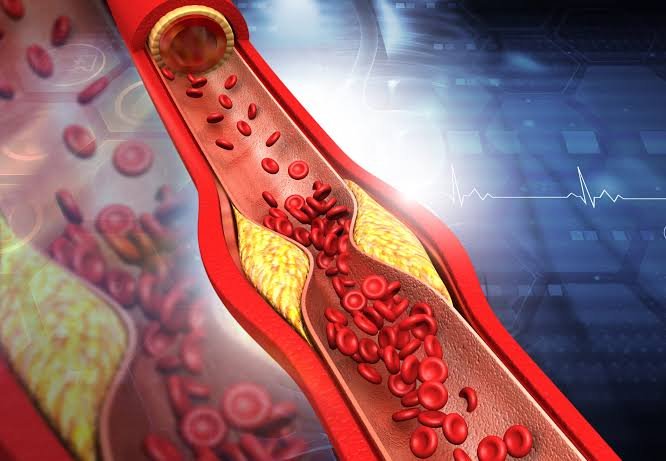
- Atherosclerosis is a condition in which plaque gradually accumulates inside the walls of arteries.
- Arteries carry oxygen-rich blood from the heart to different organs and tissues.
- The plaque consists of substances such as cholesterol, fats, blood cells and calcium.
- Over time, the plaque can harden and narrow the arteries, reducing the flow of oxygen-rich blood. It may affect arteries in different parts of the body.
- Atherosclerosis vs Arteriosclerosis:
- Arteriosclerosis is a broader term for arteries becoming thick, hard and less flexible due to various causes.
- Atherosclerosis is a specific and common form of arteriosclerosis caused by plaque accumulation.
What causes Atherosclerosis?
- Plaque formation can begin as early as childhood and generally becomes more pronounced with age. The exact cause is not completely understood, but major contributing factors include:
- Damage to artery walls
- Unhealthy lifestyle habits
- Certain medical conditions
- Genetic factors
- Possible autoimmune processes, according to recent research
- When the immune system reacts abnormally to components within arterial plaques, it may contribute to persistent inflammation and disease progression.
What are the types of Atherosclerosis?
The condition is classified according to the arteries affected:
- Coronary artery disease (CAD): Plaque develops in the arteries supplying the heart.
- Peripheral artery disease (PAD): Affects arteries carrying blood to the limbs, particularly the legs; arms and pelvis can also be affected.
- Carotid artery disease: Affects the neck arteries, reducing blood supply to the brain.
- Renal artery stenosis: Involves arteries supplying the kidneys.
- Vertebral artery disease: Affects arteries supplying the back portion of the brain.
- Mesenteric artery ischemia: Reduces blood supply to the intestines.
What are the symptoms and complications of Atherosclerosis?
- Atherosclerosis often remains silent in its early stages. Symptoms may appear only when an artery becomes severely narrowed or blocked. Common symptoms include:
- Chest pain (angina)
- Breathing difficulty
- Fatigue
- Confusion due to reduced blood flow to the brain
- Pain in the affected limb
- Muscle weakness
- Many people may discover the condition only after a serious event such as a heart attack or stroke.
- Complications: If a plaque ruptures, it can trigger the formation of a blood clot. The clot may completely block the artery or travel elsewhere, potentially causing:
- Heart attack
- Stroke
- Vascular dementia
- Loss of a limb
How is Atherosclerosis treated?
- Treatment focuses on slowing plaque buildup, improving blood flow and reducing the risk of complications.
- It generally involves:
- Adopting a heart-healthy lifestyle
- Taking appropriate medications to control risk factors and prevent complications
- Early management is important because the disease can progress silently for years before symptoms become apparent.
Conclusion
Atherosclerosis is traditionally understood as a plaque-related disease of the arteries, but emerging evidence suggests that autoimmune mechanisms may also play a role. Understanding this immune connection could open new avenues for prevention and treatment of cardiovascular disease.
FAQs
Q1. What is atherosclerosis?
A condition where plaque (cholesterol, fats, blood cells, calcium) builds up inside artery walls, narrowing them and reducing oxygen‑rich blood flow.
Q2. How is atherosclerosis different from arteriosclerosis?
Arteriosclerosis is a general term for hardened arteries; atherosclerosis is a specific form caused by plaque accumulation.
Q3. What causes atherosclerosis?
Factors include artery wall damage, unhealthy lifestyle, medical conditions, genetics, and—according to recent research—possible autoimmune processes.
Q4. What are the types of atherosclerosis?
Coronary artery disease, peripheral artery disease, carotid artery disease, renal artery stenosis, vertebral artery disease, and mesenteric artery ischemia.
Q5. Why is the autoimmune link significant?
It suggests the immune system may misdirect attacks against arterial components, fueling inflammation and plaque progression, opening new avenues for prevention and treatment.