Context
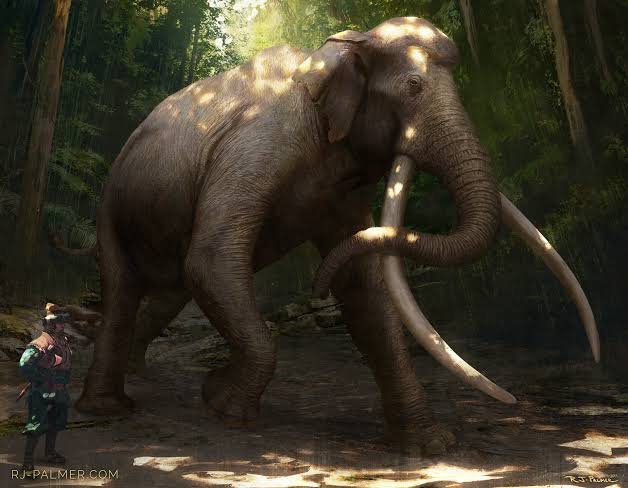
Researchers recently discovered a 75-cm-long fossilised jaw along the Narmada River in Madhya Pradesh, believed to belong to Palaeoloxodon namadicus, an extinct giant elephant species.
About Palaeoloxodon namadicus (Asian Straight-Tusked Elephant)
- Classification: An extinct species of straight-tusked elephant belonging to the order Proboscidea and family Elephantidae.
- Geological Period: Lived during the Pleistocene Epoch (roughly 2.6 million to 11,700 years ago, often called the Ice Age).
- Recent Discovery: A fossilised jawbone was discovered at Patai Ghat in Raisen district, Madhya Pradesh, close to the Narmada River.
- Fossil Distribution in India: Remains have been found across the Narmada and Godavari river basins, Ganga Valley (Uttar Pradesh), and Bankura (West Bengal) (named after the Narmada river — namadicus).
Key Features & Significance
- Massive Size: Ranked among the largest known land mammals to have ever lived on Earth (larger than modern African elephants).
- Physical Dimensions: Reached an estimated shoulder height of 4.5–5 metres and a body weight of 18–19 tonnes.
- Distinctive Tusks: Possessed long, relatively straight tusks, unlike the strongly curved tusks of woolly mammoths.
- Scientific Significance: Its fossils help scientists study India’s prehistoric biodiversity, elephant evolution, ancient river ecosystems, and past climate conditions during the Pleistocene Epoch.
FAQs
Q1. Where was its suspected fossil recently discovered?
Ans. Patai Ghat, Raisen district, Madhya Pradesh, along the Narmada River.
Q2. During which geological epoch did Palaeoloxodon namadicus live?
Ans. Pleistocene Epoch (approximately 2.6 million–11,700 years ago).
Q3. What is Proboscidea?
Ans. An order of mammals comprising modern elephants and extinct relatives such as mammoths and mastodons.