Context
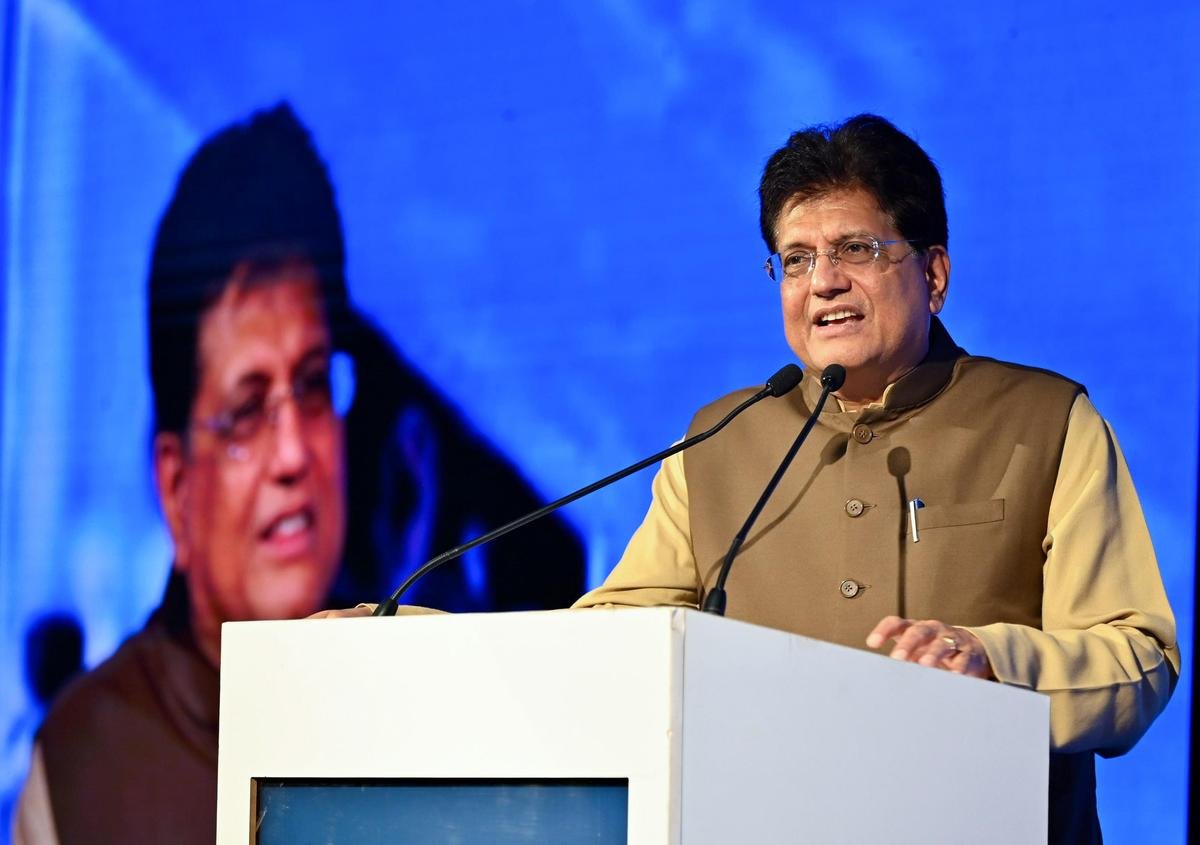
On 3 November 2026, Commerce and Industry Minister Piyush Goyal reiterated that India would continue protecting its dairy sector in trade negotiations and remain cautious on imports of genetically modified products. The issue brings together concerns of biotechnology, biosafety, farmer livelihoods and agricultural trade policy.
What are Genetically Modified Animals?
- Meaning: Genetically modified animals are those whose DNA has been deliberately altered using biotechnology to add, remove or change a specific trait, such as disease resistance, milk composition or heat tolerance.
- Difference from conventional breeding: Traditional breeding combines naturally occurring traits over several generations, whereas transgenesis and genome editing can make more targeted genetic changes at specific sites in the genome.
- Types of modification: Transgenesis introduces new genetic material into an animal, while genome-editing tools such as CRISPR can modify or deactivate selected genes, making intervention more precise though not automatically risk-free.
- Illustrative example – Rosie: The transgenic cow Rosie, reported in 1997, produced milk containing human alpha-lactalbumin, showing that biotechnology can alter the protein composition of milk for specialised purposes.
- Regulation in India: Genetically engineered organisms are governed by the Rules, 1989 under the Environment (Protection) Act, 1986; RCGM oversees research-related biosafety, while GEAC evaluates activities involving environmental release and large-scale use.
- Core principle: Scientific capability does not itself imply commercial approval; food safety, animal welfare, environmental impact and biosafety require separate assessment.
Potential Applications in the Dairy Sector
- Milk-quality modification: Genetic engineering can alter specific milk proteins, creating scope for specialised nutritional products, subject to safety and regulatory approval.
- Disease resistance: Gene editing may reduce susceptibility to livestock diseases, potentially lowering animal losses and dependence on veterinary interventions.
- Heat tolerance: Genetic traits linked with better thermoregulation can improve resilience to heat stress, helping sustain productivity under rising temperatures.
- Feed efficiency: Genetic improvement can target animals that convert feed into milk more efficiently, reducing production costs and resource pressure.
- Methane reduction: Gene-based approaches are being explored to reduce enteric methane intensity, but this remains largely research-oriented rather than an established commercial application.
Why India’s Dairy Sector is Sensitive
- Livelihood dependence: Dairy supports over 8 crore rural households, so sudden exposure to highly competitive imports could affect the incomes of small producers.
- Women-led activity: Women form a major share of the dairy workforce, making the sector important for rural female employment and household income security.
- Food-security role: India contributes about one-fourth of global milk production, making dairy central to nutrition, rural demand and agricultural stability.
- Small-producer structure: Indian dairying is dominated by small and marginal producers, who generally have limited capacity to absorb sharp price shocks.
Policy Significance
- Livelihood protection: Keeping dairy sensitive in trade negotiations can provide adjustment space to millions of small producers facing import competition.
- Biosafety governance: GM organisms require scientific assessment of food, feed, environmental and animal-welfare risks before wider commercial use.
- Domestic competitiveness: White Revolution 2.0 seeks to expand and strengthen dairy cooperatives, improving procurement, aggregation and farmer bargaining power.
- Innovation with safeguards: India can continue research in animal biotechnology while maintaining separate approval requirements for commercial release and imports, balancing scientific innovation with biosafety and livelihood concerns.
FAQs
Q1. What is a genetically modified animal?
An animal whose DNA has been deliberately altered using biotechnology.
Q2. How is genetic modification different from conventional breeding?
It enables more targeted changes in specific genes, unlike multi-generation trait selection.
Q3. What was special about Rosie the cow?
She produced milk containing human alpha-lactalbumin.
Q4. Which framework regulates genetically engineered organisms in India?
The Rules, 1989 under the Environment (Protection) Act, 1986.
Q5. What is the core policy challenge?
Balancing biotechnology innovation, biosafety, farmer livelihoods and trade interests.