Context
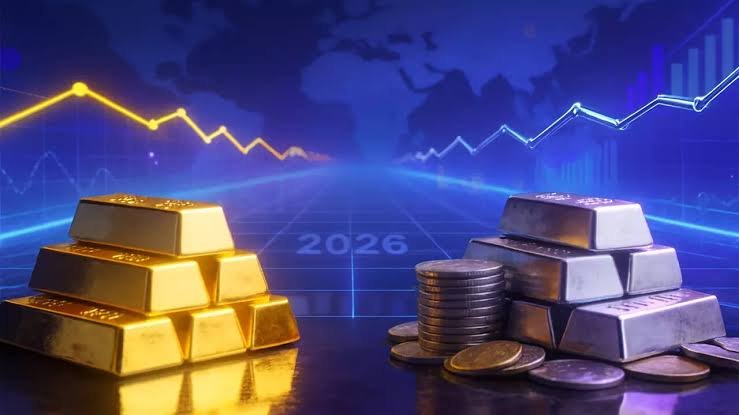
Gold recorded its worst October since 2008, briefly falling below $4,000 per ounce, while silver declined around 18%, dropping below $50. Both metals partially recovered in early November due to bargain buying and softer oil prices, with further movements influenced by US policy and global risks.
Factors Driving the Fall in Gold & Silver Prices
- US Interest Rates & Yields: Higher oil prices sparked inflation fears, raising expectations of higher US Federal Reserve interest rates; rising bond yields increase the opportunity cost of holding non-yielding gold.
- Stronger US Dollar: A rising US Dollar (USD) makes gold costlier for foreign buyers, directly reducing global demand.
- Reduced Safe-Haven Demand: Progress in geopolitical talks (e.g., US–Iran) eased market uncertainty, lowering gold’s appeal as a safe-haven asset.
- ETF Outflows & Profit Booking: Outflows from major gold ETFs (Exchange-Traded Funds) like GLD (~$1.8 billion) occurred as investors sold off to lock in profits after a sharp rally.
- Divergence from 2008 Crisis: Unlike the 2008 Global Financial Crisis drop caused by cash squeezes, this fall was driven by interest rate expectations and profit booking.
- Silver’s Industrial Role & Volatility: Silver fell faster due to its dual role as a precious metal and an industrial input (used in solar panels and electronics); tech sell-offs hit industrial demand, while its smaller market size drives higher price volatility.
Impact of Gold Price Fluctuations on India
- Import Bill & Foreign Exchange: India is a top gold importer ($71.98 billion in FY26). Lower prices reduce dollar outflows and help lower the CAD (Current Account Deficit), though rising crude oil prices can offset this benefit.
- RBI Forex Reserves: RBI (Reserve Bank of India) holds ~880 tonnes of gold (16–17% of total forex reserves) to diversify reserves with zero counterparty risk; falling prices lower their reported market valuation.
- Households & Jewellery: Cheaper gold increases affordability during wedding/festive seasons, but buyers may delay purchases if they expect prices to drop further.
- Gold Loans & Lenders: Falling prices reduce the collateral value of pledged gold, increasing risks for banks and triggering margin calls for borrowers.
- SGB (Sovereign Gold Bond) Investors: Lower market prices decrease the redemption value for investors (the government has also stopped issuing new SGB tranches).
- Policy Actions: Government measures include adjusting import duty and curbing non-essential gold buying to protect foreign exchange reserves.
FAQs
Q1. How do higher US interest rates affect gold prices?
Ans. Higher interest rates make interest-bearing assets more attractive, increasing the opportunity cost of holding gold.
Q2. Why does a stronger dollar lower gold prices?
Ans. It makes dollar-priced gold more expensive for buyers using other currencies, reducing demand.
Q3. How do lower gold prices help India’s external sector?
Ans. They reduce the gold import bill, easing pressure on the current account deficit (CAD) and the rupee, if import volumes remain unchanged.
Q4. How are gold loan borrowers affected by falling prices?
Ans. Falling gold prices reduce collateral value and may require borrowers to provide additional collateral or repay part of the loan.
Q5. How are Sovereign Gold Bond returns determined?
Ans. Redemption value is linked to the prevailing gold price, so falling prices reduce the redemption value.