Context
The Madras High Court has ordered the immediate closure of 87 resorts operating in Sathyamangalam Tiger Reserve without obtaining the required planning permission or building approval from the Directorate of Town and Country Planning (DTCP). The development highlights concerns regarding unauthorised construction and regulation of activities around ecologically sensitive areas.
About Sathyamangalam Tiger Reserve
- Location: Situated in the state of Tamil Nadu.
- Geographical Significance: Located at the junction of the Eastern and Western Ghats and forms part of the Nilgiri Biosphere Reserve.
- Connectivity with Other Protected Areas: It is contiguous with Mudumalai Tiger Reserve (Tamil Nadu), Bandipur Tiger Reserve (Karnataka) and Biligiri Rangaswamy (BR) Tiger Reserve and Wildlife Sanctuary (Karnataka).
- Terrain: Characterised by hilly and undulating landscapes, with elevations ranging from 750 metres to 1,649 metres.
- Climate: Mainly subtropical and dry.
- Rivers: Important rivers flowing through the region include the Bhavani, Moyar and Noyyal.
- Tribal Communities: Home to indigenous communities such as the Irula and Kurumba tribes.
- Major Forest Types: Southern tropical dry thorn forests, Mixed deciduous forests, Semi-evergreen forests and Riparian forests (forests found along riverbanks).
- Important Flora: The reserve contains teak, sandalwood, bamboo, Terminalia and Albizia, along with various medicinal plants and shrubs that support wildlife and local communities.
- Major Fauna: Important wildlife species found in the reserve include:
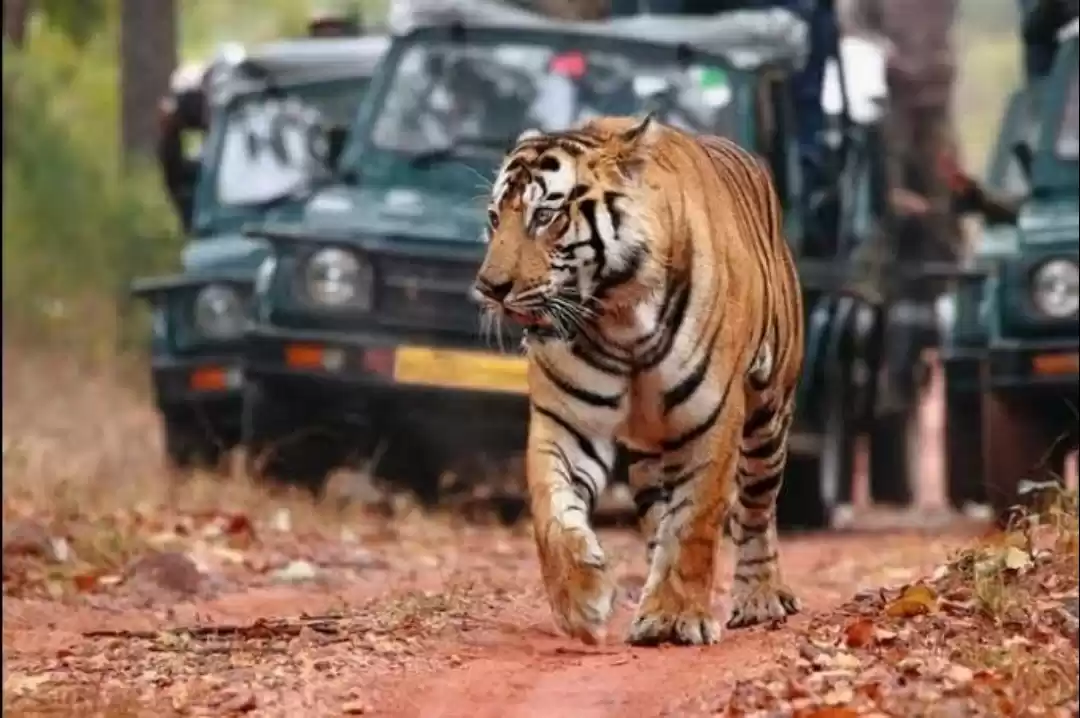
- Large mammals: Elephant, tiger, leopard (panther), sloth bear and gaur.
- Herbivores: Blackbuck, spotted deer and wild boar.
- Other mammals: Black-naped hare, common langur, Nilgiri langur, striped-necked mongoose and bonnet macaque.
Ecological Significance
- Wildlife Connectivity: Its location between the Eastern and Western Ghats and connection with neighbouring tiger reserves supports wildlife movement across protected areas.
- Biodiversity: Its diverse forest types provide habitats for several species of plants and animals.
- Livelihood Support: Forest resources and biodiversity are important for indigenous communities living in the region.
Conclusion
Sathyamangalam Tiger Reserve is an important wildlife habitat and ecological link between the Eastern and Western Ghats. Regulating unauthorised construction and tourism activities is essential to protect its biodiversity and maintain ecological connectivity.
Frequently Asked Questions (FAQs)
Q1. Where is Sathyamangalam Tiger Reserve located, and what is its geographical significance?
Located in Tamil Nadu, it lies at the junction of the Eastern and Western Ghats and forms part of the Nilgiri Biosphere Reserve, supporting wildlife connectivity between neighbouring protected areas.
Q2. Which protected areas are connected to Sathyamangalam Tiger Reserve?
It is contiguous with Mudumalai Tiger Reserve in Tamil Nadu, Bandipur Tiger Reserve and Biligiri Rangaswamy Tiger Reserve and Wildlife Sanctuary in Karnataka, facilitating wildlife movement across these areas.
Q3. What are the major forest types and rivers found in the reserve?
The reserve contains dry thorn, mixed deciduous, semi-evergreen and riparian forests. Important rivers flowing through the region include the Bhavani, Moyar and Noyyal.
Q4. Which important wildlife species are found in Sathyamangalam Tiger Reserve?
Major fauna include elephants, tigers, leopards, sloth bears, gaurs, blackbucks, spotted deer and wild boars. It also supports species such as Nilgiri langurs and bonnet macaques.
Q5. Why is Sathyamangalam Tiger Reserve ecologically important?
Its diverse forests support rich biodiversity, while its location connects protected areas across the Eastern and Western Ghats. It also supports the livelihoods of indigenous communities such as Irula and Kurumba.