Context
Fishing activities and the movement of mechanised boats have been prohibited in designated coastal stretches of Odisha for seven months to protect Olive Ridley sea turtles.
About Olive Ridley Turtle
- It is the smallest and most abundant species of sea turtle in the world.
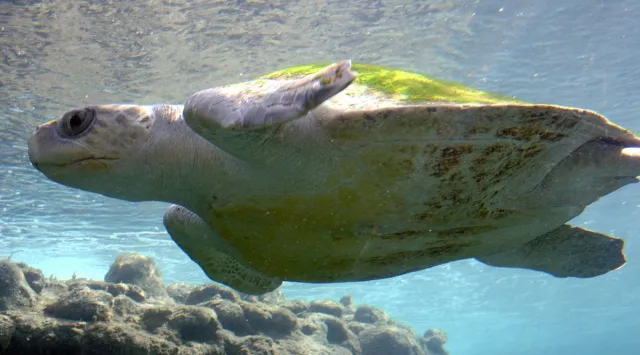
- It gets its name from the olive-green colour of its carapace (shell).
- It is famous for a mass-nesting phenomenon called Arribada, in which thousands of female turtles gather on the same beach to lay eggs.
Distribution
- Olive Ridley turtles are mainly found in the warm waters of the Pacific, Atlantic and Indian Oceans.
- Gahirmatha Marine Sanctuary in Odisha is recognised as the world’s largest rookery (breeding colony) of sea turtles.
Key Features
- Nature: Generally solitary and prefer living in the open ocean.
- Diet: Omnivorous, feeding on both plants and animals.
- Migration: They spend their entire lives in the ocean and travel thousands of kilometres annually between feeding and mating grounds.
Conservation Status
- IUCN Red List – Vulnerable
- CITES – Appendix I
- Wildlife (Protection) Act, 1972 – Schedule I
Frequently Asked Questions (FAQs)
Q1. Why is the Olive Ridley turtle named so?
It gets its name from the olive-green colour of its carapace (shell). It is the world’s smallest and most abundant species of sea turtle.
Q2. What is Arribada?
Arribada is a mass-nesting phenomenon in which thousands of female Olive Ridley turtles gather on the same beach to lay their eggs simultaneously.
Q3. Where are Olive Ridley turtles found?
They are mainly found in the warm waters of the Pacific, Atlantic and Indian Oceans. Gahirmatha Marine Sanctuary in Odisha is the world’s largest sea turtle rookery.
Q4. What is the conservation status of Olive Ridley turtles?
The IUCN Red List classifies them as Vulnerable. They are also listed under Appendix I of CITES and Schedule I of the Wildlife (Protection) Act, 1972.