Context
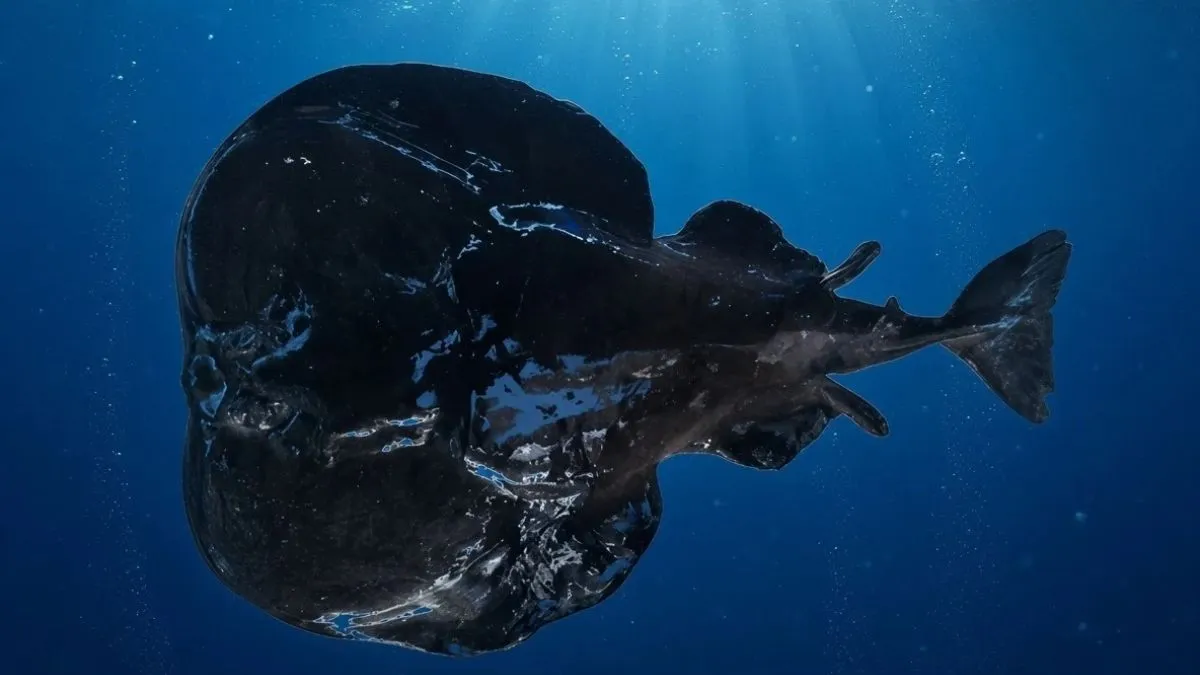
The Zoological Survey of India (ZSI) has reported the discovery of a new electric ray species in the south-eastern Arabian Sea under the Deep Ocean Mission.
About the Species
- Scientific name: Tetronarce ramanamurthyi.
- Species Type: Newly discovered deep-sea cartilaginous fish.
- Electric Ray Family: Belongs to Torpedinidae (true electric rays), which use modified muscle cells to generate bio-electricity for defense and hunting.
- Discovery Location: Collected from deep waters off India’s south-western coast (southeastern Arabian Sea).
- Etymology: Named after Dr. V. Ramana Murthy, Mission Director of India’s Deep Ocean Mission.
- Research Team: Identified by scientists from the Zoological Survey of India (ZSI) alongside international marine institutes.
Key Features
- Physical Characteristics: Dark bluish-black to brown upper body with a lighter underside and a wide body disc housing kidney-shaped electric organs.
- Distinguishing Markings: Lacks skin bumps around its spiracles (breathing openings behind the eyes), distinguishing it from related species.
- Genetic Lineage: Mitochondrial DNA testing confirms it as a distinct, newly identified species.
Significance
- Regional Discovery: Marks the first confirmed record of the genus Tetronarce in the northern Indian Ocean.
- Deep-Sea Biodiversity: Underscores significant knowledge gaps in India’s deep-sea marine ecosystems.
- Conservation Baseline: Establishes critical baseline data for assessing species distribution and threats.
Electric Rays: Basic Facts
- Taxonomic Group: Cartilaginous fishes (related to sharks and skates).
- Body Form: Flat, disc-shaped body with broad pectoral fins fused to the head.
- Electric Organs: Derived from modified muscle cells capable of generating high-voltage electric discharges.
- Functional Role: Produces electric shocks to stun prey and defend against predators.
- Ecological Position: Functions as mesopredators (mid-tier predators) in coastal and deep-sea food webs.
- Habitat & Distribution: Distributed across tropical, subtropical, and temperate waters, ranging from shallow reefs to the deep ocean floor.
FAQs
Q1. Which family does the Arabian Black Electric Ray belong to?
Ans. It belongs to the family Torpedinidae, which includes true electric rays.
Q2. What are cartilaginous fishes?
Ans. They are fishes of the class Chondrichthyes, such as sharks, rays and skates, have skeletons made of cartilage rather than bone.
Q3. How do electric rays produce electricity, and why?
Ans. Modified muscle cells in their electric organs generate shocks to stun prey and deter predators.