Context
- The 2026 Nobel Prize in Physiology or Medicine was awarded jointly to Karl Deisseroth, Peter Hegemann and Georg Nagel for discoveries concerning light-gated ion channels and optogenetics.
Nobel-Winning Discovery
- Peter Hegemann and Georg Nagel studied light-sensitive proteins called channelrhodopsins in the green alga Chlamydomonas.
- They showed that these proteins act like tiny light-controlled gates in the cell membrane.
- When light falls on them, they open and allow charged particles called ions to move across the membrane.
- Karl Deisseroth later used these proteins in nerve cells and showed that light could control selected neurons.
- This work laid the foundation of optogenetics.
How Optogenetics Works
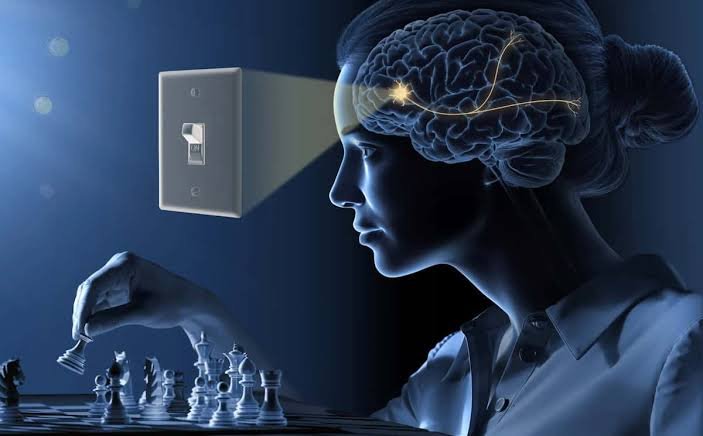
- Optogenetics combines genetic engineering and light to control specific cells, mainly neurons.
- Scientists insert genes that make light-sensitive proteins called opsins inside selected nerve cells.
- When light of a particular wavelength reaches these proteins, they open or close tiny channels in the cell membrane.
- This changes the electrical activity of the neuron and can switch it on or off.
- Researchers can therefore study which nerve cells are responsible for a particular behaviour or body function.
Challenges
- Safe gene delivery: The required genes must be introduced into the correct cells without causing harm.
- Light delivery: Reaching deep parts of the brain with light is technically difficult.
- Long-term safety: The effects of repeated light stimulation and genetic modification need further study.
- Human use: Larger clinical trials and regulatory approval are needed before widespread medical application.
Significance
- Optogenetics allows scientists to move from merely observing brain activity to actively controlling specific neural circuits.
- It helps establish a direct link between a particular neuron or circuit and a specific behaviour.
- The technique has made neuroscience more precise than methods that stimulate large areas of the brain.
- It also shows how a discovery in a simple alga can lead to major advances in biomedical science and precision medicine.
Applications
- Optogenetics helps scientists study brain circuits involved in memory, fear, reward, sleep, pain, feeding and social behaviour.
- It is being used to understand disorders such as Parkinson’s disease, epilepsy, depression, schizophrenia and Alzheimer’s disease.
- Experimental optogenetic therapy has shown potential for partially restoring vision in some retinal disorders.
- Researchers are also studying its possible use in hearing restoration, pain control and targeted neurological treatments.
- Most of these medical applications are still experimental and are not yet routine treatments.
FAQs
Q1. What is optogenetics?
It is a technique that uses light-sensitive proteins to control selected cells, especially neurons.
Q2. Who received the 2026 Nobel Prize in Medicine for optogenetics?
Karl Deisseroth, Peter Hegemann and Georg Nagel.
Q3. What are channelrhodopsins?
They are light-sensitive proteins that act as ion channels in the cell membrane.
Q4. Why is optogenetics important?
It allows scientists to switch specific neurons on or off and study their exact functions.
Q5. Are optogenetic treatments widely available?
No. Most medical applications are still experimental and under clinical study.