Context
Two captive-bred male Great Indian Bustards (GIBs) were released into the wild at Sam, Desert National Park, Jaisalmer, Rajasthan, under India’s GIB Recovery Programme, marking a shift from captive breeding to rewilding.
About Desert National Park
- Location: Located in the Thar Desert across Jaisalmer and Barmer districts of Rajasthan.
- Area: Covers about 3,162 sq. km, making it one of India’s largest national parks.
- Landscape & Climate: Features sand dunes, open grasslands, thorny scrub and dry lake beds in an extremely hot and arid climate with very low rainfall.
- Geological Significance: Contains fossils dating to the Jurassic Period.
- Flora: Includes sewan grass, aak, khejri, dhok, ronj and salai. Khejri (Prosopis cineraria) is culturally important to local communities, particularly the Bishnois.
- Water Bodies: Major lakes include Rajbaugh, Malik Talao and Padam Talao.
- Human Habitation: The park has villages and traditional settlements, including communities such as the Bishnois.
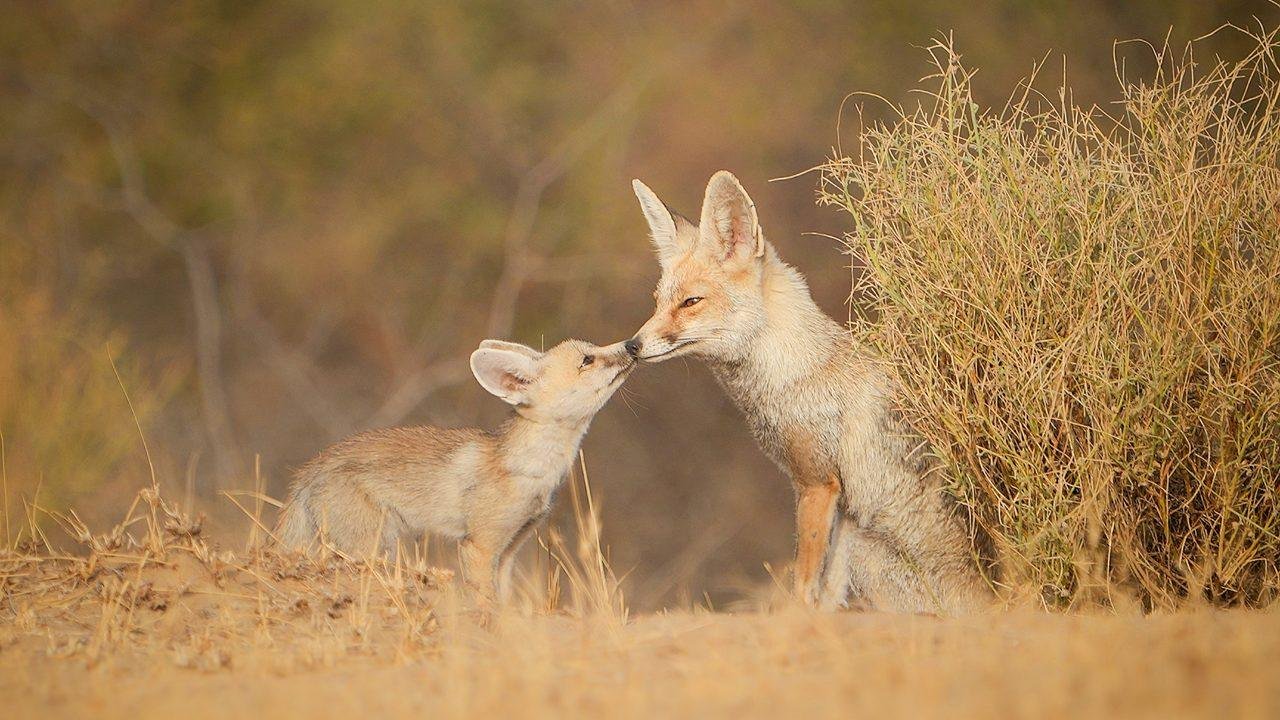
- Fauna: It is a key habitat and stronghold of the critically endangered Great Indian Bustard (Godawan), the state bird of Rajasthan. Other species include chinkara, desert fox, desert cat, Indian wolf, monitor lizard and spiny-tailed lizard.
FAQs
Q1. Where is Desert National Park located?
Ans: It is located in the Thar Desert across Jaisalmer and Barmer districts of Rajasthan.
Q2. What is the area of Desert National Park?
Ans: It covers about 3,162 sq. km.
Q3. Which important species is associated with Desert National Park?
Ans: The Great Indian Bustard (Ardeotis nigriceps) is its flagship conservation species.
Q4. Which lakes are found in Desert National Park?
Ans: The major lakes include Rajbaugh Lake, Malik Talao and Padam Talao.