Context
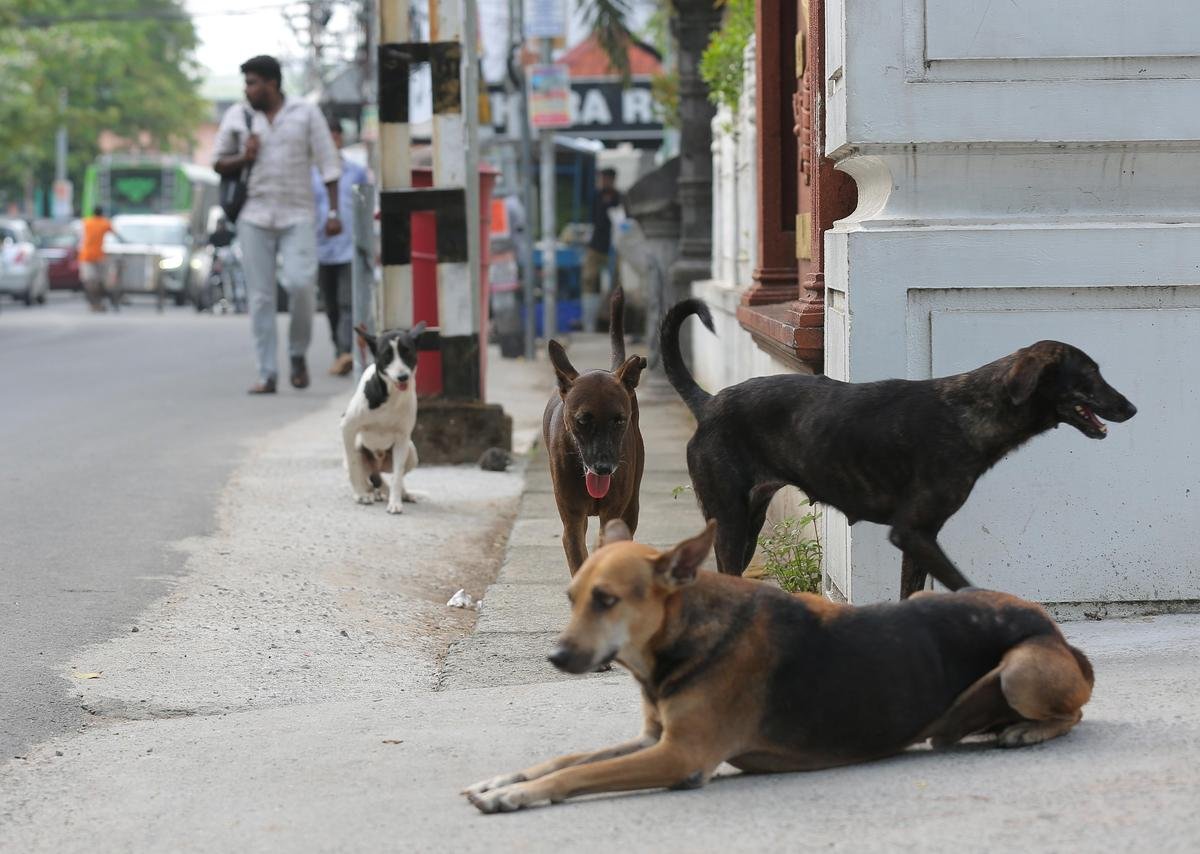
- Rabies is again in focus due to widely differing estimates of rabies deaths in India, alongside continued concern over dog-mediated transmission and gaps in surveillance and post-exposure care.
Rabies: Cause and Transmission
- Rabies is a vaccine-preventable zoonotic viral disease that affects the central nervous system.
- It spreads through the saliva of an infected mammal, usually through bites, scratches or contact with broken skin or mucous membranes.
- Dogs are the major source of human rabies transmission, although bats, foxes, jackals and other mammals can also transmit the virus.
- Birds and reptiles are not considered usual rabies reservoirs.
Clinical Features
- Early symptoms may include fever, weakness, pain and tingling at the exposure site.
- As the infection progresses, patients may develop anxiety, confusion, agitation, hallucinations, hydrophobia and paralysis.
- Hydrophobia occurs because attempts to swallow liquids can trigger painful involuntary throat spasms.
- Once clinical symptoms appear, rabies is almost invariably fatal, making prevention before symptom onset critical.
Post-Exposure Prevention
- Any suspected exposure should be followed by immediate wound washing with soap and running water for at least 15 minutes.
- Category II exposure generally requires anti-rabies vaccination.
- Category III exposure requires wound care and vaccination; Rabies Immunoglobulin (RIG) is additionally indicated for previously unvaccinated persons.
- RIG provides immediate passive antibodies, while the vaccine develops active immunity.
- Prompt and complete post-exposure prophylaxis (PEP) can prevent rabies if given before clinical symptoms begin.
India’s Rabies Control Challenge
- Different estimates of rabies mortality point to under-reporting, surveillance gaps and differences in data-collection systems.
- Continued human deaths also reflect challenges in dog vaccination, dog-population management and timely access to vaccines and RIG.
- Rabies control requires a One Health approach, integrating human health services, veterinary systems and local governance.
- Key priorities include mass dog vaccination, reliable PEP availability, bite surveillance and public awareness.
- India’s long-term objective is aligned with the global goal of zero human deaths from dog-mediated rabies by 2030.
FAQs
Q1. What causes rabies?
Rabies is caused by the rabies virus.
Q2. Which system of the body is mainly affected?
It primarily affects the central nervous system.
Q3. What causes hydrophobia in rabies?
Attempts to swallow liquids trigger painful involuntary throat spasms.
Q4. When is Rabies Immunoglobulin required?
It is generally indicated for Category III exposure in previously unvaccinated persons.
Q5. What is the most important public-health strategy against rabies?
Mass dog vaccination, prompt PEP and One Health surveillance are central to rabies elimination.