Context
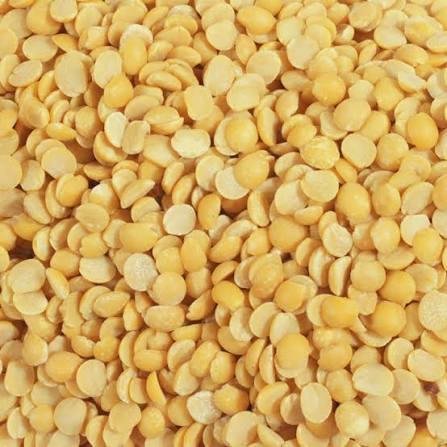
Gulbarga Tur Dal, a GI-recognised pulse from Karnataka’s Kalaburagi region, has recently entered the Maldives market, with Agricultural and Processed Food Products Export Development Authority (APEDA) facilitating the export of a 1-metric-tonne consignment.
About Gulbarga Tur Dal
- Origin: Produced in the Kalaburagi region of Karnataka, often called the “Gold of North Karnataka”.
- GI Status: Received Geographical Indication (GI) registration in 2019.
- Significance: Known for its distinctive taste and quality and contributes to the region’s agricultural economy.
Key Facts about Tur Dal
- Crop: Tur dal or pigeon pea (Cajanus cajan) is a legume and major pulse crop.
- Growing Areas: Mainly cultivated in tropical and semi-arid regions, often as an intercrop.
- Climate: Requires 600–650 mm rainfall and temperatures of 26–30°C during the rainy season and 17–22°C after the monsoon. It needs moisture during early growth and dry weather during flowering and pod formation. It is sensitive to low sunlight during pod formation.
- Soil: Grows well in well-drained black cotton soils with pH 7.0–8.5.
- Diseases: Major diseases include Wilt, Sterility Mosaic Disease, Phytophthora blight, Alternaria blight and Powdery mildew.
- Production: Uttar Pradesh is the leading producer. Other major producing states include Madhya Pradesh, Maharashtra, Karnataka, Gujarat and Jharkhand.
- Trade: Mozambique is a major exporter of pigeon pea to India; India also imports it from Myanmar and Malawi.
- Variety: Indian Council of Agricultural Research (ICAR) has developed India’s first fully annotated telomere-to-telomere (T2T) reference genome of pigeonpea variety ‘Asha’.
- Nutrients: It has low glycaemic index and rich in protein, iron, calcium, zinc, magnesium, folate and B-group vitamins.
FAQs
Q1. Where is Gulbarga Tur Dal associated with?
Ans: It is associated with the Kalaburagi region of Karnataka.
Q2. When did Gulbarga Tur Dal receive GI registration?
Ans: It received GI registration in 2019.
Q3. What type of crop is pigeon pea?
Ans: It is a leguminous pulse crop, mainly cultivated in tropical and semi-arid regions.