Context
- Global sulphur prices have risen sharply amid supply-chain disruptions associated with ongoing conflicts in West Asia and Russia-Ukraine.
- This has implications for India because sulphur is a critical input in producing phosphatic fertilisers, including DAP, SSP and complex NPK fertilisers.
- India’s dependence on imported sulphur and other fertiliser raw materials makes domestic fertiliser production sensitive to global price, energy and logistics shocks.
About Sulphur
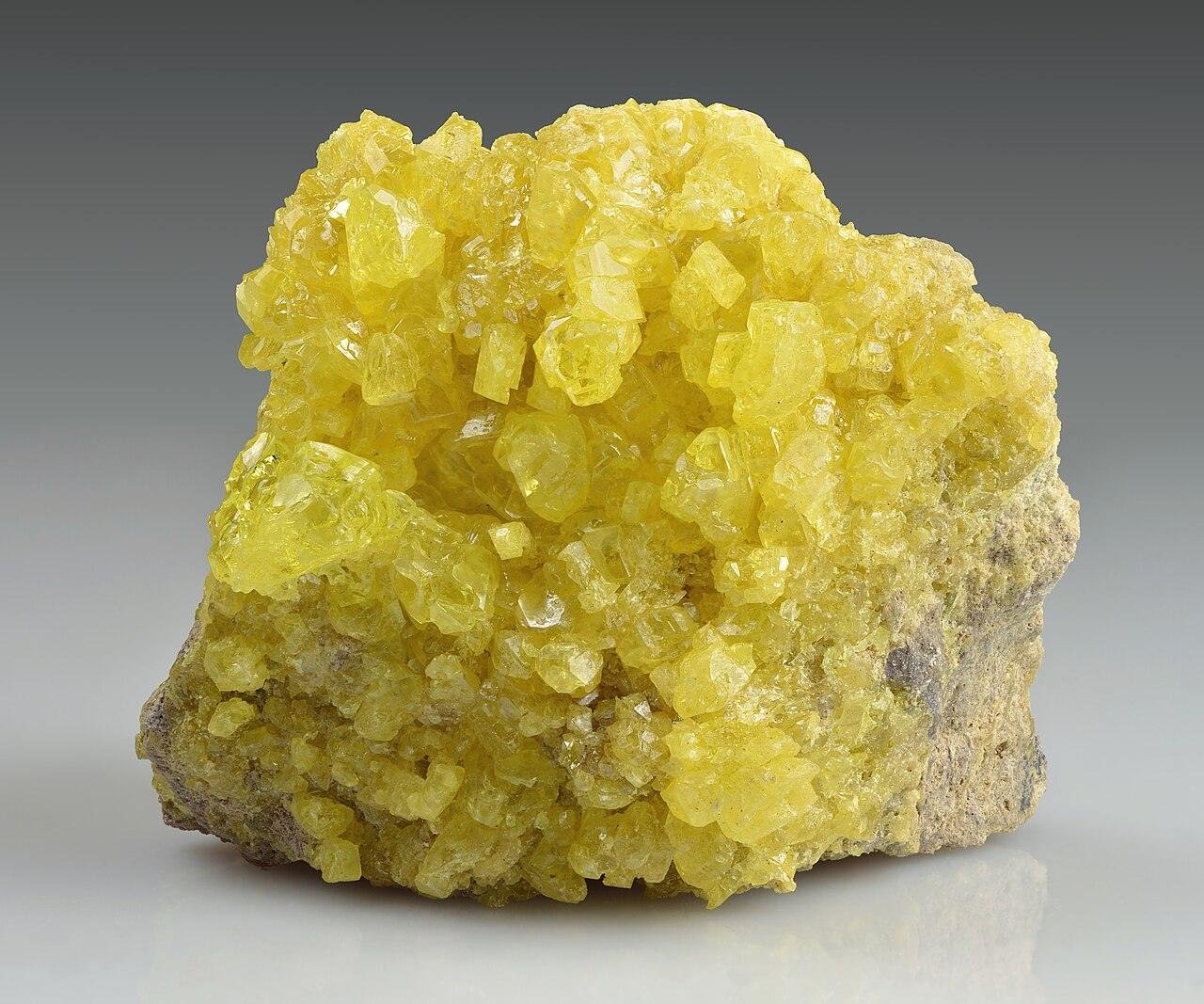
- Sulphur (S) is a naturally occurring non-metallic chemical element widely used as an industrial raw material.
- It occurs in nature in elemental form and as sulphide and sulphate minerals.
- In its pure form, sulphur is a pale-yellow, brittle and odourless solid that is insoluble in water and a poor conductor of electricity.
- A large share of commercial sulphur is recovered as a by-product of crude-oil refining and natural-gas processing, closely linking its supply with the global energy industry.
- In India, sulphur occurrences are associated with areas such as Puga Valley in Ladakh and certain volcanic and geothermal regions, but domestic production is insufficient to meet industrial requirements.
Why is Sulphur Important for Fertilisers?
- Sulphuric acid: Sulphur is primarily converted into sulphuric acid (H₂SO₄), a major industrial chemical.
- DAP and complex fertilisers: Sulphuric acid is used to process phosphate rock into phosphoric acid, which is an important intermediate for producing DAP and complex phosphatic fertilisers.
- SSP: Sulphuric acid reacts directly with phosphate rock in the manufacture of Single Super Phosphate.
Why Have Sulphur Prices Increased?
- Energy disruptions: Since much commercial sulphur is recovered during oil and gas processing, disruption of refineries and energy infrastructure can reduce its availability.
- Geopolitical tensions: Conflicts involving Russia and West Asia can disrupt production, shipping routes and international trade in Sulphur and fertilizer raw materials.
- Rising industrial demand: Sulphur is also required by chemical, mineral-processing and emerging critical-mineral industries, adding pressure to global demand.
Significance for India
- Import dependence: Reliance on overseas supplies exposes India’s fertiliser industry to external price and supply shocks.
- Production costs: Expensive sulphur raises the cost of producing sulphuric acid and phosphatic fertilisers, creating pressure across the fertiliser value chain.
- Fiscal implications: Since fertilisers such as DAP are supported through government subsidy mechanisms, higher international input prices can increase the fertiliser subsidy burden.
- Food security: Persistent disruption in fertiliser supply chains can affect nutrient availability, farm input costs and agricultural productivity.
The episode therefore illustrates how energy geopolitics can transmit into fertiliser security and ultimately agricultural security.
Other Major Uses of Sulphur
- Industrial uses: Sulphuric acid is used in petroleum refining, mineral processing, chemical manufacturing and wastewater treatment.
- Other applications: Sulphur and its compounds are used in rubber vulcanisation, fungicides, detergents, pharmaceuticals and agrichemicals.
FAQs
Q1. What is sulphur?
Sulphur (S) is a naturally occurring non-metallic chemical element.
Q2. How is most commercial sulphur obtained?
A large share is recovered as a by-product of oil refining and natural-gas processing.
Q3. Why is sulphur important for DAP production?
It is used to make sulphuric acid, which helps produce phosphoric acid required for DAP.
Q4. Which fertilisers are particularly linked with sulphur?
Sulphur is important in the production chain of DAP, SSP and complex phosphatic fertilisers.
Q5. Where is sulphur found in India?
Sulphur occurrences are associated with areas such as Puga Valley in Ladakh and some volcanic/geothermal regions.